Exporters face billions of dollars in stranded goods and job threats as the Pak-Afghan border closure drags into its second month, disrupting a $1 billion annual trade amid heightened security tensions.
Pak-Afghan Border Closure Strands Billions in Goods
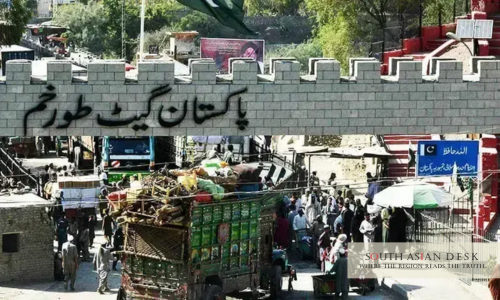
Pakistan closed all border crossings with Afghanistan on October 12, 2025. The Pak-Afghan border closure stems from security concerns after clashes. It affects Torkham, Chaman, and other points. Nearly two months later, trade remains halted. Exporters report daily losses of over $4 million due to border closures. Stranded cargo includes textiles, cement, and pharmaceuticals worth billions of rupees. The move impacts Khyber Pakhtunkhwa hardest. It threatens thousands of jobs in export sectors.
The closure halted both bilateral and transit trade. Over 1,000 containers wait at borders. Perishables like kinnow rot. Medicines risk expiry. Transporters pay $150-200 per vehicle in demurrage. Officials cite militant threats as the reason. No reopening timeline exists. This follows the expulsions of Afghan nationals.
Bilateral trade volume decreased to $1 billion in 2025, down from $2.5 billion in the previous year. Pakistan exports $187 million in medicines yearly to Afghanistan. Informal flows triple that. Cement firms like Cherat and Fauji lose key markets. Coal imports from Afghanistan stopped. Prices rose to PKR 42,000-45,000 per tonne.
Exporters’ Pak-Afghan Border Loss Mounts Rapidly
Exporters, the loss at the Pak-Afghan border hits multiple sectors. Construction materials lead with $500 million in annual exports. Rice, corn, and machinery follow. Auto parts and appliances stand too. Raw materials for Afghan feed mills are idle. KP Industries relies on Afghan coal for power.
Ziaul Haq Sarhadi, Senior Vice President of Pak-Afghan Joint Chamber of Commerce and Industry, warned of market erosion. “Country rapidly losing Afghan and Central Asian markets,” Sarhadi said. He urged 100% relief on detention charges. Persistent drop hurts national revenue. Recovery seems hard.
Zahidullah Shinwari, the former President of the Sarhad Chamber of Commerce and Industry, highlighted that there was no prior notice. “Difficult to recapture markets as flooded with Iranian and Indian products,” Shinwari stated. Thousands face job losses. Industrial laborers in KP are at risk.
Shahid Hussain, a businessman, listed stranded items. Textiles, pharmaceuticals, and tools are at the top of the list. Medicines worth millions near expiry. Perishables are sold at throwaway prices or destroyed.
Pakistan Afghanistan trade disruption extends to agriculture. $150 million in fruits and vegetables were halted. Kinnow season peaks now. Farmers divert to local markets. Prices crash. Importers face shortages of pomegranates and grapes. Costs doubled.
Pharma firms like Searle Pakistan project a yearly loss of PKR 2 billion. Over 9,000 containers are stuck nationwide. Clearing agents near bankruptcy. Daily wagers are idle.
Pakistan Afghanistan Trade Disruption Fuels Economic Strain
Pakistan Afghanistan trade disruption breaks supply chains. Contracts fail on delivery. Afghanistan reroutes via Iran and Central Asia. Chabahar port gains. India and Turkmenistan fill gaps.
Afghan trade with Pakistan dropped to $1 billion in the first half of 2025. From $2 to $ 3 billion peaks. Closures since 2021 have eroded the market share by 65%. Iran now supplies wheat and flour. Pakistan loses foreign exchange. Cement exports to Afghanistan ended. Northern mills switch to pricier imports from South Africa. Production dips. KP’s 90% industry risk shuts down if prolonged.
Transporters face a survival crisis. Drivers lack food and shelter at the borders. Logistics firms collapse without waivers. Sadiq Khan, a former ambassador, linked reopening to security dialogue. “Border reopening linked to dialogue success,” Khan said. No compensation has been received from federal or provincial governments yet.
The JS Global report estimates a $150-169 million export loss due to a three-month closure. Overall trade impact is 0.5%. Long-term risks are higher. Afghanistan relies on Pakistan for 41% exports.
Border Closure Daily Losses Threaten Regional Stability
Border closure daily losses compound Pakistan’s economic woes. Inflation rises due to shortages. KP unrest grows. Pathan traders protest. They demand dialogue and rights protection.
South Asia feels ripples. Transit trade to Central Asia stalls. Afghanistan’s food insecurity worsens. UN urges reopening. Pakistan’s FM Ishaq Dar noted talks with PM Shehbaz Sharif and Army Chief Asim Munir.
Clashes killed dozens last month. Pakistan accuses Taliban of sheltering militants. Afghanistan denies. Talks in Doha and Istanbul failed.
Background
The Pak-Afghan border spans 2,600 km, tied to history and faith. Trade boomed post-2001. Peaks hit $5 billion in 2011. Closures recur over security. The twenty-four elections shut borders briefly. Torkham closed in January 2024 due to visa issues.
Pakistan aids Afghanistan in education and health. Scholarships for 4,500 students. Consulates in Jalalabad and Kandahar. OIC and D-8 forums boost ties. Yet mistrust persists. Durand Line disputes fuel tensions.
What’s Next
Chambers plans delegations to Islamabad. They seek waivers and timelines. UN mediation is possible. Dialogue resumes in January 2026. Security pacts loom. Transit revival via Gwadar eyed. Afghanistan pushes CASA-1000 for power.
The closure of the Pak-Afghan border tests bilateral resilience. Reopening hinges on trust. In conclusion, the closure of the Pak-Afghan border underscores the fragile economic links, urging swift dialogue to avert a deeper fallout in South Asia.
Published in SouthAsianDesk, December 5th, 2025
Follow SouthAsianDesk on X, Instagram, and Facebook for insights on business and current affairs from across South Asia.