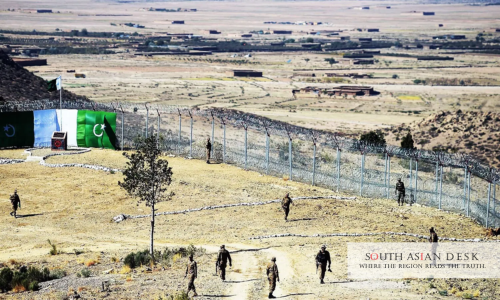
Pakistan and Afghanistan agreed on Thursday to their ceasefire extension indefinitely during talks in Istanbul, mediated by Turkey and Qatar, averting further escalation along their porous border. The decision, announced via a joint statement, addresses cross-border terrorism concerns and establishes a monitoring mechanism. This Pakistan Afghanistan ceasefire extension comes after deadly skirmishes that began on October 11, 2025, and involves principal-level discussions set for November 6. Officials from both sides, including Pakistani Information Minister Attaullah Tarar, had earlier expressed frustration, but last-minute diplomacy prevailed on October 31, 2025.
This development holds profound implications for South Asia. The volatile Durand Line, stretching over 2,600 kilometres, has long fuelled instability, displacing thousands and hindering trade worth billions in annual potential. A sustained Pakistan Afghanistan ceasefire extension could stabilise refugee flows, boost cross-border commerce estimated at USD 2.5 billion yearly, and curb militant activities threatening India, Iran, and Central Asia. It signals a diplomatic thaw, potentially easing pressures on regional powers amid global focus on counter-terrorism.
Istanbul Talks Ceasefire Continue: Path to Pak-Afghan Truce Stability
The Istanbul talks ceasefire continue marks a pivotal shift in Pak-Afghan relations strained by mutual accusations of harbouring militants. Delegations from Islamabad and Kabul convened from October 25 to 30, 2025, building on an initial truce forged in Doha on October 18-19. Mediators Turkey and Qatar facilitated sessions that tackled core grievances, including Pakistan’s demands for action against Tehrik-i-Taliban Pakistan (TTP) bases in Afghanistan.
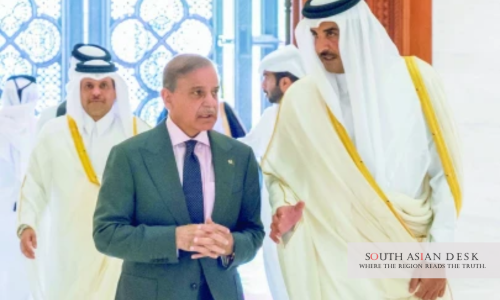
A joint statement released on October 30 by Turkey’s Ministry of Foreign Affairs outlined the consensus. “All parties have agreed on continuation of ceasefire,” it stated. This Pakistan Afghanistan ceasefire extension includes a verification system to enforce compliance. “All parties have agreed to put in place a monitoring and verification mechanism that will ensure maintenance of peace and imposing penalty on the violating party,” the document added. Turkey and Qatar, leveraging their ties, Qatar’s role in Afghan peace processes and Turkey’s strategic partnerships praised both nations’ engagement.
Pakistan’s delegation, led by senior foreign ministry officials, presented evidence of TTP incursions. Afghanistan countered with claims of Pakistani airstrikes, though Islamabad neither confirmed nor denied these. Despite a mid-talks impasse, as noted by Tarar on October 28 via X, where he described the dialogue as yielding “no workable solution,” renewed efforts yielded progress. Tarar emphasised Pakistan’s resolve: “We will continue to take all possible measures necessary to protect our people from the menace of terrorism.”
The Istanbul talks ceasefire continue extends the fragile Doha agreement, which halted immediate hostilities after an October 11 attack from Afghan soil killed 12 Pakistani troops. Subsequent exchanges saw artillery fire and Pakistani strikes on Gul Bahadur group camps. Data from Pakistan’s Inter-Services Public Relations (ISPR) indicates over 50 border incidents since January 2025, underscoring the urgency of this Pak-Afghan truce.
Joint Statement Highlights: Mechanisms for Enforcement
Central to the Pakistan Afghanistan ceasefire extension is the proposed monitoring framework. Independent observers, potentially from neutral parties like the United Nations, will oversee compliance along key flashpoints such as Torkham and Chaman crossings. Penalties for breaches remain unspecified but could involve diplomatic sanctions or trade restrictions, sources close to the talks revealed. This mechanism aims to build trust, addressing Pakistan’s losses with over 800 security personnel killed by TTP since 2021, per official figures.
Afghan representatives affirmed commitment to preventing soil use for anti-Pakistan activities, echoing Doha pledges. The joint statement noted: “Further modalities of the implementation will be discussed and decided in a Principal level meeting in Istanbul on 6 November 2025.” This timeline ensures momentum, with foreign ministers expected to attend.
Diplomatic Backdrop: From Stalemate to Accord
Prior to the Istanbul talks ceasefire continue, tensions peaked. On October 28, Tarar posted on X detailing four years of “futile” engagements, accusing Kabul of supporting terrorists. “The Afghan side kept deviating from the core issue,” he wrote, thanking mediators for their role. Yet, by October 30, consensus emerged, reflecting Qatar and Turkey’s influence, nations with USD 1.2 billion in annual aid to Afghanistan.
Economic stakes amplify the Pak-Afghan truce’s value. Border trade, disrupted by closures, supports 1.5 million livelihoods. The ceasefire extension could reopen routes, facilitating PKR 500 million in daily informal commerce.
Background: Escalation Along the Durand Line
Relations soured rapidly in early October 2025. An assault on October 11 from Afghanistan targeted Pakistani outposts, prompting retaliation. Afghanistan alleged pre-emptive Pakistani airstrikes, escalating to multiple skirmishes. By mid-month, Doha talks yielded a temporary halt, Crediting mediators for averting a full conflict.
Historical frictions trace to the 2021 Taliban takeover, with Pakistan hosting 1.4 million Afghan refugees yet facing TTP resurgence. UN reports cite 300 cross-border attacks in 2024 alone. This Istanbul talks ceasefire continue interrupts a cycle that displaced 10,000 in recent weeks.
What’s Next: Pak-Afghan Truce Next Round November
The principal-level summit on November 6 will refine enforcement details. Experts anticipate discussions on joint patrols and intelligence sharing. Success here could lead to broader economic pacts, including a revived Afghanistan-Pakistan Transit Trade Agreement.
Sustained implementation remains key. As Tarar affirmed, Pakistan prioritises citizen safety. Mediators vow ongoing support for “lasting peace and stability.”
This Pakistan Afghanistan ceasefire extension offers a rare window for reconciliation. With the November round looming, both capitals must honour commitments to transform fragile truce into enduring security.
Published in SouthAsianDesk, October 31st, 2025
Follow SouthAsianDesk on X, Instagram, and Facebook for insights on business and current affairs from across South Asia.