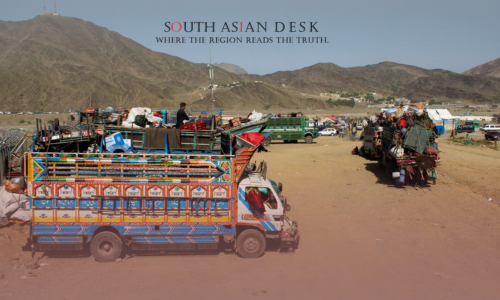
Pakistan has begun early deportation of documented Afghan refugees, even before its official September 1 deadline, drawing sharp criticism from the United Nations High Commissioner for Refugees (UNHCR).
Volume of Afghan Refugees
The move affects more than 1.3 million Afghans holding Proof of Registration (PoR) cards, which expired on June 30, 2025, rendering them unlawful residents under Pakistani law. On July 31, Pakistan’s interior ministry declared that these PoR cardholders were now considered illegal, despite being the last category of Afghans residing in the country without visas.
Early Deportation Started in August Despite Deadline
Although the formal repatriation process is scheduled to begin on September 1, reports have surfaced of early arrests and deportations. Between August 1 and 4, hundreds of legally registered refugees were allegedly detained and sent back to Afghanistan, according to UNHCR spokesperson Qaisar Khan Afridi.
UNHCR Role in Deportation
“UNHCR is calling on the government to stop the forcible return and adopt a humane approach to ensure voluntary, gradual, and dignified return of Afghans,” the agency said in a statement.
Pakistan’s interior ministry has stated that voluntary returns have commenced, but the UN argues that premature deportations breach international obligations, particularly the principle of non-refoulement, which protects refugees from being returned to countries where they might face threats to life or freedom.
Pakistan’s Illegal Foreigners Repatriation Plan
The deportation campaign is part of Pakistan’s Illegal Foreigners Repatriation Plan, launched in late 2023, which aims to expel all undocumented migrants from the country. While the plan includes those without valid documents, the early deportation of documented Afghans has raised major humanitarian and legal concerns.
Currently, around 750,000 Afghans in Pakistan hold Afghan Citizen Cards, which are also at risk of being invalidated unless the holders obtain valid visas.
Afghan authorities have labeled the deportations as forced, strongly rejecting Pakistan’s past claims that Afghan refugees are linked to militant activity or rising crime. Afghan officials and humanitarian groups warn that the sudden return of such large numbers could destabilize Afghanistan’s already fragile infrastructure.
Iran’s Role in Early Deportation
Adding to the crisis, Iran has also resumed mass deportations of Afghan nationals, increasing pressure on Kabul to absorb returnees amid ongoing economic and political turmoil.
Aid organizations have voiced fears that this influx of refugees could overwhelm local systems, exacerbating humanitarian needs and threatening both regional security and individual safety.
Published in SouthAsianDesk, August 6th, 2025
Follow SouthAsianDesk on X, Instagram, and Facebook for insights on business and current affairs from across South Asia.