Pakistani and Afghan forces traded heavy gunfire across the Chaman border late on Friday, December 5, 2025, in a Pakistan-Afghanistan border clash that left three civilians injured. The incident, centred on the Badani area near Chaman and Spin Boldak district, stemmed from mutual accusations of unprovoked attacks. Officials reported mortar shells and small arms fire until late night. No deaths occurred, though tensions persist after recent failed peace talks.
This flare-up underscores the fragility of border security in South Asia, where Pak-Afghan tensions disrupt trade routes vital for millions and fuel regional instability. The Chaman crossing handles billions in annual commerce, and closures since October have stranded thousands of trucks, exacerbating economic woes in Balochistan and Kandahar provinces.
Details Emerge from Chaman Border Firing
The Pakistan-Afghanistan border clash began around 10pm on December 5. A senior Quetta official, speaking on condition of anonymity, confirmed the exchange lasted several hours. Pakistani troops positioned along the Durand Line detected incoming mortar shells from the Afghan side targeting the Badani locality in Chaman tehsil.
Local police chief Mohammad Sadiq stated the firing originated across the border. “The shooting started from the Afghan side,” Sadiq said. “Our forces returned fire to defend the position near the Chaman crossing.” This key transit point links Quetta to Kandahar and sees over 1,000 vehicles daily under normal conditions.
Three injured individuals arrived at Chaman district hospital shortly after midnight. Medical superintendent Muhammad Owais detailed the cases: a woman with shrapnel wounds to her leg, a man with arm injuries, and a child hit by debris. “All are stable but under observation,” Owais reported. No military casualties surfaced in initial assessments.
Residents near the frontier described panic as shells whistled overhead. One trader, who declined to be named, said families fled homes along the Chaman-Kandahar highway. “We heard booms every few minutes,” he recounted. “The border gate shut immediately, trapping goods worth millions.”
Afghan Account of Spin Boldak Clash
From the Afghan perspective, the Spin Boldak clash painted a different picture. Taliban government spokesperson Zabihullah Mujahid issued a statement via X, blaming Pakistani aggression. “It was Pakistan that launched an attack on Spin Boldak,” Mujahid wrote. “Our forces responded to defend our territory.”
Afghan officials in Kandahar claimed light and heavy artillery struck civilian areas. Residents reported mortar rounds hitting homes, though no injuries were verified on their side by Saturday morning. The district, a hub for cross-border smuggling and trade, lies just 100km from Kandahar city.
This marks the latest in a series of border incidents since the Taliban takeover in 2021. Afghan sources linked the firing to Pakistani patrols probing infiltration routes used by militants. “We remain committed to the ceasefire,” an unnamed Afghan defence official told reporters. However, details on their retaliation remained sparse.
Broader Context of Pak-Afghan Tensions
Pak-Afghan tensions have simmered for months, rooted in disputes over the 2,640km Durand Line. Pakistan views the border as sovereign, while Afghanistan rejects it as a colonial relic. Recent escalations followed deportation drives of Afghan refugees and accusations of harbouring Tehrik-i-Taliban Pakistan (TTP) fighters.
In November 2025, border closures at Chaman and Torkham halted $2.5 billion in annual trade. Exporters lost PKR 500 million daily, per Balochistan Chamber of Commerce data. The United Nations warned of humanitarian fallout, with 1.2 million Afghans facing food shortages.
Friday’s Pakistan-Afghanistan border clash arrived days after talks in Riyadh collapsed. Delegations from Islamabad and Kabul aimed to extend a fragile truce but parted without agreement. A Pakistani foreign ministry readout cited “trust deficits” over militant sanctuaries.
Analysts note the Spin Boldak clash echoes past flare-ups. In October, similar Chaman border firing killed two Pakistani soldiers and wounded five. That episode prompted artillery duels lasting 48 hours. International mediators, including Saudi Arabia and Qatar, urged de-escalation.
Economic stakes amplify the risks. Chaman processes 40% of Pakistan’s exports to Central Asia, including cement and textiles. Afghan imports of flour and fuel rely on the route. Prolonged shutdowns could spike inflation in both nations, already strained by global commodity hikes.
Impact on Local Communities
Communities on both sides bear the brunt of these Pak-Afghan tensions. In Chaman, schools closed on Saturday as security forces reinforced checkpoints. Pashtun traders, who dominate the bazaars, voiced fears of renewed blockades. “One clash erases months of earnings,” said Haji Abdul, a dry fruit merchant.
Across the line in Spin Boldak, markets emptied amid rumours of troop build-ups. Women and children, comprising 60% of border migrants, face heightened vulnerability. The International Committee of the Red Cross reported 500 displaced families since November.
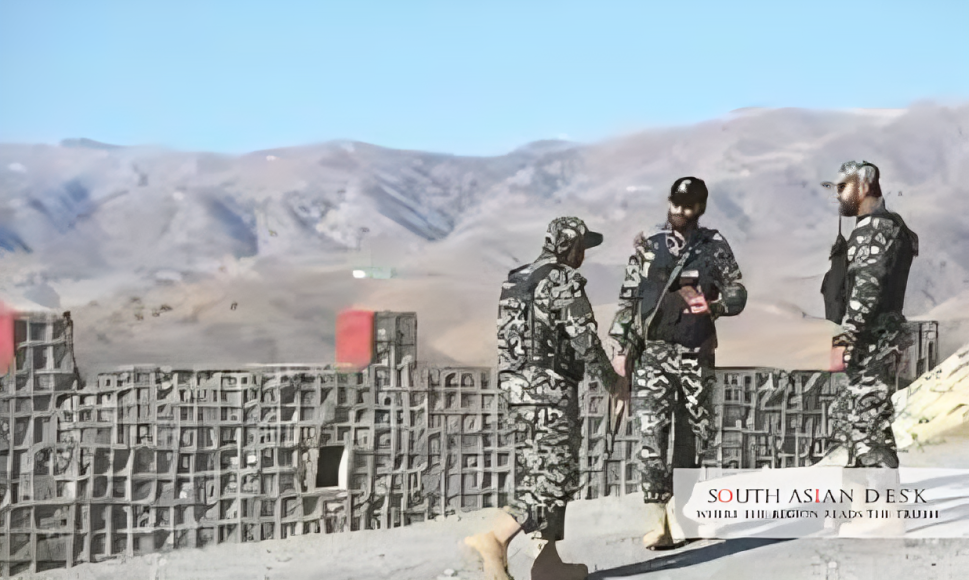
Saturday’s calm offered slim relief. Pakistani rangers patrolled the zero line, while Afghan border police monitored from elevated posts. Satellite imagery from Maxar showed no major damage to infrastructure, but shell craters dotted farmland.
Background: A History of Border Friction
The Durand Line, drawn in 1893, divides Pashtun heartlands and ignites periodic strife. Post-2001, cross-border raids targeted al-Qaeda remnants, costing thousands of lives. Under Taliban rule, accusations fly over TTP bases in eastern Afghanistan.
Pakistan conducted airstrikes in September 2025, claiming 40 militants killed. Kabul denounced them as sovereignty violations. Data from the South Asia Terrorism Portal logs 150 border incidents in 2025, up 30% from 2024.
Refugee flows add layers. Pakistan hosts 1.4 million registered Afghans, plus 800,000 undocumented. Deportations since March displaced 500,000, per UNHCR figures. These moves strain ties, with Kabul alleging ethnic cleansing.
What’s Next for the Pakistan-Afghanistan Border Clash
Diplomatic channels may reopen soon. Pakistan’s foreign office signalled willingness for hotline talks with Kabul. “We seek resolution through dialogue,” a spokesperson said. The UN Security Council monitors the situation, with briefings scheduled for December 10.
A sustained ceasefire hinges on addressing core grievances: militancy, refugees, and trade. Observers predict interim easements at Chaman to allow UN aid convoys, announced Friday. Yet, without breakthroughs, the Pakistan-Afghanistan border clash risks broader conflagration.
In the interim, both armies maintain high alert. Local leaders call for community dialogues to rebuild trust. As Saturday dawned quiet, the frontier’s future remains as porous as ever.
Published in SouthAsianDesk, December 6th, 2025
Follow SouthAsianDesk on X, Instagram, and Facebook for insights on business and current affairs from across South Asia.