Recurrent border shutdowns at Torkham and Chaman threaten the Pakistan-Afghanistan trade in medicines, worth nearly $200 million annually. Pharmaceutical exporters report stranded shipments of essential drugs like antibiotics and vaccines. Industry leaders warn of spoilage and irreversible losses as disruptions escalate in 2025.
Torkham Border Closures 2025 Halt Vital Supplies
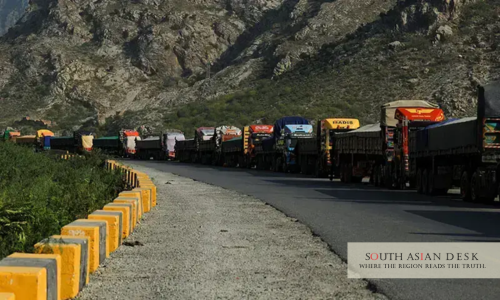
The Pakistan-Afghanistan medicine trade hangs in the balance amid the Torkham border closures in 2025. Hundreds of trucks laden with pharmaceuticals queue along access roads. Closures stem from security tensions between Pakistani and Afghan forces. The latest round began in October 2025, marking the most extended shutdown in recent memory.
Torkham handles the bulk of bilateral commerce. It serves as a gateway to Central Asia, including Uzbekistan, Tajikistan, Turkmenistan, and Kazakhstan. Each disruption ripples through regional corridors, such as the Pakistan-Uzbekistan-Afghanistan railway project.
Pharmaceutical containers sit idle at dry ports and warehouses. Antibiotics, insulin, vaccines, and cardiovascular medicines face spoilage risks. Temperature controls fail in prolonged waits. One exporter reports goods worth Rs850 million stuck at Torkham and Chaman.
Tauqeer ul Haq of the Pakistan Pharmaceutical Manufacturers Association (PPMA) addressed the crisis. “The closures are now so frequent that they have become a structural threat,” Haq stated. “For Pakistan’s pharmaceutical sector, the impact is already severe.” He noted that investors are eyeing alternative routes for predictability.
Official data underscores the stakes. Pakistan’s pharmaceutical exports exceeded $300 million in 2023, with Afghanistan being the primary destination. Medicaments dominate, accounting for 31 percent of shipments valued at $64.8 million that year, per Trade Development Authority of Pakistan (TDAP) figures.
The Torkham border closures in 2025 compound earlier losses. A month-long halt from October 12 resulted in $45 million in export damages and Rs16.5 billion in import losses. Daily cross-border containers dropped from 1,000 to 1,200 to 250-300.
Transporters endure hardships. Approximately 4,000 to 5,000 vehicles are waiting for clearance. Drivers scrounge for food, water, and fuel. Many exhaust savings on vehicle maintenance amid the standstill.
Chaman Border Medicine Exports Under Siege
Chaman border medicine exports mirror Torkham’s woes in the Pakistan-Afghanistan trade in medicines. This southwestern crossing funnels goods to southern Afghanistan. Closures here amplify supply gaps for remote areas.
Pharmaceutical firms report that over fifty companies have been affected. Essential drugs do not reach either the Kabul markets or the provincial clinics. The blockade cripples access to generics vital for public health.
Pakistan ranks 49th globally in pharmaceutical volume but 16th in value share. Exports focus on generics for limited markets, such as Afghanistan. TDAP highlights untapped potential in Central Asia, now jeopardised by instability.
Mujeebullah Shinwari, head of Torkham Customs Clearing Agents Association, called for the separation of trade from politics. “Focus on alienating bilateral trade from security and political issues with Afghanistan,” Shinwari urged. Annual volumes plummeted from $2.5 billion in 2012-2016 to $800-900 million today.
The Chaman border medicine exports face unique perils. Southern routes carry bulk shipments of oncology products and injectables. Delays increase costs by 20-30 percent, according to industry estimates. Spoiled batches force recalls, eroding trust.
Afghan importers scramble for alternatives. Diversification to Iran and Central Asian states helps buffer some of the impact. Yet, Pakistan’s role persists due to its cost-effective supplies. Bilateral pacts, such as the Transit Trade Agreement, ease duties, but enforcement often falters.
Pakistan Pharma Exports Afghanistan: A Lifeline at Risk
Pakistan pharma exports to Afghanistan form the backbone of the $200 million corridor. The sector grew by double digits over a five-year period, reaching a domestic valuation of $3.29 billion. Exports target high-demand generics, blood thinners, steroids, and nutraceuticals.
Afghanistan imports foodstuffs, cement, and pharmaceuticals via Torkham and Chaman. Rice, fruits, vegetables, and wood follow. Motorcycles and tractors round out the list, per Ministry of Foreign Affairs data.
Disruptions hit patients hardest. Stranded Afghan travelers seek treatment in Peshawar. One case involved a kidney patient who was unable to afford treatment, exhausting their funds on medication. Humanitarian corridors remain unopened.
PPMA pushes for safeguards. It advocates regulatory alignment with global standards. Initiatives like PharmEx Pakistan aid logistics and compliance. Yet, border volatility undermines gains.
The Pakistan Afghanistan medicine trade supports jobs for thousands. Manufacturers in Karachi and Lahore rely on steady orders. Losses from Torkham border closures in 2025 threaten layoffs.
Regional connectivity suffers too. Multilateral investments in trade routes falter. Investors balk at unpredictability, diverting funds elsewhere.
Broader Stakes in South Asia’s Trade Web
The Pakistan Afghanistan medicine trade disruptions echo across South Asia. Bilateral commerce totals $2 billion to $3 billion annually. Closures inflate prices for essentials like fruits and vegetables. Local markets in Khyber Pakhtunkhwa feel the pinch.
Central Asian access hinges on stability. Pakistan’s exports to landlocked neighbours drop 50 percent during halts. This also stalls growth in textiles and agriculture. Afghanistan’s diversification mitigates blows. Ties with China and Russia fill gaps. Yet, medicine shortages persist, straining health systems in the post-conflict period.
Pakistan’s economy bears $100 million in cumulative losses from 2025 closures. Small traders, reliant on daily hauls, face bankruptcy. Confidence erodes as big exporters withdraw capital. Tribal elders propose jirgas for dialogue. Youth leaders demand reopenings, threatening protests. Both sides urge depoliticising borders.
Data from TDAP shows pharmaceuticals as a bright spot. Strategy 2023-2027 aims for $500 million in exports through quality upgrades. Border fixes are key.
Background: Evolving Pak-Afghan Commerce
Pakistan and Afghanistan have shared porous borders since 1947. Torkham was formally opened in 1950, while Chaman was established earlier. Trade boomed post-2001, peaking at $2.5 billion.
The 2010 Transit Trade Agreement boosted volumes. It allows Afghan goods sea access via Karachi. Yet, security flares undo progress. The pharma sector matured post-1980s. Pakistan produces 80 percent of its needs domestically. Exports surged with halal certifications for Muslim markets.
Recent tensions can be traced back to the 2021 Taliban takeover. Deportations and fencing sparked clashes. In 2025, multiple shutdowns occurred, ranging from a few days to several months.
TDAP’s Strategic Trade Policy 2020-25 targets diversification. Yet, Afghanistan remains core at 10-15 percent of pharma outflows.
What’s Next for Pakistan Afghanistan Medicine Trade
Authorities eye bilateral talks for exemptions. Humanitarian windows could allow medicine passages. PPMA seeks insurance for stranded goods. Reopening timelines remain fluid. Transporters demand relief funds. In the long term, digital tracking may ease clearances.
Rail links could bypass roads, but funding lags. Stable borders determine whether the Pakistan-Afghanistan medicine trade rebounds or reroutes. The Pakistan Afghanistan medicine trade embodies fragile interdependence. Safeguards now prevent deeper regional fractures.
Published in SouthAsianDesk, December 6th, 2025
Follow SouthAsianDesk on X, Instagram, and Facebook for insights on business and current affairs from across South Asia.