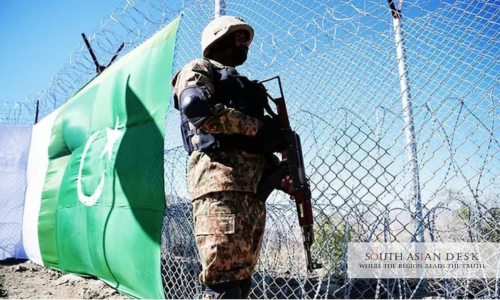
Pakistan agreed on Monday to resume Pakistan-Afghanistan peace talks with the Afghan Taliban in Istanbul following Turkiye’s mediation request, security sources said. The decision, made during the second round of dialogue over the weekend, aims to curb terrorist incursions from Afghan soil. No timeline for conclusion was set, but delegations extended their stay indefinitely. This comes after initial talks in Doha yielded a fragile truce.
The resumption of Pakistan-Afghanistan peace talks holds critical implications for South Asia’s security landscape. Persistent border clashes and Taliban-hosted militants like the Tehreek-e-Taliban Pakistan (TTP) have displaced thousands and spiked violence in Khyber Pakhtunkhwa and Balochistan provinces. A successful outcome could stabilise trade routes worth USD 2.5 billion annually and reduce refugee flows, fostering economic ties disrupted since the Taliban’s 2021 takeover. Failure risks escalation, drawing in regional powers like China and India.
Turkiye Steps In as Key Mediator
Turkiye’s mediation efforts in Afghanistan and Pakistan intensified after the first round of talks in Doha on 18-19 October 2025. There, Qatar and Turkiye co-brokered a 48-hour truce following Pakistani airstrikes on TTP-linked camps in Afghanistan’s Kunar province. Pakistani officials demanded verifiable actions against militants, including the dismantlement of sanctuaries and intelligence sharing.
A spokesperson for Pakistan’s Ministry of Foreign Affairs welcomed the Doha agreement in a briefing on 24 October as “a first step in ensuring regional stability.” The statement highlighted commitments to prevent Afghan soil from hosting attacks on Pakistan, aligning with Islamabad’s core security concerns.
In Istanbul, the focus shifted to establishing a monitoring mechanism. Proposals include timelines for TTP arrests, expulsions of fighters, and real-time cross-border coordination. Turkiye proposed co-chairing an oversight body with Qatar to enforce benchmarks and address non-compliance.
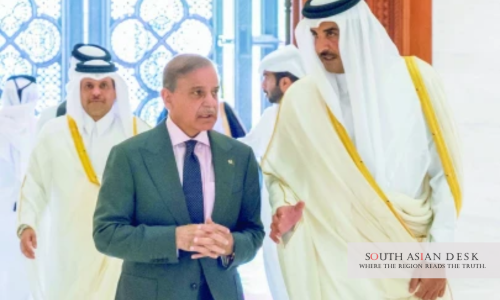
Security sources noted Pakistan’s delegation, led by Foreign Secretary Muhammad Syrus Sajjad Qazi, was prepared to depart but relented at Ankara’s insistence. “It was decided to give another chance to peace by continuing the talks,” one official told Dawn. Another emphasised: “Pakistan again underscored that Afghan soil is not used to carry out terrorist attacks against Pakistan.”
Istanbul Talks Pakistan Taliban: A Rocky Path Forward
Istanbul talks on Pakistan Taliban discussions began on 26 October 2025, building on the fragile gains made in Doha. Yet, early sessions faltered over mutual accusations. Afghanistan denied harbouring TTP operatives, countering with claims of Pakistani incursions on 11 October that killed 12 civilians, per Kabul reports.
Pakistan’s Information Minister Attaullah Tarar addressed the stalemate on 29 October, stating the round “ended without any breakthrough” but expressed hope for resumption. Speaking to Radio Pakistan, Tarar reiterated Islamabad’s resolve: “We seek clear, verifiable action against terrorists operating from across the border.”
Data from Pakistan’s Inter-Services Public Relations (ISPR) underscores the urgency. Since January 2025, TTP attacks have claimed 450 lives in Pakistan, up 60% from 2024. Border skirmishes alone displaced 15,000 people in Bajaur district last month.
Afghan Acting Foreign Minister Mawlawi Amir Khan Muttaqi, in a meeting on 23 October with China’s special envoy, acknowledged “recent tensions” with Pakistan but stressed the importance of bilateral dialogue. The discussion, hosted by Afghanistan’s Ministry of Foreign Affairs, focused on de-escalation without specifics on Istanbul.
The previous Istanbul talks in May 2025 also collapsed similarly, yielding no workable solution. Analysts attribute this to deep mistrust: Pakistan views the Taliban as enablers of extremism, while Kabul accuses Islamabad of sovereignty violations.
Background: Escalating Tensions Fuel Urgency
Relations soured rapidly after the Taliban’s August 2021 return. Initial optimism faded as TTP violence surged, with the group controlling swathes of Afghan border areas. A 12 October Ministry of Foreign Affairs release documented “continued presence of terrorist elements on Afghan soil”, citing UN reports on TTP financing via narcotics trade estimated at PKR 50 billion yearly.
The 11 October Afghan attack on Pakistani posts marked the’ peak of hostilities, prompting retaliatory strikes on Gul Bahadur group camps. This cycle displaced 20,000 people across the Durand Line, according to UNHCR figures from October 20.
Trilateral forums, such as the August 21 China-Afghanistan-Pakistan dialogue in Kabul, offered glimmers of cooperation. There, foreign ministers pledged enhanced connectivity, but security overshadowed economic commitments.
Pakistan’s economic stakes are high. The Afghanistan-Pakistan Transit Trade Agreement handles 80% of Kabul’s imports, valued at USD 1.8 billion in 2024. Disruptions result in a daily loss of PKR 100 million in revenue.
What’s Next for Pakistan-Afghanistan Peace Talks
Delegations reconvene in Istanbul on Tuesday, with Türkiye pushing for a joint communique by the end of the week. Pakistan insists on third-party verification, potentially involving UN observers. Afghanistan seeks guarantees against future airstrikes.
Success could pave the way for a bilateral security pact, including joint patrols. Failure might prompt Pakistan to tighten border controls, exacerbating humanitarian crises.
As one security source put it, this extension represents a “last-ditch push” for dialogue. The coming days will test whether Pakistan-Afghanistan peace talks can bridge the trust deficit or deepen the divide.
In the broader South Asian context, stabilised ties could bolster the China-Pakistan Economic Corridor, extending to Afghanistan and easing India’s regional concerns over militancy spillovers.
Published in SouthAsianDesk, October 30th, 2025
Follow SouthAsianDesk on X, Instagram, and Facebook for insights on business and current affairs from across South Asia.