Pakistan and Afghanistan held fresh peace talks in Saudi Arabia last weekend, but no breakthrough emerged on border disputes. Both sides agreed to extend the existing ceasefire, offering temporary relief in a region plagued by militant violence.
Pakistan and Afghanistan convened in Saudi Arabia for a critical round of Pakistan Afghanistan peace talks Saudi Arabia on 29 November 2025. The meeting, hosted under Riyadh’s mediation, aimed to resolve escalating border tensions. Officials from both nations attended, but the discussions ended without a comprehensive agreement. The fragile ceasefire, first struck in Doha in October 2025, received a one-month extension. This development came after deadly clashes in October that claimed dozens of lives.
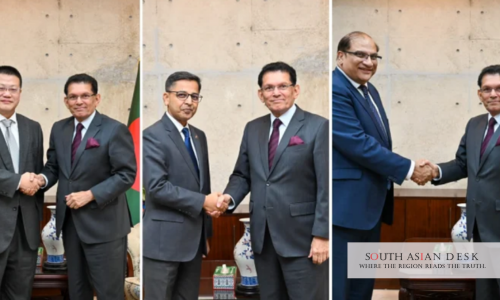
The talks drew representatives from Pakistan’s military, intelligence services, and foreign office. Afghanistan sent delegates including officials close to Foreign Minister Amir Khan Muttaqi. Saudi officials facilitated the venue, though Riyadh issued no public statement on the proceedings. The failure to secure a long-term deal underscores persistent rifts over cross-border militancy.
Why Pakistan Afghanistan Peace Talks Saudi Arabia Matter for Regional Stability
These Pakistan Afghanistan peace talks Saudi Arabia hold profound implications for South Asia. The porous Durand Line border stretches over 2,600 kilometres, serving as a conduit for militants and refugees. Since the Taliban’s 2021 takeover in Kabul, attacks by groups like the Tehrik-i-Taliban Pakistan (TTP) have surged, killing over 1,000 in Pakistan this year alone, per official data from Islamabad’s interior ministry. A stable border would boost trade, currently valued at USD 1.5 billion annually, and ease the burden on Pakistan’s 3 million Afghan refugees. Failure risks renewed clashes, destabilising economies in both nations and drawing in regional powers like India and Iran.
In South Asia, where security ties into broader geopolitics, Saudi mediation signals Gulf involvement in containing extremism. Riyadh’s role builds on its USD 2 billion aid to Afghanistan since 2021, per World Bank figures. For Pakistan, reliant on remittances from 2.7 million workers in Saudi Arabia, stronger ties could yield economic dividends. Yet, without progress, the cycle of accusations—Islamabad blaming Kabul for harbouring militants, and Kabul decrying Pakistani incursions—threatens to inflame ethnic Pashtun sentiments across the divide.
Details Emerge from Saudi-Mediated Discussions
The Pakistan Afghanistan peace talks Saudi Arabia focused on core disputes. Islamabad demands Kabul curb anti-Pakistan groups operating from Afghan soil. Kabul counters that it cannot police Pakistan’s internal security. Sources close to the delegations described the atmosphere as tense but civil. No agenda leaks surfaced, but discussions reportedly covered verification mechanisms for militant crackdowns.
Afghan Foreign Minister Amir Khan Muttaqi addressed the impasse in a Kabul briefing on 2 December 2025. “Our position toward Pakistan is that we still seek to resolve issues through understanding and dialogue,” Muttaqi stated. He added: “And we urge Pakistani officials: focus on solving your own fundamental problems, and value the constructive steps taken by the Islamic Emirate.” Muttaqi dismissed Islamabad’s claims as “shifting and inconsistent,” rejecting direct Taliban links to recent suicide bombings in Pakistan.
Pakistan’s Ministry of Foreign Affairs offered no immediate comment on the Saudi talks. A spokesperson reiterated in a 24 October 2025 briefing the Doha ceasefire’s importance: “We welcome the agreement between Pakistan and Afghanistan, finalised in Doha, Qatar on 19 October 2025, as a first step in ensuring regional peace and stability.” That pact halted immediate hostilities after an October airstrike in Afghanistan’s Spin Boldak district killed 12 civilians, according to Kabul reports. Pakistan’s military confirmed the strike targeted TTP hideouts but denied civilian casualties.
The Saudi mediation Pakistan Afghanistan border efforts mark Riyadh’s deepening footprint. Saudi Foreign Minister Prince Faisal bin Farhan discussed regional stability with his Pakistani counterpart on 21 October 2025, per a joint readout. “The two leaders reviewed recent regional developments… and reaffirmed their shared commitment to promote peace and stability,” the statement noted. This builds on a September 2025 “Strategic Mutual Defense Agreement” signed by Pakistani Prime Minister Muhammad Shehbaz Sharif and Saudi Crown Prince Mohammed bin Salman, emphasising joint deterrence against threats.
Delegates grappled with implementation hurdles. Pakistan seeks written pledges from Kabul on dismantling TTP bases. Afghanistan insists such groups operate independently. The talks echoed November’s Istanbul round, mediated by Turkey and Qatar, which also stalled. A Pakistani foreign ministry statement on 8 November 2025 described that session as productive yet inconclusive: “The Third Round of Pakistan-Afghanistan talks… concluded at Istanbul on 7 November 2025.” It highlighted Pakistan’s resolve: “Pakistan’s October 2025 response to the consistent attacks emanating from Afghanistan was a manifestation of the will and determination that Pakistan will not leave any stone unturned to safeguard its territory and its people.”
Pakistan Taliban Ceasefire Extension: A Fragile Lifeline
Central to the Saudi talks was the Pakistan Taliban ceasefire extension. The Doha truce, holding since mid-October, prevented further incursions. Officials agreed to prolong it through December 2025, averting winter escalations along snow-capped passes. This extension covers the 267 kilometre stretch in Khyber Pakhtunkhwa and Balochistan, where 70 per cent of attacks originate, based on Pakistan army data.
The ceasefire’s roots trace to 19 October 2025 Doha summit. There, envoys pledged mutual restraint after clashes that displaced 50,000 near Chaman. Taliban spokespersons hailed the pause as goodwill, but incidents persist—three skirmishes reported in November, per border monitors. The extension buys time for trust-building, yet analysts warn of spoilers. TTP chief Noor Wali Mehsud vowed in an October audio: “Our jihad continues against Pakistani forces.” Islamabad attributes 80 attacks this year to Afghan sanctuaries.
For border communities, the pause means resumed crossings. Over 10,000 traders daily use Torkham gate, per customs logs. A breach could halt PKR 500 million in monthly duties. Afghan exports like fruits, vital for Pakistan’s markets, flowed uninterrupted post-Doha.
Saudi Mediation Pakistan Afghanistan Border: Broader Implications
Saudi mediation Pakistan Afghanistan border initiatives reflect Riyadh’s pivot to soft power. Hosting the talks aligns with Crown Prince Mohammed bin Salman’s Vision 2030, emphasising regional security. Saudi Arabia pledged USD 500 million in Afghan reconstruction at a November 2024 donor conference, tying aid to stability. This mediation follows Qatar’s Doha role and Turkey’s Istanbul efforts, forming a trilateral track.
Pakistan values Saudi leverage over the Taliban, given historical ties. Riyadh sheltered Taliban leaders in the 1990s and hosts 1.5 million Afghans. Yet, mediation faces limits. Kabul views Gulf involvement warily, fearing external dictates.
The border’s volatility affects migration flows. Pakistan deported 800,000 Afghans since 2023, citing security, but paused amid talks. Extension of the ceasefire eases repatriation strains.
Afghanistan Pakistan Talks December 2025: Timeline and Challenges
The Afghanistan Pakistan talks December 2025 slot into a packed diplomatic calendar. Following Istanbul, Riyadh’s venue signalled urgency. Next, a Qatar-hosted review is slated for mid-December, focusing on monitoring. Envoys aim to operationalise Doha commitments, including joint patrols.
Challenges loom large. Intelligence sharing remains nascent; Pakistan reports 200 TTP fighters crossed in November alone. Kabul demands eased visa regimes for diplomats. Economic incentives could sway outcomes—bilateral trade targets USD 5 billion by 2030, per a 2024 pact.
In Peshawar and Kabul, residents watch warily. A trucker at Chaman said: “Peace means full loads, not half-empty fears.” Data from the South Asian Association for Regional Cooperation shows border stability could add 2 per cent to GDP growth.
Background: From Clashes to Ceasefire
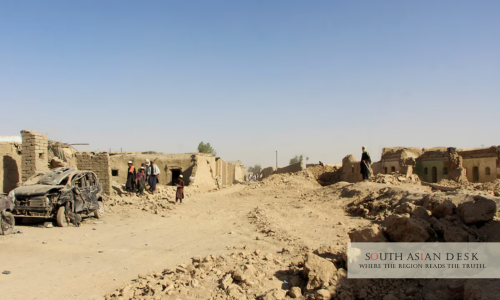
Tensions spiked in October 2025 with artillery exchanges killing 45. Pakistan’s airstrikes targeted TTP camps, drawing Taliban retaliation. This marked the worst violence since 2021, when 150 died in similar flare-ups. The Doha ceasefire, inked days later, deployed 500 observers. Istanbul built on it, but demands for demilitarised zones faltered.
Historical precedents abound. The 2022 Pakistan-Afghanistan Joint Commission faltered over water shares. Saudi Arabia’s entry revives 2018 mediation attempts.
What’s Next for Pakistan Afghanistan Peace Talks Saudi Arabia
As the dust settles on these Pakistan Afghanistan peace talks Saudi Arabia, eyes turn to Doha. A successful review could yield verifiable pacts by January 2026. Failure risks renewed strikes, but the ceasefire extension offers a window. Stakeholders urge inclusivity, involving local jirgas. Regional peace hinges on bridging trust gaps, ensuring militants find no haven.
Published in SouthAsianDesk, December 4th, 2025
Follow SouthAsianDesk on X, Instagram, and Facebook for insights on business and current affairs from across South Asia.