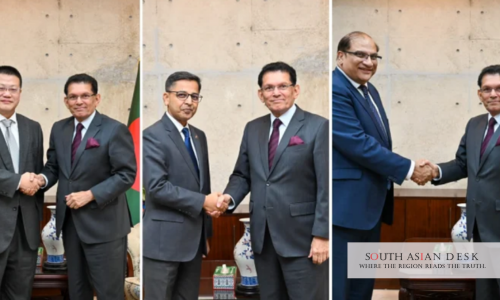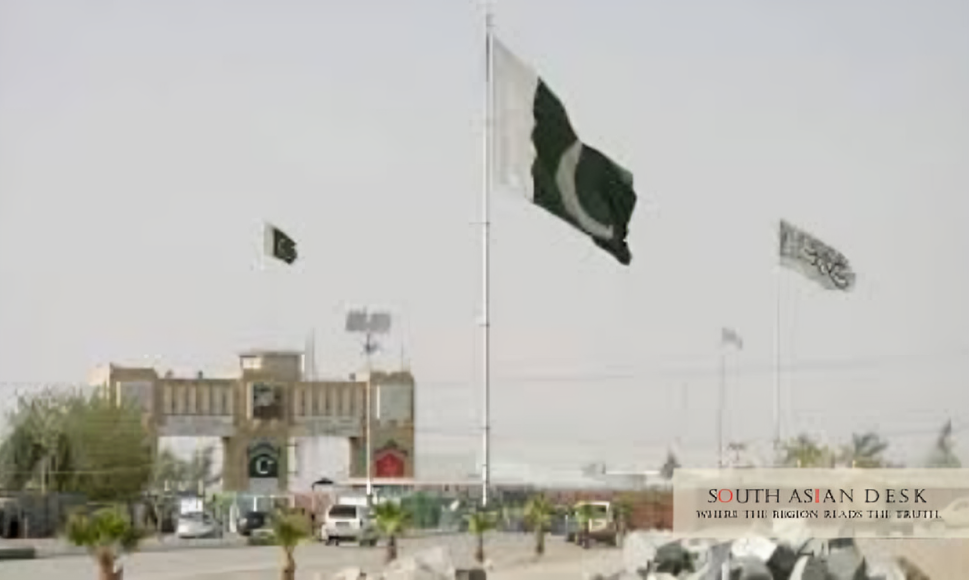
Unannounced Saudi-mediated discussions in Riyadh end without breakthrough, leaving Islamabad-Kabul impasse unresolved and cross-border tensions Pakistan Afghanistan unaddressed.
Impasse Persists in Riyadh Talks
Pakistan Afghanistan Riyadh talks concluded late Sunday, 30 November 2025, in Riyadh without any progress on key security demands. Delegations from Islamabad and Kabul met under Saudi mediation to tackle the ongoing Islamabad Kabul impasse. The session lasted less than two hours and focused on counterterrorism measures and trade resumption.
Saudi officials hosted the unannounced meeting at a government guesthouse. No joint statement emerged from the discussions. The talks highlighted deep divisions over terrorist safe havens and border security. Pakistan pressed for verifiable actions against groups like the Tehrik-i-Taliban Pakistan (TTP) and Balochistan Liberation Army (BLA). Kabul resisted, sticking to its position on sovereignty and non-interference. This marks the latest failure in efforts to ease cross-border tensions Pakistan Afghanistan, which spiked after October 2025 clashes along the Durand Line.
The Riyadh venue built on prior mediation attempts, including Turkiye-Qatar tracks in Istanbul and Doha. Yet, both sides held firm, turning the meeting into a brief exchange rather than substantive negotiations. Saudi Arabia urged both nations to resume bilateral trade worth USD 2.5 billion annually, but Islamabad rejected the proposal until security issues resolve. The impasse underscores broader regional instability, with over 1,200 terror incidents in Pakistan linked to Afghan-based militants in 2025, per official data.
Saudi Mediation Pakistan Afghanistan Hits Dead End
Saudi mediation Pakistan Afghanistan aimed to revive stalled diplomacy amid escalating cross-border tensions Pakistan Afghanistan. Riyadh’s role stems from its growing influence in South Asian security dialogues. The kingdom has hosted similar sessions since 2024, including a World Economic Forum meeting in April that touched on regional connectivity. In the latest round, Saudi diplomats facilitated initial greetings but could not bridge the gap.
Pakistan’s delegation included senior Foreign Office officials who attended earlier Istanbul rounds. They reiterated demands for Kabul to dismantle TTP and BLA networks operating from Afghan soil. A spokesperson from Pakistan’s Ministry of Foreign Affairs stated in a prior briefing on security threats: “Pakistan has conveyed its concern, and the Afghan authorities must take our concerns seriously and not test the patience of Pakistani people with respect to the terror threat that we continue to face from the entities and individuals who have found sanctuaries inside Afghanistan.” This aligns with Islamabad’s consistent position in multilateral forums.
Kabul’s team, led by Anas Haqqani, brother of Interior Minister Sirajuddin Haqqani, and Rahmatullah Najib, defended its counterterrorism efforts. They argued that accusations lack evidence and stem from historical border disputes. No direct quotes from the Taliban delegation surfaced post-meeting, but prior Afghan statements emphasise mutual respect for sovereignty. The Afghan Ministry of Foreign Affairs has not issued an official update on the Riyadh session as of Monday, 1 December 2025.
Cross-border tensions Pakistan Afghanistan date back to the Taliban’s 2021 takeover, but intensified in 2025 with artillery exchanges killing 45 civilians and displacing 10,000 near the Durand Line. Pakistan attributes 80% of its terror attacks to TTP fighters trained in Afghanistan, citing intelligence intercepts. Kabul counters that Islamabad supports anti-Taliban factions, though without proof. Saudi mediation Pakistan Afghanistan sought to separate trade from security, proposing a USD 500 million aid package for Afghan reconstruction. Islamabad declined, linking any economic relief to verifiable TTP arrests.
Background on Cross-Border Tensions Pakistan Afghanistan
Cross-border tensions Pakistan Afghanistan have roots in the porous 2,640-kilometre Durand Line, drawn in 1893 and rejected by Kabul. Post-2021, attacks surged: TTP claimed responsibility for 450 strikes in Pakistan, up from 150 in 2024. Pakistan responded with airstrikes in September 2025, targeting TTP camps in Khost province. This prompted Taliban retaliation, closing trade routes for 72 hours and costing PKR 2 billion in losses.
The Turkiye-Qatar mediation track, launched in Doha in February 2025, yielded a temporary ceasefire in June. That agreement halted cross-border firing for 90 days but collapsed when TTP resumed operations. In Istanbul’s third round on 7 November 2025, Pakistan pushed for a monitoring mechanism, but Kabul diluted focus by raising water-sharing disputes. A Ministry of Foreign Affairs press release noted: “The Afghan side tried to dilute the focus on the core issue of terrorism and expand the scope of engagement by bringing in hypothetical allegations and unfounded claims.”
Saudi Arabia entered as a neutral broker in October 2025, leveraging its USD 1 billion investments in Pakistani infrastructure. Riyadh views stability as key to its Vision 2030 goals, including a North-South Corridor linking Afghanistan to Gulf ports. Yet, the Islamabad Kabul impasse persists, with no breakthroughs on extraditions or joint patrols. Data from Pakistan’s Inter-Services Intelligence shows 5,000 TTP fighters active in Afghanistan, up 20% from 2024.
In South Asia, these tensions ripple beyond bilaterals. India has ramped up aid to Afghanistan by USD 100 million in 2025, focusing on Chabahar port to bypass Pakistan. China, via the China-Pakistan Economic Corridor, worries about spillover into Balochistan. The United Nations reported in November 2025 that 1.2 million Afghans fled to Pakistan amid the clashes, straining Islamabad’s resources.
Why the Riyadh Talks Matter for Regional Stability
The failure of Pakistan Afghanistan Riyadh talks amplifies risks across South Asia. Unresolved cross-border tensions Pakistan Afghanistan threaten trade volumes projected at USD 5 billion by 2027 under regional pacts like SAARC. Security lapses fuel extremism, with TTP affiliates targeting CPEC projects worth USD 62 billion. For Afghanistan, isolation worsens its humanitarian crisis: 23 million face food insecurity, per UN estimates. Pakistan, hosting 1.4 million Afghan refugees, faces domestic backlash over deportations of 500,000 undocumented migrants since August 2025.
Saudi mediation Pakistan Afghanistan represents a pivot from Western-led efforts, aligning with OIC frameworks. Riyadh’s engagement could stabilise energy flows, as Afghanistan’s TAPI pipeline delays cost Central Asia USD 1 billion annually. Yet, without concessions, the Islamabad Kabul impasse risks proxy escalations, echoing 1979 Soviet-era frictions. Broader implications include heightened militancy in Khyber Pakhtunkhwa, where 300 schools closed due to threats in 2025.
What’s Next for Pakistan Afghanistan Riyadh Talks
Saudi Arabia plans to host another round of Pakistan Afghanistan Riyadh talks in early 2026, sources indicate. Riyadh remains committed to mediation, potentially involving OIC partners like Turkiye. Islamabad signals readiness for dialogue if Kabul acts on TTP. Kabul, meanwhile, seeks multilateral guarantees on border neutrality. Analysts predict incremental steps, such as intelligence-sharing protocols, to avert winter escalations. The path forward hinges on de-escalating cross-border tensions Pakistan Afghanistan before spring thaws enable mobilisations.
In conclusion, the stalled Pakistan Afghanistan Riyadh talks leave the Islamabad Kabul impasse intact, demanding urgent diplomatic resets to safeguard South Asian security.
Published in SouthAsianDesk, December 2nd, 2025
Follow SouthAsianDesk on X, Instagram, and Facebook for insights on business and current affairs from across South Asia.