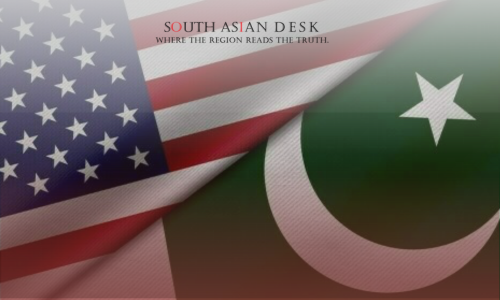
Pakistan and the United States are on the verge of finalizing a significant trade agreement aimed at strengthening economic ties and ensuring stable market access for Pakistani exports. The ongoing negotiations, described as highly productive, focus on a reciprocal tariff framework to prevent the reimposition of a 29% U.S. tariff on Pakistani goods, particularly textiles and agricultural products. These talks, which have been ongoing for weeks, signal a renewed commitment to deepening bilateral economic relations.
The Pakistani delegation, led by Commerce Secretary Jawad Paul and joined by Finance Minister Muhammad Aurangzeb, has engaged with key U.S. officials, including Commerce Secretary Howard Lutnick and Trade Representative Jamieson Greer. Discussions have centered on reducing trade barriers and expanding cooperation beyond tariffs. Pakistan has proposed increasing imports of U.S. goods, such as crude oil and cotton, while offering investment opportunities in sectors like mining, digital infrastructure, and energy. The Reko Diq copper-gold project in Balochistan, valued at $7 billion, has emerged as a focal point, with the U.S. Export-Import Bank considering financing proposals worth up to $1 billion.
Social media posts on X reflect optimism about the talks, with users noting the potential for tariff-free exports and enhanced U.S. investment in Pakistan’s mineral and energy sectors. The agreement is expected to address Pakistan’s $3 billion trade surplus with the U.S. in 2024, a point of contention under President Donald Trump’s trade policies aimed at reducing American deficits. While a formal announcement awaits the conclusion of U.S. negotiations with other trade partners, both sides are confident in reaching a deal that supports mutual economic growth.
Beyond trade, the discussions have laid the groundwork for future investment dialogues. Pakistani officials emphasize that sectors like artificial intelligence, cryptocurrency, and mineral exploration could drive long-term collaboration. Deputy Prime Minister and Foreign Minister Ishaq Dar’s upcoming visit to the U.S. for UN Security Council events is expected to further strengthen diplomatic and economic ties, reinforcing the strategic reset in Pakistan-U.S. relations.
This agreement marks a pivotal moment for Pakistan’s economy, ensuring continued access to its largest trading partner while opening new avenues for investment and cooperation.
Published in SouthAsianDesk, July 20th, 2025
Follow SouthAsianDesk on X, Instagram and Facebook for insights on business and current affairs from across South Asia.