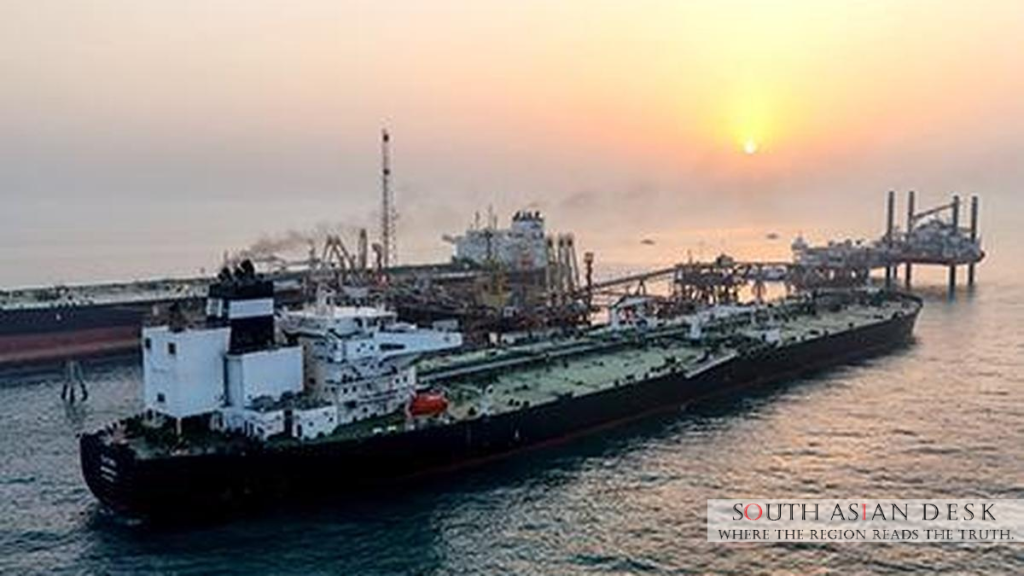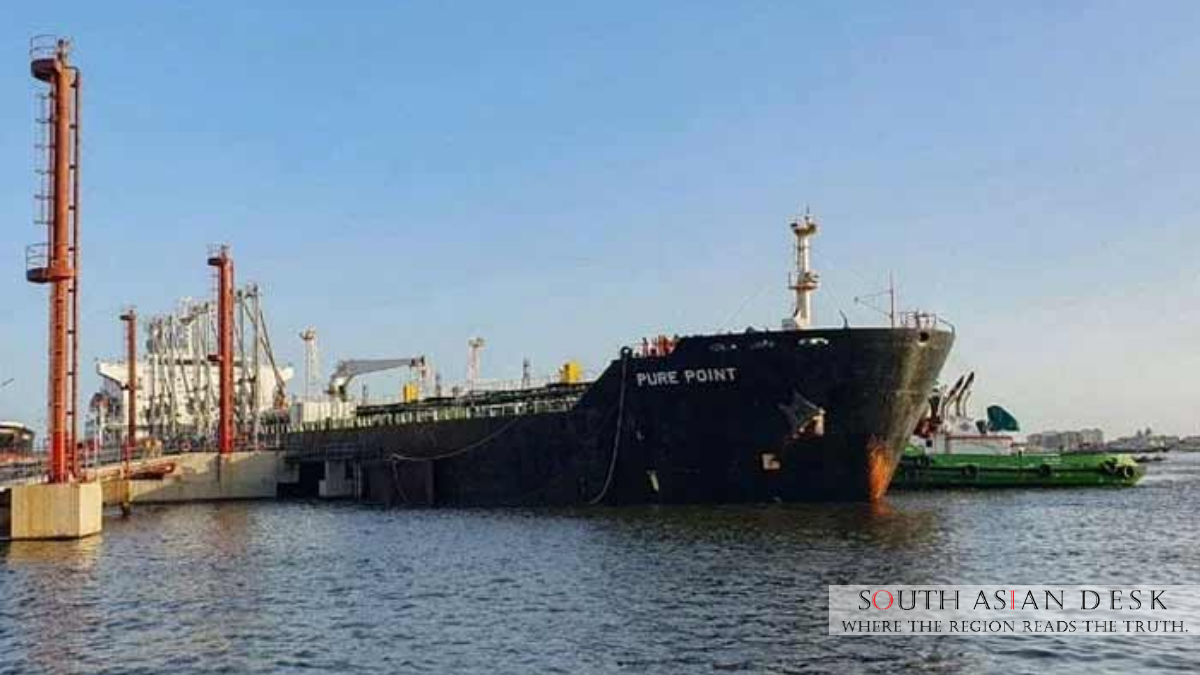
On March 9, 2026, Pakistan anticipates the arrival of three petrol cargoes, according to Petroleum Minister Ali Pervaiz Malik. The announcement comes amid escalating tensions in the Middle East, raising concerns over potential disruptions to the nation’s fuel supplies.
During a high-level meeting in Karachi, key officials, including Sindh Chief Minister Murad Ali Shah and Finance Minister Muhammad Aurangzeb, deliberated on the situation’s implications for Pakistan’s energy supplies and economy. The federal government recently increased petrol and diesel prices by Rs55 per litre due to surging global oil prices driven by the US-Israel conflict with Iran.
Officials at the meeting warned that if the Middle East conflict intensifies, crude oil prices could soar to $120 per barrel, further straining Pakistan’s economic stability. Emergency energy conservation measures were discussed to manage fuel consumption and ensure economic continuity.
Sindh Chief Minister emphasized responsible energy use and public cooperation, while Finance Minister Aurangzeb highlighted the federal government’s monitoring of global energy markets and contingency planning. He noted that a significant rise in crude oil prices could elevate Pakistan’s monthly oil import bill by up to $600 million.
The meeting also addressed potential LNG supply disruptions due to Qatar’s force majeure declaration and discussed diplomatic efforts with Saudi Arabia, Oman, and the UAE to secure alternative fuel routes. Strengthened coordination between federal and provincial authorities was deemed essential to prevent hoarding and ensure smooth distribution.
In conclusion, the gathering underscored the importance of maintaining close federal-provincial coordination to manage the evolving energy landscape and safeguard economic stability.
Published in SouthAsianDesk, March 9, 2026
Follow SouthAsianDesk on X, Instagram and Facebook for insights on business and current affairs from across South Asia.