LNG Supply Disruptions Raise Concerns Over Fuel Shortages
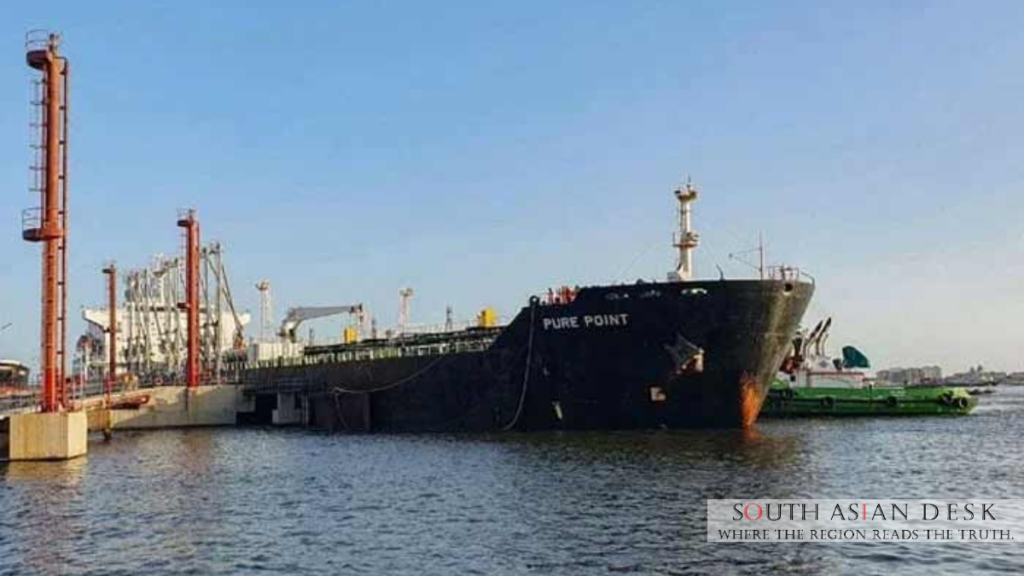
Pakistan is preparing for potential fuel shortages as tensions in the Middle East threaten to disrupt supply chains. Petroleum Minister Ali Pervaiz Malik announced on March 8, 2026, that three petrol cargoes are expected to arrive in the country by Monday.
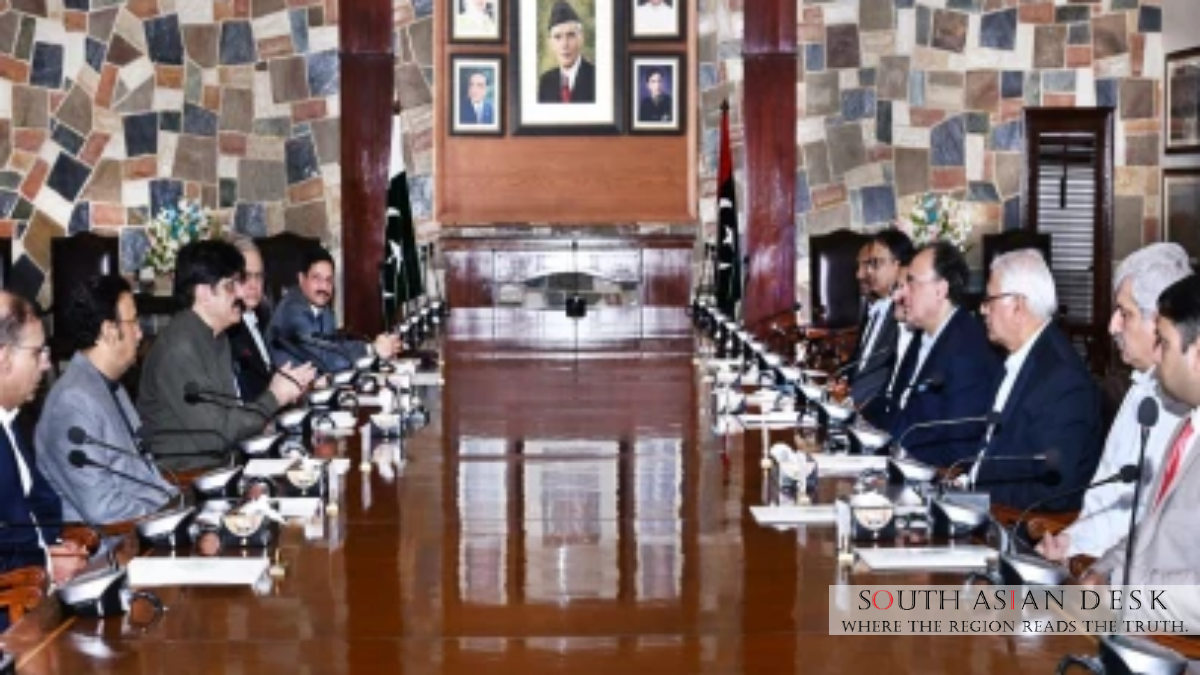
A high-level meeting was convened by Sindh Chief Minister Murad Ali Shah, who met with Finance Minister Muhammad Aurangzeb and Petroleum Minister Malik to assess the regional situation’s impact on Pakistan’s energy sector. The officials were briefed on the rising global oil prices and the country’s current fuel reserves.
Federal officials warned that an escalation in the Middle East conflict could push crude oil prices to $120 per barrel, exacerbating the economic pressure on Pakistan. Emergency energy conservation measures were discussed to manage fuel consumption and maintain economic activity.
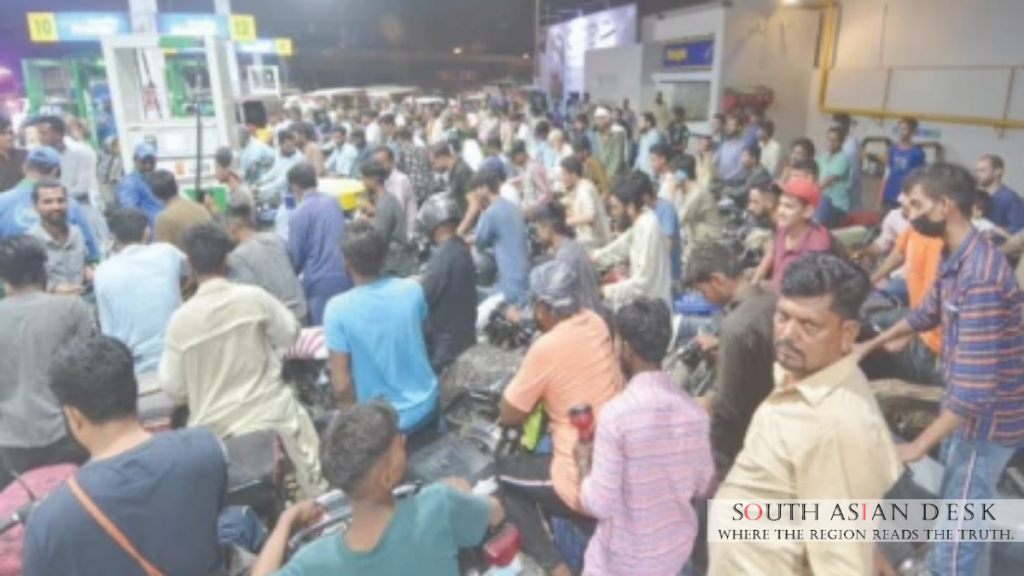
The meeting also addressed concerns about potential hoarding at petrol pumps and the implications of Qatar’s force majeure declaration affecting LNG supplies. The federal government is collaborating with provinces to create a joint dashboard for monitoring fuel stocks and ensuring continuous supply.
Finance Minister Aurangzeb highlighted the government’s efforts to monitor global energy markets and prepare contingency plans. A significant surge in crude prices could increase Pakistan’s monthly oil import bill by up to $600 million, straining the external account.
The Sindh Chief Minister emphasized the importance of responsible energy use and public cooperation. Proposals from the meeting will be presented to the cabinet for further deliberation. Discussions with Saudi Arabia, Oman, and the UAE are underway to secure alternative fuel supplies.
Amidst these challenges, the government is also seeking relief in the petroleum levy during talks with the International Monetary Fund to alleviate the financial burden on consumers. The closure of the Strait of Hormuz by Iran, following US-Israel airstrikes, has further complicated the situation.
The recent spike in petrol prices by Rs55 per litre has intensified the cost of living, affecting transport fares and the prices of daily necessities. The government is working to prevent hoarding and ensure smooth fuel distribution across the country.
Published in SouthAsianDesk, March 8, 2026
Follow SouthAsianDesk on X, Instagram and Facebook for insights on business and current affairs from across South Asia.