Pakistan deports Afghans with German resettlement rights, leaving vulnerable individuals stranded and at risk of persecution under Taliban rule. This controversial move, affecting over 200 refugees approved for asylum in Germany, has ignited widespread concern and criticism, highlighting the fragile plight of Afghan refugees seeking safety and a new life.
Pakistan Deports Afghans Amid Strained Regional Dynamics
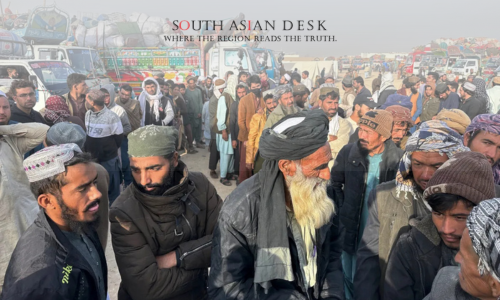
In a distressing development, Pakistan has deported 211 Afghan refugees who were approved for resettlement in Germany, forcing them back to Taliban-controlled Afghanistan. These individuals, including human rights defenders, journalists, and former aides to Western forces, were temporarily residing in Pakistan while awaiting their visas. The deportations, which began in late 2023, have raised alarm among South Asian communities, where families fear for the safety of loved ones facing potential imprisonment or worse under Taliban rule.
The German government has expressed deep concern, noting that these refugees were promised refuge due to their work supporting German troops or their vulnerability to persecution. Efforts are underway to negotiate with Pakistani authorities to secure the return of the deportees to Pakistan, with temporary accommodations arranged in Afghanistan through a service provider. For many in South Asia, this situation underscores the human cost of geopolitical tensions and bureaucratic delays.
German Resettlement Rights Under Threat
The deported Afghans were part of a German federal admissions programme launched after the Taliban’s 2021 takeover, designed to protect those at risk, such as women’s rights activists. Despite Germany’s commitment to resettle over 2,000 Afghans, the programme has faced significant hurdles, with bureaucratic delays leaving many stranded. The recent deportations mark a significant setback, as Pakistani authorities have intensified their crackdown on Afghan refugees, citing security concerns.
Reports indicate that around 400 Afghans with German resettlement rights have been arrested in Pakistan in recent weeks, with some transferred to deportation camps. This has sparked fears among South Asian diaspora communities, who see these actions as a betrayal of promises made to vulnerable individuals who risked their lives for international causes.
Legal and Humanitarian Fallout
The deportations have prompted legal action in Germany, with advocacy groups accusing German officials of failing to protect those promised asylum. The charges, filed against senior ministers, allege “abandonment” and “failure to render assistance,” highlighting the dire risks deportees face, including torture and execution. These legal challenges resonate with South Asian audiences, who empathise with the refugees’ struggle for safety and dignity. Pakistani courts have also seen petitions from refugee advocates, urging a halt to deportations until international resettlement processes are completed. The growing legal scrutiny reflects the mounting pressure on both nations to uphold humanitarian commitments.
The United Nations has also voiced concerns, warning that over one million Afghan refugees in Pakistan could face deportation by a September 2025 deadline. This mass repatriation effort, driven by Pakistan’s strained relations with the Taliban, leaves countless families in limbo, torn between hope for resettlement and fear of forced return.
A Call for Compassion and Action
The plight of these Afghan refugees has struck a chord across South Asia, where communities understand the pain of displacement and persecution. Germany’s ongoing dialogue with Pakistan aims to halt further deportations and secure safe passage for those with German resettlement rights. However, the slow pace of the asylum process continues to endanger lives, leaving many to question the commitment to protecting the vulnerable.
As Pakistan deports Afghans with German resettlement rights, the region watches closely, hoping for a resolution that prioritises humanity over politics. The outcome will shape not only the lives of these refugees but also the broader narrative of compassion and responsibility in South Asia’s refugee crisis.
Published in SouthAsianDesk, August 19th, 2025
Follow SouthAsianDesk on X, Instagram, and Facebook for insights on business and current affairs from across South Asia.