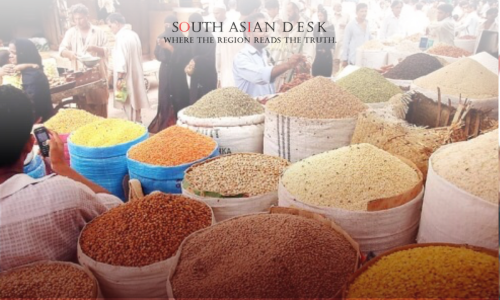
Pakistan is grappling with a significant increase in pulse imports due to a persistent decline in domestic production. The surge in demand for pulses, a staple in the national diet, has led to record-breaking import levels, straining the country’s trade balance and raising concerns about food security.
In recent years, pulse production in Pakistan has faced challenges such as unpredictable weather, limited access to quality seeds, and inadequate irrigation infrastructure. Data indicates that domestic output of key pulses like lentils, chickpeas, and mung beans has fallen by approximately 15-20% over the past five years. This shortfall has forced Pakistan to rely heavily on imports from countries such as Australia, Canada, and Myanmar to meet the dietary needs of its population.
The financial impact is notable, with import costs for pulses reaching an estimated $1.2 billion in the last fiscal year. This rise in expenditure has sparked debates among policymakers and agricultural experts about the need for sustainable solutions. Farmers’ associations have called for government intervention, including subsidies for modern farming techniques and improved access to drought-resistant crop varieties.
Social media discussions on platforms like X highlight public concern over rising food prices, with many attributing the issue to the gap between domestic supply and demand. Some users have emphasized the urgency of investing in local agriculture to reduce dependency on foreign supplies, while others point to the global rise in pulse prices as a contributing factor.
Efforts to address the issue are underway, with the government exploring initiatives to boost local production through better resource allocation and research into high-yield crops. However, experts suggest that reversing the trend will require long-term commitment to modernizing agricultural practices and addressing systemic challenges like water scarcity.
For now, Pakistan’s reliance on record pulse imports underscores the need for strategic measures to ensure food security and economic stability. Continued monitoring of both domestic production and global market trends will be vital for informed policy decisions.
Published in SouthAsianDesk, July 14th, 2025
Follow SouthAsianDesk on X, Instagram and Facebook for insights on business and current affairs from across South Asia.