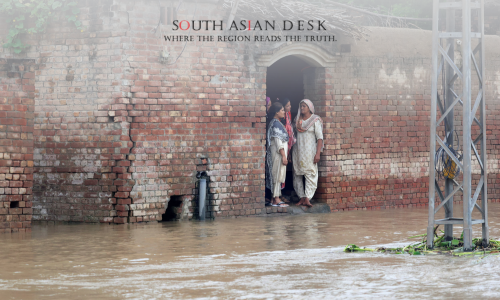
The Punjab government has called in the Pakistan Army to six districts amid Pakistan flood alert. The flood levels in the Chenab, Ravi, and Sutlej rivers threaten widespread damage. Triggered by heavy monsoon rains and potential water releases from Indian reservoirs, the floods have prompted urgent flood alerts in Lahore and surrounding areas. Authorities are evacuating residents and distributing aid to mitigate the crisis.
Why This Matters in South Asia
Floods in Punjab, Pakistan’s agricultural and economic hub, disrupt millions of lives and threaten food security across South Asia. The region’s dependence on shared river systems, governed by the Indus Waters Treaty, highlights the need for cross-border cooperation in flood forecasting and disaster management, with implications for Pakistan-India relations.
Flood Alert in Lahore: Current Situation
On Tuesday, August 26, 2025, the Punjab Provincial Disaster Management Authority (PDMA) issued a flood alert for Lahore and other districts, citing “exceptionally high” water levels in the Chenab River. The Ravi and Sutlej rivers are also at critical levels, with risks heightened by potential water discharges from Indian reservoirs, according to the National Disaster Management Authority (NDMA). The army has been deployed in six districts to assist with rescue operations, evacuations, and relief efforts.
The NDMA reported that the Chenab River at Head Marala recorded a flow well above the normal level. Lahore, with a population exceeding 11 million, faces urban flooding risks, with drainage systems overwhelmed by monsoon downpours.
Punjab, Pakistan Flood Alert: Impact and Response
The Chenab River, a key tributary of the Indus, is experiencing unprecedented water levels, with forecasts predicting further increases through Saturday, August 30, 2025. The Ravi and Sutlej rivers are also under close watch due to their dependence on upstream water releases from India. The NDMA has warned of potential flooding in nullahs (stream channels), endangering rural communities and farmland.
Military and Civilian Efforts
The Pakistan Army, directed by the Inter-Services Public Relations (ISPR), is conducting rescue operations, including helicopter evacuations in hard-hit areas. On Monday, August 25, 2025, a family in Rawalpindi was rescued by army helicopters, showcasing the military’s critical role. The PDMA is coordinating with local authorities to distribute food, water, and temporary shelters. The Punjab government has allocated millions for emergency relief.
Challenges in Flood Forecasting
Accurate flood forecasting remains challenging due to limited real-time data on water releases from Indian reservoirs. The PMD has urged improved regional collaboration to enhance early warning systems and reduce cross-border flood risks.
Background
Punjab has a history of monsoon-related flooding, with devastating events in 2010 and 2014 causing billions in damage. The province’s agricultural economy relies heavily on the Chenab, Ravi, and Sutlej rivers, which are prone to overflow during heavy rains. The Indus Waters Treaty, signed in 1960, governs water-sharing between Pakistan and India, but disputes over water management persist, complicating flood preparedness.
What’s Next
The NDMA and PMD will provide daily flood forecasting updates as river levels remain critical. Residents are urged to avoid crossing rivers and follow evacuation orders. The Punjab government is preparing for potential escalation, with additional army units on standby. Long-term investments in flood forecasting technology and infrastructure are essential to mitigate future Punjab, Pakistan.
Published in SouthAsianDesk, August 27th, 2025
Follow SouthAsianDesk on X, Instagram, and Facebook for insights on business and current affairs from across South Asia.