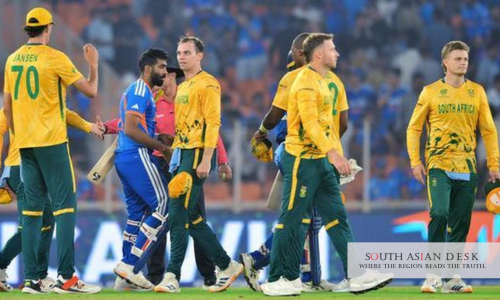
ICC and PCB officials hold urgent meeting in Lahore amid ongoing T20 World Cup 2026 standoff over Pakistan’s refusal to play India on February 15.
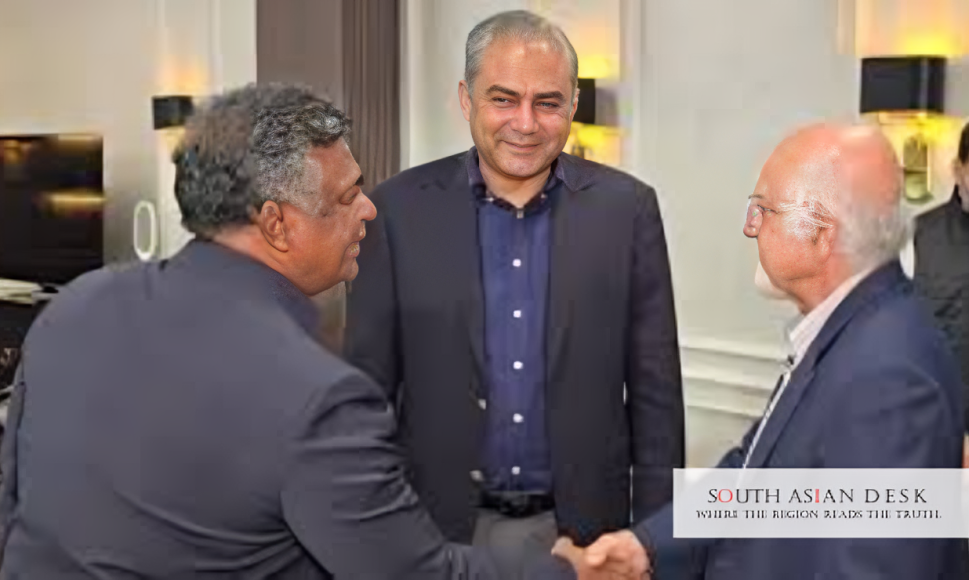
International Cricket Council (ICC) and Pakistan Cricket Board (PCB) officials met in Lahore on Sunday, February 8, 2026, to address Pakistan India match boycott in the ongoing ICC Men’s T20 World Cup 2026. The discussions, held at Gaddafi Stadium, involved ICC Deputy Chair Imran Khawaja, PCB Chairman Mohsin Naqvi, and Bangladesh Cricket Board (BCB) President Aminul Islam Bulbul. The focus centred on resolving the impasse that has overshadowed the tournament since its start on February 7.
Pakistan decided to boycott the scheduled group-stage clash against India in Colombo on February 15 as a gesture of solidarity with Bangladesh cricket following Bangladesh’s removal from the competition. Bangladesh withdrew after the ICC rejected its request to relocate matches from India due to security concerns. Scotland replaced Bangladesh in the 20-team event.
Prime Minister Shehbaz Sharif confirmed the Pakistan India match boycott decision in a cabinet address, describing it as a “very considered stance” to “completely stand by Bangladesh.” He emphasised that politics should not interfere in sport while reiterating support for Bangladesh after the ICC’s handling of the venue issue.
The ICC issued a statement highlighting concerns over selective participation. It noted that such a position is difficult to reconcile with the fundamental premise of a global sporting event where all qualified teams compete on equal terms per the schedule. The ICC prioritised successful delivery of the tournament and expected the PCB to explore a mutually acceptable resolution protecting all stakeholders’ interests.
ICC PCB Meeting Lahore Focuses on Resolution
The Lahore meeting followed back-channel efforts by the ICC to avert the boycott. Imran Khawaja arrived in Lahore and met Mohsin Naqvi, with Aminul Islam Bulbul joining to underscore regional solidarity. BCB President Bulbul’s presence highlighted Pakistan solidarity Bangladesh cricket amid the dispute.
No immediate outcome emerged from the talks. Sources indicated any resolution requires endorsement from the Government of Pakistan. The PCB has reportedly presented conditions during discussions, including increased compensation for Bangladesh, a participation fee despite ouster, and future ICC event hosting rights for Pakistan.
Pakistan has participated in other matches, securing a win over the Netherlands in their opener. Forfeiting the India fixture would result in a two-point deduction and net run rate impact, affecting progression prospects.
The India-Pakistan encounter remains one of cricket’s most lucrative fixtures, generating millions in broadcast, sponsorship, and advertising revenue. Sri Lanka Cricket urged Pakistan to reconsider, citing potential financial losses and harm to tourism recovery efforts post-2022 economic challenges.
T20 World Cup 2026 Boycott Roots in Regional Tensions
The T20 World Cup 2026 boycott stems from escalating political tensions. Bangladesh refused to play in India, prompting ICC rejection of relocation proposals to Sri Lanka. Pakistan’s government directed the team to skip the India match in protest against the ICC’s decision, viewed as biased.
PCB Captain Salman Agha noted that if Pakistan advances to face India in a semi-final or final, further government consultation would occur.
The ICC has engaged in structured dialogue to resolve the issue without confrontation. Financial implications loom large, with warnings that the boycott could disrupt the global cricket ecosystem due to lost revenue from the high-profile clash.
Background
The ICC Men’s T20 World Cup 2026, co-hosted primarily by India and Sri Lanka, features 20 teams. Political issues have dominated headlines since Bangladesh’s withdrawal. Pakistan opted for calibrated participation, competing fully except against India, reflecting government directives tied to solidarity with Bangladesh.
This marks a rare instance of geopolitical factors directly impacting a major ICC event schedule. The boycott decision drew ICC criticism for undermining sporting integrity and fan expectations.
What’s Next in Pakistan India Match Boycott
Discussions continue, with potential for a virtual ICC follow-up involving broader members. An announcement on the February 15 fixture awaits government approval in Pakistan. The outcome will determine if the Pakistan India match boycott proceeds or reverses, influencing tournament integrity and stakeholder interests in South Asian cricket.
The resolution holds significance for maintaining competitive balance and financial stability in global cricket, particularly amid regional dynamics.
Published in SouthAsianDesk, February 9th, 2026
Follow SouthAsianDesk on X, Instagram and Facebook for insights on business and current affairs from across South Asia.