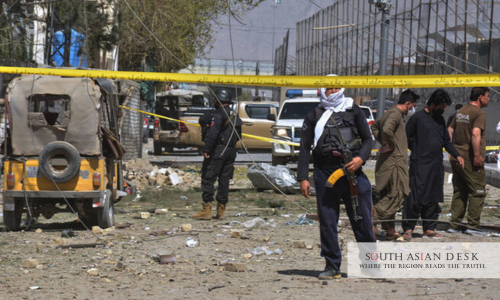
Militant-linked violence in Pakistan soared 46 per cent in the third quarter of 2025, the Centre for Research and Security Studies (CRSS) reported on Monday. The Islamabad-based group documented 329 incidents, including terrorist strikes and counter-terrorism efforts, that claimed 901 lives and injured 599 others. This escalation, driven by heightened militant assaults in Khyber Pakhtunkhwa and Balochistan, marks the deadliest quarter since 2014. Officials attribute the rise to cross-border incursions, while security forces intensify responses.
Why This Surge Matters for South Asia
The Pakistan terrorism surge 46 per cent CRSS report exposes vulnerabilities that ripple beyond borders. Militant groups exploit Afghanistan’s instability to launch raids, straining Islamabad-Kabul ties and complicating India’s security calculus along shared frontiers. With fatalities nearing 2024’s full-year total in just nine months, the violence threatens economic corridors like the China-Pakistan Economic Corridor and fuels refugee flows. Regional powers must prioritise intelligence-sharing to prevent spillover, as unchecked militancy could ignite broader conflicts. This trend underscores South Asia’s fragile peace, where local insurgencies intersect with global jihadist networks.
Pakistan Terrorism Surge 46% CRSS Report: Key Findings
The CRSS tracked a sharp uptick in violence from July to September 2025. Incidents jumped from 225 in the prior quarter, reflecting both bolder militant tactics and robust state countermeasures. Fatalities climbed to 901, up from 617 previously, while injuries rose to 599. Civilians bore the brunt, comprising 35 per cent of deaths, alongside 28 per cent security personnel and 37 per cent militants.
Breakdown by Province
Khyber Pakhtunkhwa saw the highest toll, with 212 incidents killing 512 people. Border districts like North Waziristan and Bajaur faced relentless Tehreek-i-Taliban Pakistan (TTP) ambushes. Balochistan recorded 87 attacks, claiming 289 lives, as Baloch separatists targeted infrastructure. Punjab and Sindh reported fewer events, but urban bombings in Lahore and Karachi heightened public fear. The federal capital witnessed sporadic clashes, including a September grenade attack on a police post.
Involved Groups and Tactics
TTP led with 142 assaults, using improvised explosive devices and suicide bombings. The group, banned as Fitna al Khawarij, claimed responsibility for the Jaffar Express train attack that killed 42 in August. Balochistan Liberation Army (BLA) staged 56 operations, hitting Gwadar Port and mining sites. Islamic State-Khorasan Province conducted 23 hits, focusing on sectarian targets. Analysts note a tactical shift: militants favour hit-and-run raids over large-scale assaults, exploiting rugged terrain.
The report highlights a pivot in casualty sources. Security operations accounted for 52 per cent of deaths up from 33 per cent in 2024 inflicting heavy losses on insurgents. Terror attacks caused the rest, a pattern CRSS links to post-2021 Afghan Taliban gains providing safe havens.
Government Actions Amid Pakistan Militant-Linked Violence Soars
Pakistan’s leadership vows sustained crackdowns. Interior Minister Mohsin Naqvi praised security forces for two Balochistan operations that eliminated 13 militants last week. “The security forces foiled the nefarious designs of Indian-sponsored terrorists,” Naqvi stated in a ministry release. He added that such efforts aim to establish peace and support development in the resource-rich province. Operations continue, targeting hideouts near the Afghan and Iranian borders.
In a bilateral forum, Pakistan reaffirmed counter-terrorism priorities. A US-Pakistan dialogue in Islamabad on August 12 condemned recent atrocities, including the Khuzdar school bus bombing that killed 15 children. The joint statement applauded Islamabad’s “continued successes in containing terrorist entities” threatening regional peace. Both sides committed to bolstering institutional frameworks against groups like TTP, BLA, and ISIS-K. “Sustained engagement remains vital to countering terrorism,” it noted, pledging multilateral cooperation via the United Nations.
Security analysts credit border fencing which is now 98 per cent complete along the Durand Line for curbing infiltrations. Yet challenges persist. The National Counter Terrorism Authority (NACTA) reports a 25 per cent rise in TTP recruits, drawn from disillusioned youth. Provincial police enhancements, including 5,000 new recruits in Khyber Pakhtunkhwa, bolster local responses.
Background: Roots of the Pakistan Terrorism Surge 46% CRSS Report
Militancy in Pakistan traces to the 1980s Soviet-Afghan war, when jihadist networks formed. Post-9/11 operations dismantled al-Qaeda hubs but birthed TTP in 2007. The 2021 US withdrawal from Afghanistan revived cross-border threats, with TTP attacks tripling since. Baloch grievances over resource exploitation fuel BLA’s ethnic insurgency, claiming over 200 lives yearly.
The CRSS data aligns with trends: first-half 2025 fatalities hit 1,513, pushing the nine-month total to 2,414, 58 per cent above 2023’s same period. If unchecked, 2025 could exceed 3,000 deaths, the worst since 2013’s 3,192.
Village councils in tribal areas warn of civilian risks from airstrikes. Opposition figures criticised a September raid for collateral damage, though officials deny excesses.
What’s Next for Curbing Pakistan Militant-Linked Violence Soars
Islamabad plans expanded drone surveillance and joint patrols with Afghanistan, despite Kabul’s denials of harbouring militants. NACTA eyes de-radicalisation programmes, targeting 10,000 at-risk individuals. International aid, including US capacity-building grants worth USD 50 million, supports training.
Experts urge political outreach in Balochistan to address autonomy demands. Enhanced Afghan cooperation could stem TTP flows, but tensions over water and refugees complicate talks.
As Pakistan militant-linked violence soars, resolute action offers hope. Security forces neutralised 1,200 insurgents this year, proving resilience. Yet lasting peace demands addressing root causes, poverty, marginalisation, and external meddling to shield future generations.
Published in SouthAsianDesk, October 7th, 2025
Follow SouthAsianDesk on X, Instagram, and Facebook for insights on business and current affairs from across South Asia.