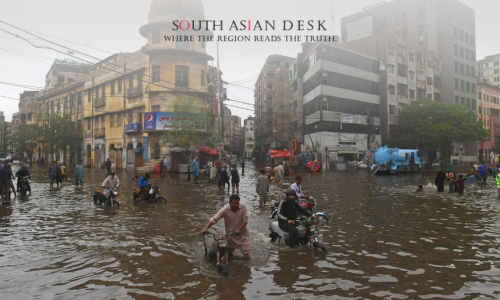
A powerful monsoon spell starts today, Thursday, August 29, 2025, across Pakistan, with the Pakistan Meteorological Department (PMD) forecasting heavy to very heavy rainfall in Punjab, Khyber Pakhtunkhwa, Sindh, Balochistan, Gilgit-Baltistan, and Azad Jammu and Kashmir (AJK) until Monday, September 2, 2025. The intense weather, driven by strong monsoon currents from the Arabian Sea and Bay of Bengal, combined with a westerly wave, could exacerbate flooding in a country already reeling from devastating monsoon rains that have killed nearly 800 people since late June.
Pakistan is Struggling in This Monsoon Spell
Pakistan, one of the world’s most climate-vulnerable nations, faces recurring monsoon-related disasters, with this year’s floods already causing significant loss of life and property. The new spell heightens risks for millions, particularly in flood-prone Punjab and Khyber Pakhtunkhwa, straining national disaster response capabilities.
Heavy Rainfall and Flood Risks
The PMD warns that the monsoon currents will bring widespread rain, with isolated heavy falls expected in several regions. In Khyber Pakhtunkhwa, districts like Swat, Buner, and Peshawar are at risk of flash floods and landslides due to intense rainfall. Punjab, including major cities like Lahore and Rawalpindi, faces urban flooding threats, with rivers such as the Chenab, Ravi, and Sutlej already at high levels. According to the NDMA on X, the River Chenab at Marala, Khanki, and Qadirabad may reach exceptionally high flood levels within 24 hours from 11:00 PM on Tuesday, August 26, 2025.
In Sindh, urban areas like Karachi, which experienced severe flooding earlier this month, are expected to see rainfall on Saturday, August 30, and Sunday, August 31, 2025. Balochistan’s hilly regions, including Zhob and Kalat, may also face flash floods. The PMD has issued urban flooding warnings for Islamabad, Lahore, and Peshawar, urging residents to avoid low-lying areas.
Impact on Communities
The ongoing monsoon season has already claimed 776 lives, including 197 children, and injured 993 people, according to the National Disaster Management Authority (NDMA). Over 4,000 homes have been damaged, and more than 1,000 livestock lost. Khyber Pakhtunkhwa has been the hardest hit, with 368 deaths reported between August 15 and August 19, 2025. In Buner district, a cloudburst on Friday, August 15, 2025, dumped 150 mm of rain in one hour, killing over 200 people in a single event.
Punjab, Pakistan’s most populous province, faces heightened risks as India has released water from the Thein and Madhopur dams, increasing river flows. According to Pakistan’s Ministry of Foreign Affairs, India shared flood warnings on humanitarian grounds, bypassing the Indus Waters Commission. This has raised concerns about downstream flooding in Punjab, where 150,000 people have been displaced since mid-August.
Government and Relief Efforts
The NDMA is coordinating with provincial authorities to preposition relief supplies and conduct rescues. In Khyber Pakhtunkhwa, the army and air force have rescued over 25,000 people, with 2,300 treated in medical camps on Wednesday, August 27, 2025. According to the NDMA, relief camps are providing dry rations and tents to affected families. However, the United Nations Office for the Coordination of Humanitarian Affairs (OCHA) warns that pre-positioned aid supplies are insufficient, particularly for shelter and nutrition needs.
Climate Change and Infrastructure Challenges
Experts attribute the increasing intensity of monsoon rains to climate change, which has amplified rainfall by about 15% this year, according to a study by international scientists. Rapid urbanisation, deforestation, and poor drainage systems exacerbate flooding in cities like Karachi and Lahore. In rural areas, loose soil and steep slopes contribute to landslides, as seen in Buner and Swat.
Looking Ahead
As another monsoon spell starts today, Pakistan faces a critical period with forecasts of continued heavy rainfall until September 2, 2025. The NDMA and PMD urge residents to follow safety advisories, avoid flood-prone areas, and monitor weather updates. With the monsoon season extending into early September, the nation’s resilience will be tested as it grapples with recurring floods and their devastating impacts.
Published in SouthAsianDesk, August 29th, 2025
Follow SouthAsianDesk on X, Instagram, and Facebook for insights on business and current affairs from across South Asia.