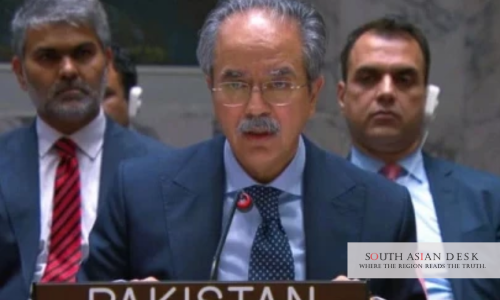
Pakistan has reiterated its opposition to the expansion of UNSC permanent seats in the United Nations Security Council, arguing that such a move would exacerbate the body’s dysfunction and undermine the principle of sovereign equality. This stance was articulated by Ambassador Asim Iftikhar Ahmad, Pakistan’s permanent representative to the UN, during a session of the Intergovernmental Negotiations (IGN) on February 22, 2026.
As a member of the Uniting for Consensus (UfC) group, Pakistan supports the expansion of only non-permanent, elected seats to enhance democratic representation. Ambassador Ahmad emphasized that the campaign for individual permanent membership contradicts the principles of reform. The UfC group, led by Italy and Pakistan, has proposed a new category of members with longer terms and re-election possibilities, countering the G-4 nations—India, Brazil, Germany, and Japan—who seek permanent seats.
Pakistan’s Position on UNSC Permanent Seats
The IGN framework, initiated in the General Assembly in February 2009, focuses on five key areas: membership categories, veto power, regional representation, council size, and working methods. Despite ongoing negotiations, progress remains stalled due to conflicting interests.
Ambassador Ahmad highlighted that the majority of UN members recognize that permanent membership and the veto are central to the Security Council’s frequent paralysis. The Uniting for Consensus proposal aims to ensure reform that benefits all, without creating new centers of privilege.
Published in SouthAsianDesk, February 22nd, 2026
Follow SouthAsianDesk on X, Instagram and Facebook for insights on business and current affairs from across South Asia.