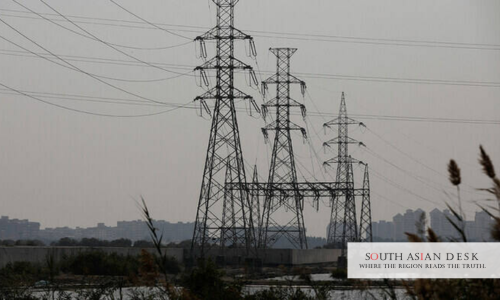
Islamabad, 19 January 2026: Pakistan has rolled out key power reforms by scrapping plans to procure 8,000 MW of expensive electricity. The move, announced by Power Minister Sardar Awais Ahmed Khan Leghari on 18 January 2026, aims to save $17 billion while reducing consumer burdens and aligning with IMF conditions.
These Pakistan power reforms address chronic issues in the energy sector, a major drain on national finances in South Asia. With high circular debt and surplus capacity common in the region, such steps could inspire similar fiscal tightening in neighbouring countries facing energy inefficiencies and IMF oversight.
Pakistan 8000 MW Drop in Procurement
The Pakistan 8000 MW drop involves halting future contracts for costly power generation. Leghari stated during a press conference: “The government has abandoned the procurement of around 8000 megawatts of expensive electricity purely on merit, which will likely to save 17 billion dollars.”
This decision targets surplus capacity that has led to unused payments. Pakistan historically over-contracted generation, resulting in high tariffs and fiscal strain. The reforms shift focus to efficient use of existing resources.
Pakistan 17 Billion Savings from Reforms
The Pakistan 17 billion savings stem from avoiding unnecessary projects and negotiating with independent power producers. Reports indicate Rs4,743 billion (equivalent to $17 billion) in projected cost reductions by excluding 7,967 MW of high-cost initiatives.
Additional gains include lower distribution company losses, down from Rs586 billion to Rs393 billion. Circular debt fell by Rs780 billion last year, with recoveries up by Rs183 billion. Electricity tariffs dropped 20 percent nationally over two years.
Leghari expressed optimism: “Prices would be aligned with international levels within the next 18 months.”
Pakistan IMF Power Sector Conditions
The Pakistan IMF power reforms are tied to a $7 billion program approved in 2024. The 37-month Extended Fund Facility and 28-month Resilience and Sustainability Facility require electricity pricing adjustments, loss reductions, and new liability limits.
IMF conditions emphasise governance improvements in distribution companies and private sector involvement. These measures aim to stabilise finances and boost investor confidence amid repeated bailouts.
The second EFF review and first RSF review concluded on 8 December 2025. Power sector changes form a core part of enabling economic growth.
Background on Pakistan Power Challenges
Pakistan’s power sector has long suffered from mismatches between supply and demand. Surplus generation led to capacity payments for idle plants, inflating circular debt beyond sustainable levels.
Past governments signed expensive contracts, exacerbating the issue. Recent efforts absorb losses rather than pass them to consumers, easing household and industrial pressures.
In South Asia, similar problems plague India and Bangladesh, where energy subsidies strain budgets. Pakistan’s approach could serve as a model for regional reform.
Implications of Pakistan Power Reforms
These reforms reduce fiscal stress but pose political risks. Higher tariffs under IMF terms affect low-income groups, though recent cuts provide relief.
Industry benefits from stable supply and lower costs, potentially spurring growth. Environmental gains may follow if inefficient plants are phased out.
The Pakistan 8000 MW drop prevents further surplus buildup. Combined with the Pakistan 17 billion savings, it strengthens compliance with Pakistan IMF power mandates.
What’s Next
Ongoing negotiations with producers and IMF reviews will shape implementation. Monitoring circular debt and tariff stability remains key.
The Pakistan power reforms mark a pivotal shift toward sustainable energy management.
Published in SouthAsianDesk, January 19th, 2026
Follow SouthAsianDesk on X, Instagram and Facebook for insights on business and current affairs from across South Asia.