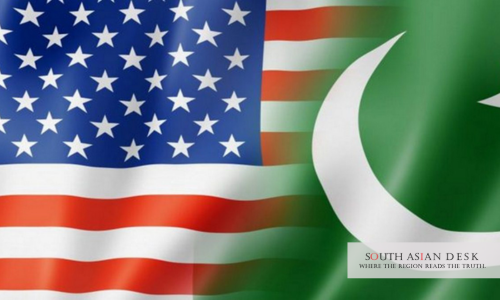
A high-level Pakistani delegation is set to visit Washington in late July 2025 for trade negotiations with US officials, aiming to secure a reduction in the 29% tariff currently levied on Pakistani exports. This duty was imposed under the Trump administration and has become a major barrier for Pakistan’s key exports, especially textiles.
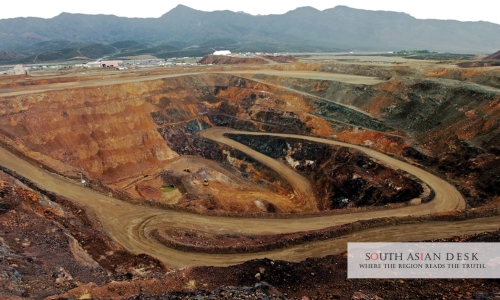
The delegation follows earlier visits by Deputy Prime Minister and Foreign Minister Mohammad Ishaq Dar and Finance Minister Muhammad Aurangzeb, who recently met with US Commerce Secretary Howard Lutnick and Trade Representative Jamieson Greer. According to officials familiar with the talks, Pakistan is proposing to balance trade ties by increasing imports of US goods, such as soybeans and crude oil, and by encouraging American investment in sectors like mining — with strategic projects like Reko Diq on the table.
With Pakistan’s textile industry heavily reliant on US markets — contributing to a $5 billion annual trade surplus — the 29% tariff poses a significant risk to export revenue. A temporary 90-day suspension of the tariff, currently in effect, is set to expire on July 9, 2025. This timeline has intensified Islamabad’s push for a permanent framework that can shield its export-driven economy from sudden trade disruptions.
Posts on X (formerly Twitter) from government representatives suggest cautious optimism, with both sides reportedly pleased with the progress made during prior rounds of dialogue. These negotiations also reflect a warming of broader US-Pakistan relations — underscored by a rare White House meeting between President Trump and Pakistan’s Army Chief, Field Marshal Asim Munir — signaling potential shifts in both economic cooperation and strategic alignment.
As the July talks approach, stakeholders on both sides are watching closely. For Pakistan, the outcome could shape the trajectory of its trade policy and economic recovery for years to come.
Published in SouthAsianDesk, July 24th, 2025
Follow SouthAsianDesk on X, Instagram and Facebook for insights on business and current affairs from across South Asia.