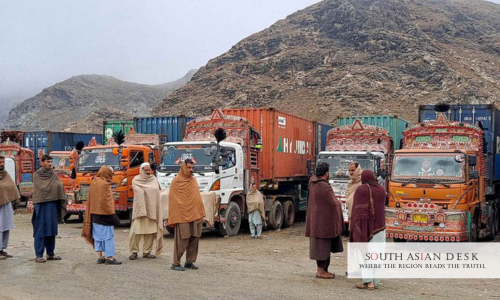
Lahore, December 13, 2025 – Goods transporters across Pakistan halted operations for a sixth day on Saturday, protesting the Punjab traffic ordinance 2025. The wheel jam strike Pakistan has triggered widespread supply chain delays, with exporters facing losses estimated at billions of rupees. Association leaders demand immediate suspension of harsh clauses amid failed talks.
The Pakistan transporters strike began on December 8, paralysing transport from Punjab to Sindh and beyond. Thousands of trucks and trailers remain off roads, stranding cargo at Karachi Port. Traders report empty wholesale markets in Lahore, as no goods move to other cities. This action stems from frustration over the Punjab traffic ordinance 2025, which allows field officers to impose heavy fines and file FIRs for minor violations.
Industry groups view the ordinance as anti-business. It empowers enforcement teams to seize vehicles without due process, they claim. The halt affects daily life and commerce in South Asia’s key trade hub. Pakistan relies on road transport for 90 per cent of freight, per government data. Disruptions ripple to neighbouring countries, delaying exports to India and Afghanistan. Food prices may rise soon, hitting urban consumers hardest. Exporters warn of missed international deadlines, eroding Pakistan’s competitiveness in textiles and agriculture.
Wheel Jam Strike Pakistan Halts Nationwide Logistics
The wheel jam strike Pakistan escalated quickly. On Monday, transporters locked wheels in Lahore, Rawalpindi, and Islamabad. Protests spread to Sindh by Tuesday, closing major highways. Only essential services operate, but goods transporters demands remain unmet.
All Pakistan Goods Transport Association (APGTA) leads the charge. President Nabeel Tariq confirmed the strike’s continuation in a statement. “We called off partial actions after talks, but core issues persist,” Tariq said. He highlighted vessel delays at Karachi’s three ports, where imports from China and Europe pile up.
Two smaller groups, Mazda Goods Transport Association and Punjab Goods Transport Alliance, ended their participation on Saturday. They met Lahore’s Deputy Inspector General of Police, who promised resolutions. “As the DIG assured us to resolve the issue, we decided to call off the strike,” said Muhammad Attique, an office-bearer. These groups plan meetings with Punjab Chief Minister Maryam Nawaz and Senior Minister Marriyum Aurangzeb on Sunday.
Major associations rejected this move. All Pakistan Truck Trailer Owners Association chief Lala Yasir Naseer vowed persistence. “We will only call off the strike after suspension of the disputed clauses,” Naseer stated at a Lahore press conference. Transporters of Goods Association (TGA) Chairman Tariq Gujjar echoed this. “We stand with Punjab and other provinces until demands are accepted,” Gujjar added.
Economic fallout mounts. Pakistan Textile Exporters Association (PTEA) reports PKR 5 billion in daily losses from stalled shipments. Wholesale markets in Lahore see zero outbound transport. “No business in Lahore or Punjab. Activities halted in Sindh too,” said All Pakistan Anjuman Tajiran (APAT) General Secretary Naeem Mir. He criticised repeated departmental raids on traders, compounding strike woes.
Goods Transporters Demands Target Punjab Traffic Ordinance 2025
Goods transporters demands centre on the Punjab traffic ordinance 2025. The Pakistan Transport Alliance presented a 12-point charter last week. Key asks include full withdrawal of the ordinance. They seek an end to FIRs against drivers for technical faults. Associations demand simplified vehicle fitness checks and lower toll taxes.
Further, they call for removing unnecessary toll plazas. Improvements to the vehicle passing system top the list. “We offer to facilitate driving tests for truck drivers and issue licences to successful ones,” stated a Business Recorder report quoting alliance members. This aims to professionalise the sector without punitive measures.
The ordinance, enacted in November 2025, targets road safety. It raises fines for overloading to PKR 50,000 and mandates digital tracking. Supporters say it curbs accidents, which claim 10,000 lives yearly in Punjab. Critics label it overreach. Enforcement officers now act as judges, transporters argue.
Government responses mix assurance and denial. Senior Minister Marriyum Aurangzeb met a delegation on Friday. She dismissed reports of suspending the ordinance. “No order issued to halt implementation,” Aurangzeb clarified in a statement. Yet, action committee member Lala Yasir Naseer claimed partial acceptance. “We called off the strike following government nod on demands,” Naseer said.
Lahore High Court weighed in earlier. On Thursday, it refused to suspend the Punjab traffic ordinance 2025. Justices cited need for broader hearings. Petitioners argued violations of due process rights under the constitution.
Background: Roots of the Pakistan Transporters Strike
The Pakistan transporters strike builds on long-standing tensions. Punjab introduced the traffic ordinance 2025 to modernise enforcement. It follows a 2024 audit revealing 40 per cent of heavy vehicles unfit for roads. Fines fund infrastructure, officials say.
Transporters counter that implementation lacks consultation. Past strikes in 2023 over fuel levies yielded concessions. This time, arrests of 50 drivers last week ignited fury. Vehicle seizures without hearings followed overloading checks.
Nationwide scope underscores unity. Sindh transporters joined, protesting similar federal rules. Karachi Port handles 60 per cent of Pakistan’s trade. Six-day delays risk spoilage of perishable goods like fruits bound for the UAE.
APAT links this to broader economic strain. Inflation at 12 per cent squeezes margins. “Why treat us like May 9 culprits?” Mir asked, referencing 2023 riot probes. Traders face daily inspections from multiple agencies, he noted.
What’s Next for the Wheel Jam Strike Pakistan
Talks resume Sunday. Major groups demand national-level intervention. They seek federal involvement before easing the wheel jam strike Pakistan. Punjab officials hint at amendments, but details remain vague.
Exporters urge swift resolution. PTEA warns of job cuts if delays persist. Public transport faces secondary effects, with fuel queues forming in Lahore.
The Pakistan transporters strike tests governance in Punjab. Resolution could stabilise supply chains vital to South Asia. Failure risks prolonged unrest, deepening economic woes.
Published in SouthAsianDesk, December 13th, 2025
Follow SouthAsianDesk on X, Instagram, and Facebook for insights on business and current affairs from across South Asia.