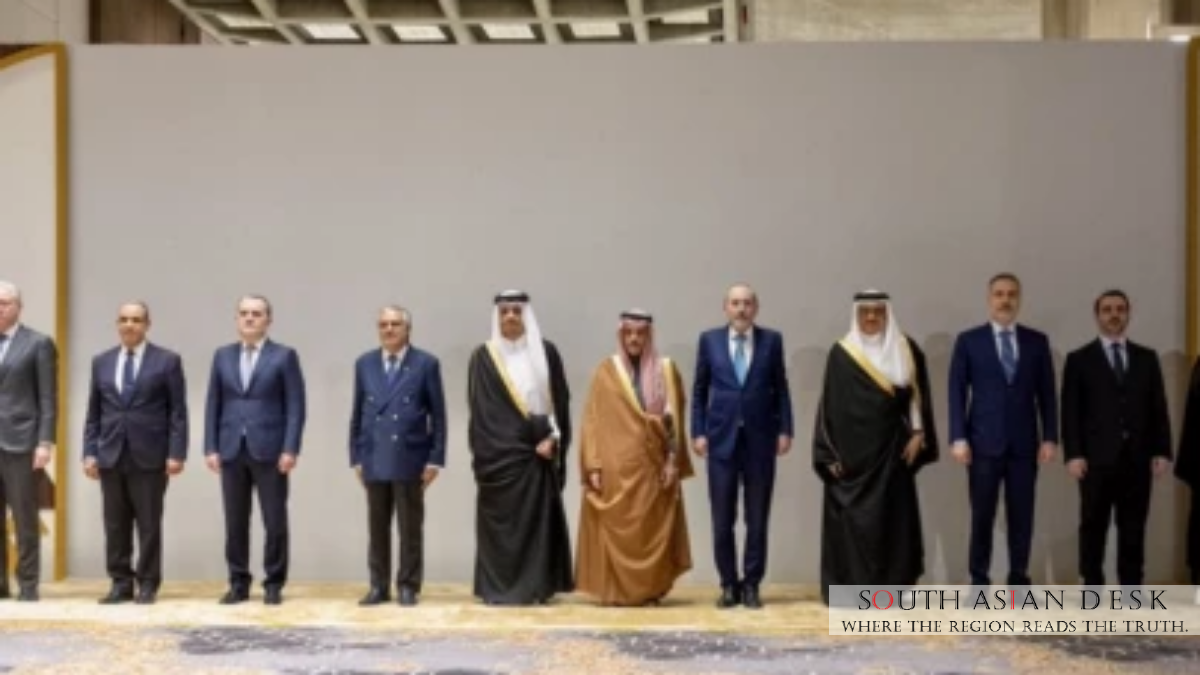
On March 18, 2026, Pakistan, alongside 11 other Islamic countries, issued a joint statement urging Iran to immediately halt its attacks on Gulf Cooperation Council countries and regional allies. This declaration followed a consultative ministerial meeting held in Riyadh to discuss diplomatic efforts to de-escalate the ongoing conflict in the Middle East.
The meeting occurs amidst intensified conflict involving the United States and Israel against Iran, which has deepened regional instability. Iranian state television reported that Iran targeted Tel Aviv with missiles carrying cluster warheads in retaliation for the assassination of Iran’s security chief, Ali Larijani, by Israel.
According to a statement released by the Saudi Press Agency, ministers from countries including Azerbaijan, Bahrain, Egypt, Jordan, Kuwait, Lebanon, Pakistan, Qatar, Saudi Arabia, Syria, Türkiye, and the United Arab Emirates condemned Iran’s attacks using ballistic missiles and drones. These assaults have targeted residential areas, civilian infrastructure, and diplomatic premises, raising significant humanitarian concerns.
The statement emphasized that such attacks are unjustifiable and highlighted the right of states to self-defense as per Article 51 of the United Nations Charter. It called on Iran to respect international law and principles of good neighborliness as essential steps toward regional stability and diplomacy.
Ministers also stressed the importance of Iran adhering to UN Security Council Resolution 2817, which demands an immediate halt to all attacks and cessation of support to militias in Arab countries. They urged Iran to avoid actions that threaten international navigation, particularly in the strategic Strait of Hormuz.
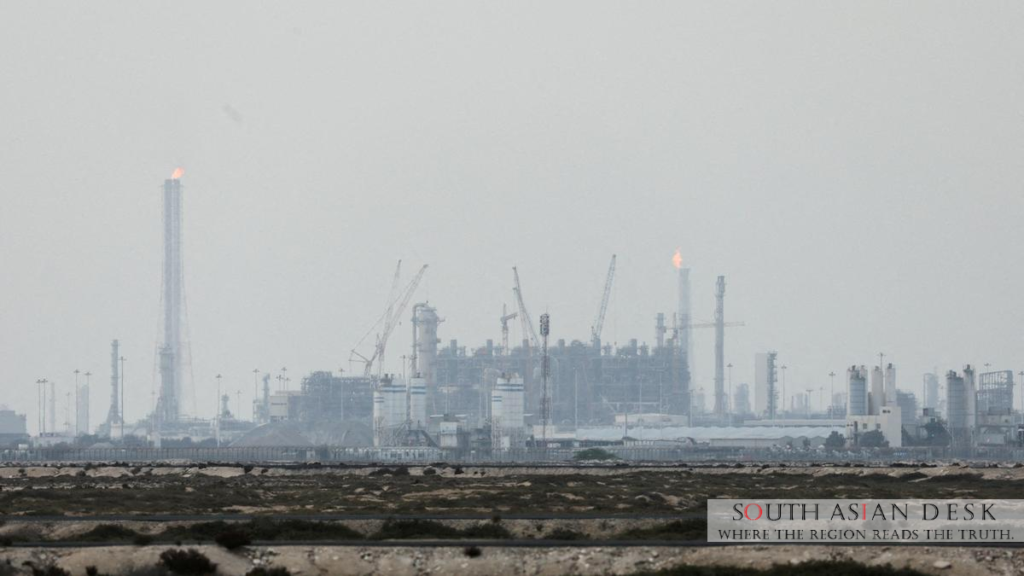
The escalation has severely impacted infrastructure across Gulf countries, affecting airports, ports, and oil facilities. Disruptions in the Strait of Hormuz, a vital route for global petroleum and liquefied natural gas, have intensified economic concerns.
In Lebanon, the ministers reaffirmed support for its security and territorial integrity, condemning Israel’s aggressive actions and expansionist policies. The statement concluded with a commitment to ongoing consultation and coordination among the nations to protect their security and sovereignty.
Pakistan’s Foreign Minister Ishaq Dar, present at the Riyadh talks, reiterated Pakistan’s diplomatic stance amid rising tensions. Earlier, Prime Minister Shehbaz Sharif visited Riyadh for discussions with Saudi Crown Prince Mohammed bin Salman, highlighting Pakistan’s strategic commitment to Saudi Arabia while urging restraint to prevent broader conflict.
Published in SouthAsianDesk, March 19, 2026
Follow SouthAsianDesk on X, Instagram and Facebook for insights on business and current affairs from across South Asia.