Pakistan’s ambassador to the US met congressional leaders in Washington on 8 January 2026, pushing for a high-level Pakistan US economic dialogue while flagging regional security concerns Pakistan faces from Afghanistan terrorism Pakistan.
Pakistan seeks to deepen ties with the US through structured economic engagement. This move holds significance for South Asia, where stable relations could foster trade growth and counter instability from cross-border threats, benefiting over 1.7 billion people in the region.
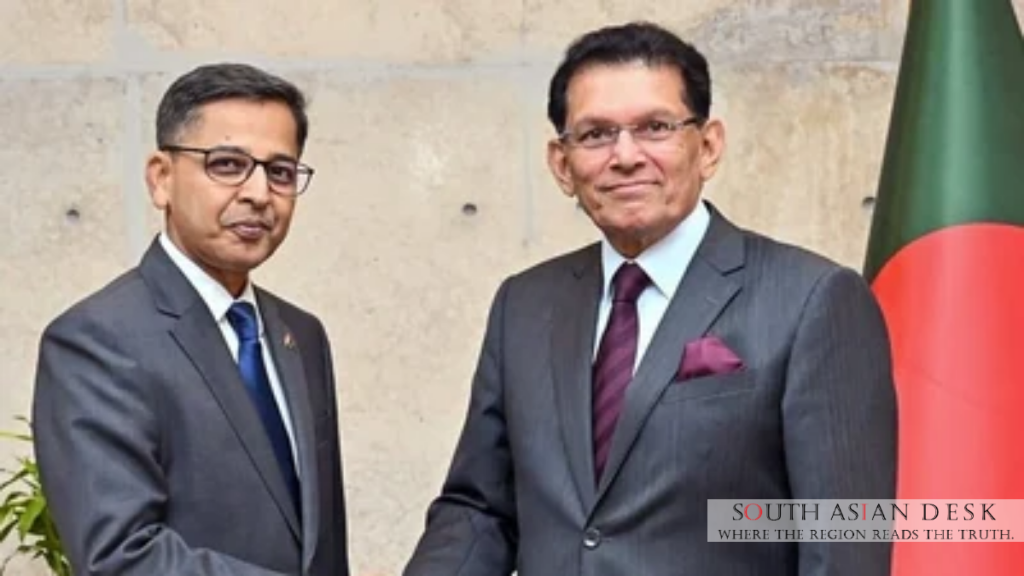
Pakistan’s Ambassador Rizwan Saeed Sheikh held separate meetings with US House Foreign Affairs Committee Chairman Brian Mast and House Armed Services Committee Chairman Mike Rogers. The discussions centred on advancing Pakistan US economic dialogue to shift focus from geopolitics to geoeconomics.
Pakistan US Economic Dialogue Details
Ambassador Sheikh called for initiating a high-level Pakistan US economic dialogue at the earliest. He proposed declaring 2026 as a year of action to translate intentions into concrete outcomes. Key sectors identified for cooperation include energy, defence, minerals, information technology and artificial intelligence.
Pakistan positions itself as a reliable partner with low-cost, high-quality manufacturing. Surgical instruments from Pakistan hold global recognition for quality. Textiles and sports goods also offer strong export potential to the US market. Sheikh noted that footballs made in Sialkot have featured in five consecutive FIFA World Cups.
A favourable trade environment could boost Pakistan US trade deal prospects. Current exports in textiles and other goods stand to increase with targeted attention. US Secretary of State Marco Rubio has described the relationship as having significant untapped potential. He stated that closer engagement with Pakistan does not undermine US ties with India.
US President Donald Trump has mentioned strains with India over tariffs. He said he maintains a good relationship with Prime Minister Modi but noted dissatisfaction due to imposed tariffs.
Regional Security Concerns Pakistan
The meetings also addressed regional security concerns Pakistan encounters. Ambassador Sheikh highlighted escalating terrorism originating from Afghanistan. Terrorist incidents in Pakistan rose by 40 per cent in 2024 and a further 25 per cent in 2025. He attributed this surge to militant groups operating from Afghan soil.
Concern persists over the misuse of advanced weapons left behind after the US withdrawal from Afghanistan in 2021. Sheikh stressed the urgent need to address this leftover military equipment to prevent further threats.
In South Asia, tensions escalated in May 2025 due to India’s actions. Sheikh described India’s behaviour as irresponsible and aggressive, lowering the threshold for conflict between two nuclear-armed nations. Dual-capable weapons now factor into potential confrontations, raising alarms in a densely populated region.
The unresolved Kashmir dispute remains central. Sheikh reiterated that the right to self-determination for Kashmiris, as per UN resolutions, is essential for lasting stability. Events of May 2025 underscored the risks, with Pakistan praising US involvement in de-escalation efforts.
Pakistan seeks enhanced counter-terrorism cooperation with the US. A stable Pakistan US relationship is vital for regional and global peace. Sheikh emphasised that terrorism from Afghanistan poses threats not only to Pakistan but to international security.
Afghanistan Terrorism Pakistan Impact
Afghanistan terrorism Pakistan continues to strain resources. Militant groups, including those with reported Indian support, operate from Afghan territory. UN Security Council reports have documented entities like Fitnah Al-Khawarij and Fitnah Al Hind.
Pakistan demands verifiable assurances from Afghanistan to dismantle these groups and prevent soil usage for attacks. Without concrete actions, bilateral progress remains limited. Pakistan remains committed to positive engagement but insists on written commitments to curb cross-border threats.
Data on incident increases comes from official briefings.
Background on Pakistan-US Relations
Pakistan and the US have maintained diplomatic ties since 1947. Recent years saw shifts post-Afghanistan withdrawal. Economic focus gained traction with US investments in sectors like information technology. Google plans a Chrome assembly line in Haripur, signalling growing interest.
Phone calls between leaders, including Deputy Prime Minister Mohammad Ishaq Dar and US officials like Secretary Rubio and National Security Advisor Michael Waltz, have reinforced cooperation. Discussions covered trade, investment and counter-terrorism.
A high-level Senate delegation from Pakistan is scheduled to visit the US starting 20 January 2026. This marks a historic parliamentary engagement in the 77-year relationship.
The Board of Investment plans to register a US-Pak Business Alliance, highlighting renewed momentum. Minister Qaiser Ahmed Sheikh noted untapped opportunities in minerals and mining for US investment.
What’s Next
Future steps include launching the proposed Pakistan US economic dialogue. Ambassador Sheikh extended invitations to Mast and Rogers to visit Pakistan for strengthened ties.
A Senate visit in late January could advance discussions on Pakistan US trade deal frameworks. Ongoing engagements aim to institutionalise regular dialogue on economic and security matters.
Pakistan anticipates progress on countering Afghanistan terrorism Pakistan through joint efforts. Verifiable actions from Afghanistan could unlock regional connectivity potential.
In conclusion, advancing Pakistan US economic dialogue remains key to building a sustainable partnership amid persistent regional security concerns Pakistan.
Published in SouthAsianDesk, January 9th, 2026
Follow SouthAsianDesk on X, Instagram and Facebook for insights on business and current affairs from across South Asia.