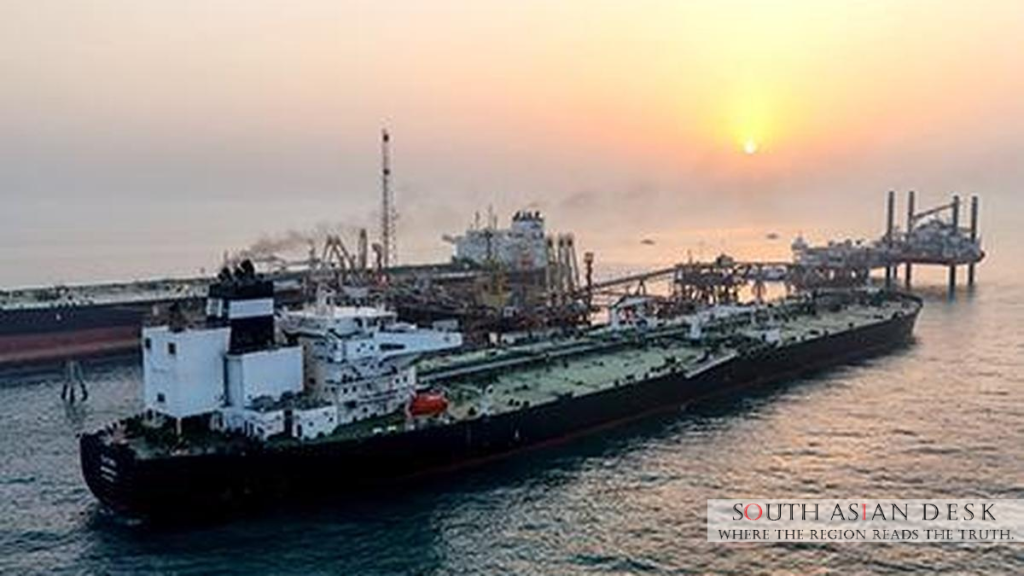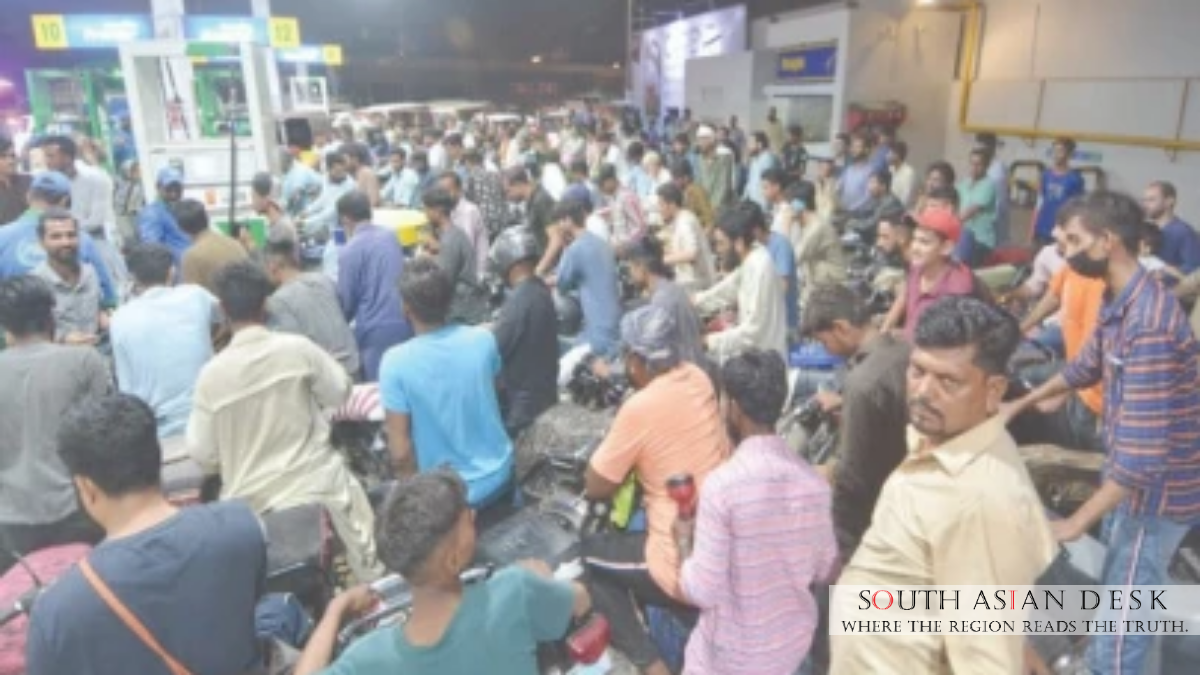
Fuel Price Surge In Pakistan: The recent surge in fuel prices has placed significant pressure on Pakistani households, highlighting the fragile economic stability of a nation heavily reliant on imported fuel. As of March 8, 2026, petrol is priced at Rs321.17 per litre, and high-speed diesel at Rs335.86 per litre. This adjustment follows a sharp increase in international oil prices, triggered by geopolitical tensions involving the United States and Israel’s controversial actions against Iran.
For many Pakistanis, this development has revived familiar anxieties. Inflation had shown signs of easing due to tight monetary policies and government efforts to stabilize prices. However, the external shock has reignited fears of rising transportation costs, higher food prices, and increasing electricity bills. Muhammad Irfan, a small grocery shop owner, expressed concerns about the ripple effect on the supply chain, stating that wholesalers and transporters would inevitably raise their rates, impacting customer relations.
The timing of this hike is particularly challenging as Pakistan observes the holy month of Ramazan, soon followed by Eid and Easter. Bilal Ahmed, a ride-hailing driver, noted the direct impact on his daily earnings, with fuel costs affecting fare calculations and customer willingness to pay. Blue-collar workers like Sajid Mehmood, a construction laborer, face increased transport fares without corresponding wage hikes, exacerbating financial strain.
Economists emphasize Pakistan’s vulnerability to global shocks, citing the Russia-Ukraine conflict and climate disasters as additional strains on public finances. Political uncertainty and ongoing negotiations with international lenders further complicate stabilization efforts. Sadia Sheikh, a schoolteacher, highlighted the unpredictability of financial planning, as global crises repeatedly disrupt personal and national economic goals.
The business community is also on edge. Faheemur Rehman Saigol, President of the Lahore Chamber of Commerce and Industry, warned of the cascading effects on supply chains, affecting food, construction materials, and consumer goods prices. Exporters face intensified competition in international markets due to high energy tariffs and financing costs. Adnan Ali, a garments workshop owner, anticipates increased operational costs, potentially leading to higher product prices.
Published in SouthAsianDesk, March 9, 2026
Follow SouthAsianDesk on X, Instagram and Facebook for insights on business and current affairs from across South Asia.