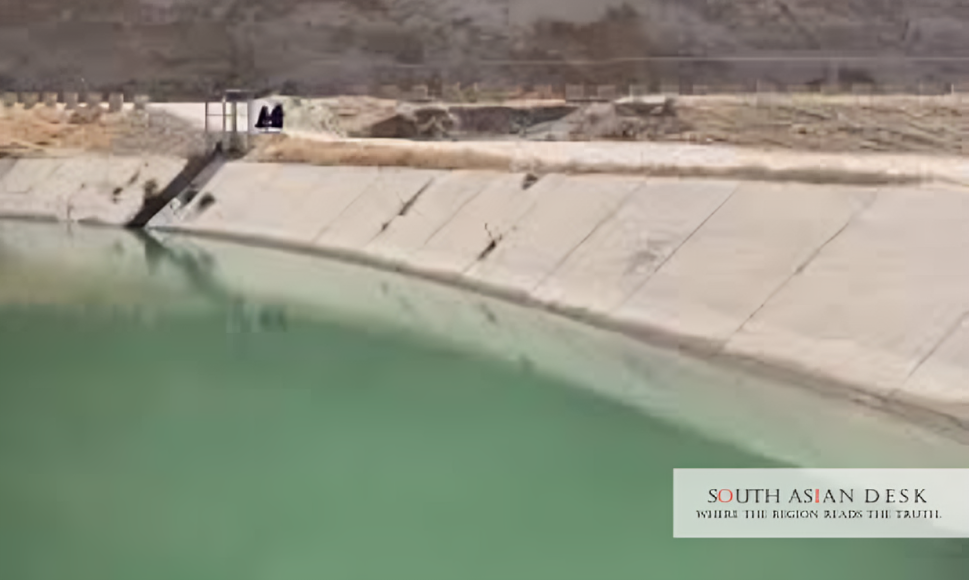
The Paranda hydropower dam inauguration took place on Thursday, November 13, 2025, in central Panjshir province. Mullah Abdul Ghani Baradar Akhund, Deputy Prime Minister for Economic Affairs, led the ceremony. The 4MW facility addresses chronic electricity shortages after a 12-year construction halt. Officials hailed it as a step toward energy self-sufficiency.
This event underscores the Taliban’s push for infrastructure revival in a region scarred by conflict. For South Asia, it highlights potential shifts in Afghanistan’s energy dynamics. Stable power could bolster trade ties with neighbours like Pakistan and Tajikistan. Exports might follow, easing regional strains on grids amid climate pressures. Yet, questions linger over funding sustainability and access equity in isolated valleys.
Taliban Inaugurates Paranda Dam in Panjshir Amid Regional Hopes
The Afghanistan Paranda 4 MW hydropower project now stands as the province’s first major government-owned facility. Built over the Paranda Valley River, it features two turbines, each producing 2MW. Construction started in 2013 under the previous administration. Work stalled due to instability. The Islamic Emirate of Afghanistan (IEA) revived it using domestic funds.
Mullah Baradar Paranda dam ceremony drew local leaders and residents. Abdul Bari Omari, CEO of Da Afghanistan Breshna Sherkat (DABS), joined the event. Panjshir Governor Mohammad Agha Hakim attended. Crowds gathered to witness the activation. The project cost $7.6 million. It targets immediate relief for households long plagued by blackouts.
Baradar addressed the assembly. “Afghanistan has abundant resources for electricity generation, from the rivers of Kunar to the sunny plains of Helmand and Farah, and from the strong winds of Herat and Nimroz to other regions,” he said. His words emphasised national potential. The deputy prime minister stressed priority on self-reliance. “Achieving self-sufficiency in electricity is a top priority for the Islamic Emirate and that fundamental efforts are underway to reach this goal,” Baradar added.
The Paranda hydropower dam inauguration marks a tangible win for the IEA. Panjshir, a northern bastion once resistant to Taliban control, now benefits directly. Residents face fewer outages. Schools and clinics gain reliable supply. This boosts daily life in a valley known for its resistance history.
Afghanistan Paranda 4 MW Hydropower Project: Technical and Economic Lift
Engineers designed the plant for efficiency. Water from the Paranda River drives the turbines. Output reaches 4MW at peak. DABS oversees operations. The utility confirmed integration into the local grid.
Economic ripples extend beyond power. Baradar linked energy to industry. “With electricity self-sufficiency, Afghanistan could export high-quality goods rather than importing low-quality products, while also attracting investment to the country,” he noted. He called on investors. The IEA pledges support for ventures in power and manufacturing.
Panjshir’s terrain suits hydro development. The province holds untapped rivers. This project tests scalability. Officials report no major environmental snags during completion. Local labour contributed to the final push. Wages supported families amid economic woes.
The Taliban inaugurates Paranda dam Panjshir initiative aligns with broader goals. Afghanistan imports most electricity from neighbours. Imports cost billions yearly. Domestic generation cuts dependence. It frees funds for reconstruction. In South Asia, this matters. Pakistan shares borders and grids. Stable Afghan supply could stabilise cross-border flows. India eyes regional connectivity too.
Challenges persist. Maintenance demands skilled workers. Flood risks threaten dams. Yet, the IEA frames this as momentum. Omari echoed optimism. “In the near future, God willing, we will witness the launch of six major power generation projects across various provinces,” he stated.
Mullah Baradar Paranda Dam Ceremony: Voices from the Ground
Attendees voiced approval. Governor Hakim praised governance. “The Islamic Emirate of Afghanistan is a responsible, committed, and sincere government to its people and its country,” he said. Locals shared stories of hardship. One resident recalled nights without light. The new flow changes that.
Baradar envisioned exports. “God willing, in the coming years, we will see a time when Afghanistan will not only no longer need to import energy, but will be able to export its surplus electricity to other countries,” he declared. This ambition stirs curiosity. Could Panjshir power reach Kabul or beyond?
The ceremony blended symbolism and substance. Flags fluttered. Prayers opened proceedings. Media captured the moment. Coverage spread quickly. It reinforces IEA narratives of progress.
Background: From Stalled Dream to Operational Reality
The Paranda hydropower dam inauguration revives a 2013 blueprint. Then, international aid flowed. Conflict disrupted funds. By 2021, the site lay dormant. The IEA prioritised it post-takeover. Domestic budgets filled gaps. No foreign loans tainted the finish.
Panjshir’s context adds layers. The valley resisted Taliban advances in 2021. Clashes left scars. Now, development signals reconciliation. Power eases tensions. It aids mining, a provincial strength. Emeralds and gold need energy.
This fits IEA patterns. Dams dot the landscape. Kajaki in Helmand, Sarobi near Kabul – all expand. The Paranda project, though small, proves feasibility. It cost less than larger peers. Lessons apply nationwide.
South Asia watches closely. Energy poverty plagues the subcontinent. Afghanistan’s hydro potential rivals Bhutan. Partnerships could emerge. Yet, sanctions complicate ties. The IEA seeks recognition through deeds like this.
What’s Next: Scaling Up the Grid
The Afghanistan Paranda 4 MW hydropower project sets a template. DABS plans those six ventures. Timelines target 2026 launches. Focus areas include Badakhshan and Kunduz. Solar and wind complement hydro.
Baradar urged private entry. “He urged businessmen and investors to invest in Afghanistan’s industrial sector, particularly in electricity production, and assured that the Islamic Emirate would provide all necessary support and facilities,” reports note. Incentives include tax breaks.
For Panjshir, maintenance crews train now. Grid extensions reach remote hamlets. The Taliban inaugurates Paranda dam Panjshir effort may inspire locals. Youth eye technical jobs.
Regionally, exports loom large. Lines to Uzbekistan exist. Pakistan talks progress. Self-sufficiency could reshape dynamics. Afghanistan aims to export, not beg.
The Paranda hydropower dam inauguration closes one chapter. It opens doors to powered futures. As turbines hum, hopes rise for a lit-up nation.
Published in SouthAsianDesk, November 15th, 2025
Follow SouthAsianDesk on X, Instagram, and Facebook for insights on business and current affairs from across South Asia.