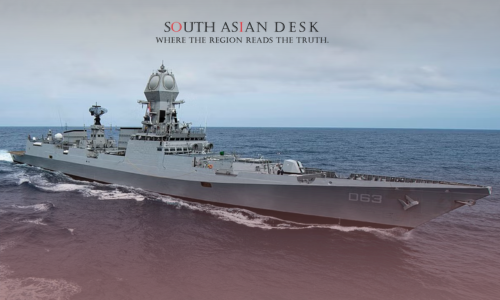
In response to growing concerns over maritime security in the Indian Ocean Region, a parliamentary panel has advised India to adopt proactive measures to address the naval threat posed by China and Pakistan. The recommendation reflects the need to safeguard national interests in a region central to trade and security, where strategic developments carry weight for communities and policymakers alike.
The panel’s report points to China’s expanding naval presence, including the development of ports and airports with dual-use potential and the operation of research vessels collecting data. With the largest naval fleet globally, featuring carrier battle groups and frequent submarine patrols, China’s activities raise questions about regional balance. Similarly, Pakistan’s navy is advancing through the acquisition of modern frigates, corvettes, and submarines, supported by close collaboration with China, including joint naval exercises.
Panel Suggestions for India on Naval Threat
To address these challenges, the panel suggests India strengthen its deterrence through enhanced surveillance technologies, such as satellites and artificial intelligence, and modernise its naval capabilities with anti-submarine vessels and nuclear-powered submarines. The report also advocates for deeper cooperation with regional and global partners through joint exercises and capacity-building initiatives to maintain open sea lanes.
India’s ongoing operational exercises in the region demonstrate its commitment to preparedness, yet the panel stresses the importance of sustained efforts to counter potential risks. The focus on strategic partnerships and advanced technology aims to ensure stability in the maritime domain.
The call to action underscores the significance of a balanced approach to security in the Indian Ocean, with the India naval threat China Pakistan remaining a key focus for maintaining regional equilibrium.
Published in SouthAsianDesk, August 12th, 2025
Follow SouthAsianDesk on X, Instagram, and Facebook for insights on business and current affairs from across South Asia.