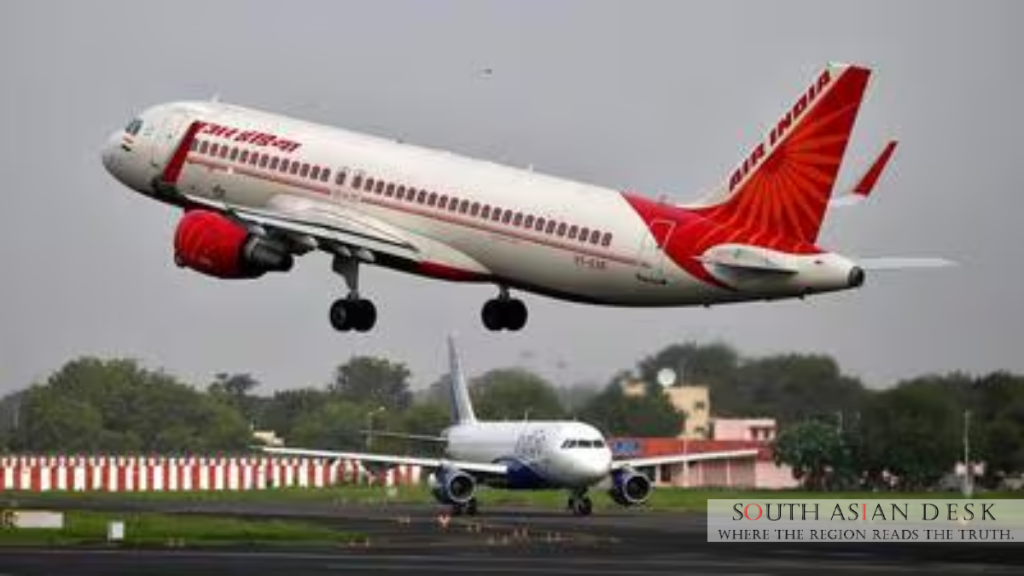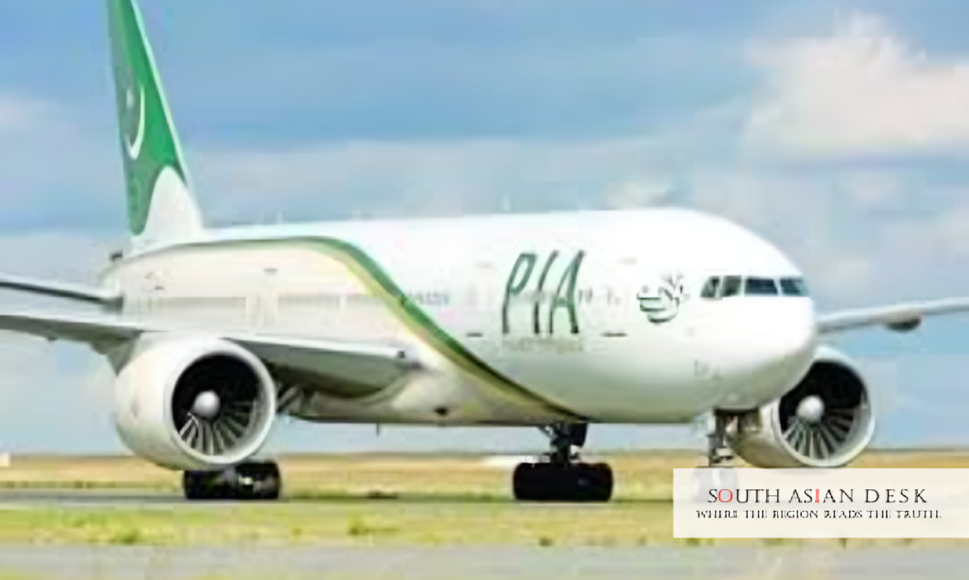
Pakistan’s government has sold a 75% stake in Pakistan International Airlines to the Arif Habib-led consortium for PKR 135 billion after a competitive auction on Tuesday, December 23, 2025, marking the first successful major privatisation in nearly two decades as part of IMF-mandated reforms.
The PIA sale represents a pivotal step for Pakistan’s economy, easing fiscal burdens from loss-making state entities and boosting investor confidence amid regional challenges like inflation and debt in South Asia. This transaction could signal opportunities for similar reforms in neighbouring countries facing comparable economic pressures.
Arif Habib PIA Bid Triumphs in Auction
The auction for the PIA sale unfolded in Islamabad on December 23, 2025, with three initial bidders. The Arif Habib consortium, comprising Fatima Fertiliser Company Limited, City Schools, and Lake City Holdings Limited, emerged victorious with a final offer of PKR 135 billion. This beat the Lucky Cement-led group, which included Hub Power Holdings Limited, Kohat Cement Company Limited, and Metro Ventures, whose last bid stood at PKR 134 billion. Airblue submitted PKR 26.5 billion but exited early as it fell below the reference price of PKR 100 billion.
The process began with sealed bids at 10:30 AM, followed by an open auction broadcast live starting at 4:30 PM. Bids escalated from an initial base of PKR 115 billion. Arif Habib raised from PKR 115 billion to PKR 121 billion, then to PKR 135 billion after a recess. Lucky Cement started at PKR 101.5 billion and climbed to PKR 134 billion.
Arif Habib, head of the group, stated: “We will work hard to make this airline great again.” He described the PIA sale as the “triumph of Pakistan” and praised the transparent process for attracting investment.
Of the PKR 135 billion from the PIA sale, 92.5% will invest directly into the airline, with 7.5% or PKR 10.12 billion going to the federal government. The sale covers a 75% stake, with the government retaining 25%. The buyer can later acquire the remainder at a 12% premium. Properties in Amsterdam, New York, New Delhi, and Mumbai are included.
Government Views Symbolic Value in PIA Sale
Defence Minister Khawaja Asif expressed satisfaction with the PIA sale during an appearance on Geo Pakistan on December 24, 2025. He said: “Yes, the government is satisfied. This is the first biggest transaction of our privatisation process. This transaction has a great symbolic value.” Asif highlighted the symbolic value PIA sale holds due to its history, surpassing smaller efforts like the First Women Bank privatisation.
Finance Minister Muhammad Aurangzeb, at the auction, noted: “All the bidders today are from Pakistan, which is a significant milestone. The country’s largest and most seasoned business groups are competing for the national airline, which will be led by experienced Pakistani investors.” He added that the PIA sale would “indirectly promote foreign investment by boosting investor confidence and underscoring Pakistan’s commitment to transparent economic reforms.”
Prime Minister Shehbaz Sharif congratulated the nation, stating: “The government’s promise of privatising state entities was being fulfilled.” He called the PIA sale a “vote of confidence” in the economy, adding: “The successful completion of the transparent and highly competitive bidding process for the privatisation of PIA marks an important milestone in fulfilling that commitment.” Sharif further noted: “The strong participation of our leading business groups and some of Pakistan’s most seasoned and respected investors is a powerful vote of confidence in our economy and its future.”
Adviser to the Prime Minister on Privatisation Muhammad Ali explained: “Government’s aim is not to sell the national airline but to make it stand on its own feet.” He confirmed the PIA sale aligns with reforms to revive the carrier’s glory and attract investment. Payments can occur in phases: two-thirds within 90 days, the rest within 12 months.
The government assured 12 months of job security for PIA employees. Pension liabilities and post-retirement benefits transfer to a holding company, while new owners handle salaries.
Background on PIA Privatisation
Attempts to pursue PIA privatisation date back to the 1990s but faced protests and failures. Last year’s auction drew one bid of $36 million, below the $305 million minimum for a 60% stake, from Blue World City, citing financial concerns.
PIA’s challenges intensified in 2020 after a crash near Karachi killed 100 people. Former aviation minister Ghulam Sarwar Khan revealed 262 of 860 pilots held fake licences or cheated in exams, leading to bans by European and UK authorities on profitable routes. Foreign airlines grounded Pakistani pilots. Bans lifted recently, aiding recovery.
The government assumed most legacy debt, enabling PIA’s first pre-tax profit in two decades. PIA holds rights to 78 destinations and 170 landing slots worldwide. The PIA privatisation is central to Pakistan’s $7 billion IMF bailout, requiring divestment of state entities to curb fiscal drain. Reforms include tax changes, energy pricing, and trade policy.
Macroeconomic gains include inflation easing, foreign reserves above $14.5 billion, and first primary fiscal and current account surpluses in years. The PIA sale follows two failed attempts and meets bidder demands like 15-year tax exemptions on new aircraft and litigation protection, approved by the IMF.
Fauji Fertiliser Company withdrew last week, allowing post-bid consortium additions. Roosevelt and Scribe hotels exclude from the deal.
What’s Next for PIA Sale
The Arif Habib consortium must pay two-thirds of PKR 135 billion within 90 days. Investment aims to modernise PIA, potentially restoring routes and competitiveness. The symbolic value PIA sale may encourage privatisation of banks and power firms, stabilising Pakistan’s economy further. Observers watch for foreign investment influx.
The PIA sale concludes a long chapter, positioning the airline for growth under private management.
Published in SouthAsianDesk, December 24th, 2025
Follow SouthAsianDesk on X, Instagram and Facebook for insights on business and current affairs from across South Asia.