Polluted Winds From the Iran conflict threaten Pakistan’s air quality. Pakistan Meteorological Department (PMD) has issued a warning about the potential air quality deterioration in western Pakistan due to winds carrying pollutants from Iran. This follows recent strikes on Iranian oil reserves by the United States and Israel, which targeted five oil facilities near Tehran on March 8, 2026.
According to the PMD, these attacks have led to significant environmental concerns, including reports of ‘black acid rain’ in Tehran, indicating severe contamination. Although no such effects have been observed in Pakistan, the PMD is closely monitoring the situation, relying on satellite data due to disrupted internet services in Iran.
The department highlighted that Tehran’s north-western location means pollution may first affect Afghanistan before reaching Pakistan. However, Iran’s southern regions are closer to Pakistan’s Balochistan province, raising concerns about possible transboundary pollution.
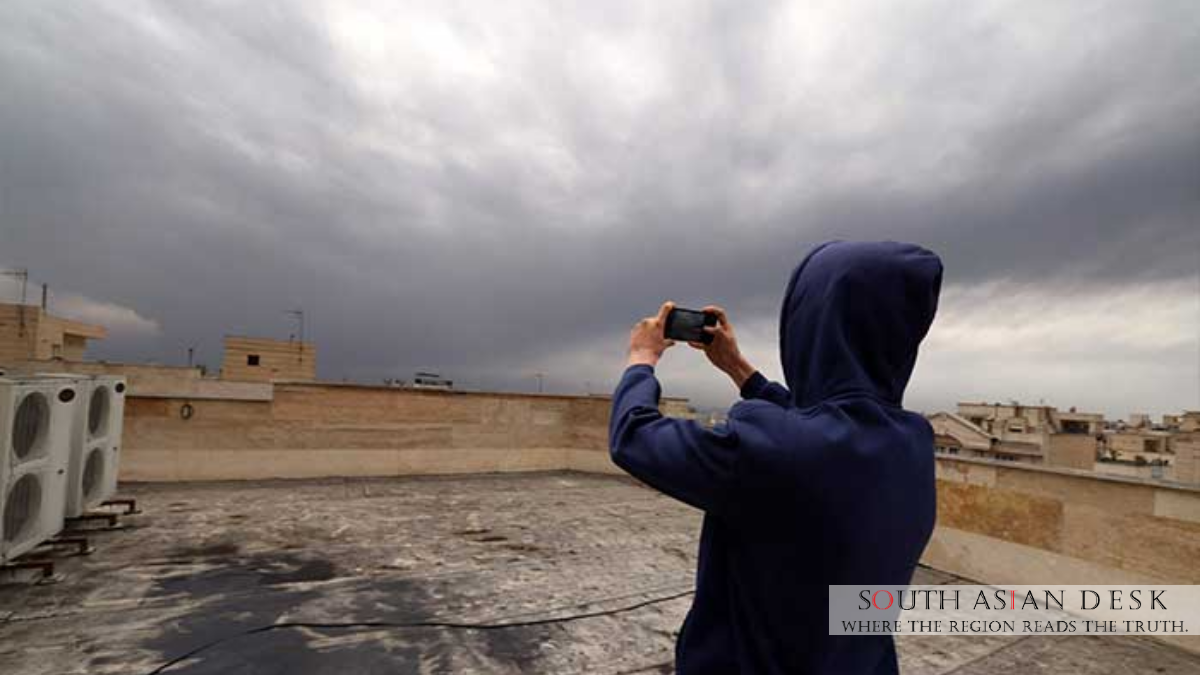
Meteorologists warn that increased carbon emissions from the strikes could elevate temperatures in the upper atmosphere, potentially altering rainfall patterns in the region. Meanwhile, a westerly weather system is expected to bring rain and thunderstorms to Pakistan from March 9 to 12, affecting regions including Chitral, Swat, and Islamabad.
As the situation evolves, the PMD continues to assess environmental conditions, emphasizing the importance of regional cooperation in addressing such cross-border environmental issues. Further developments are anticipated as experts analyze the long-term impacts of these environmental changes.
Published in SouthAsianDesk, March 10, 2026
Follow SouthAsianDesk on X, Instagram and Facebook for insights on business and current affairs from across South Asia.