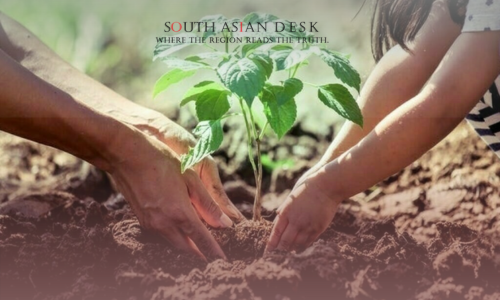
In a heartfelt call to action, President Asif Ali Zardari has launched a nationwide plantation drive in Pakistan, urging citizens to unite against the growing threat of climate change. As the country reels from devastating floods and scorching heat, this ambitious campaign, which began on 18 August 2025, offers a glimmer of hope for a greener, more resilient future. Families across the nation, from bustling cities to remote villages, are being asked to plant trees as a shared duty to protect their homeland.
Pakistan stands at a critical juncture, battered by the harsh realities of climate change. Rising temperatures, frequent floods, and deforestation have left millions vulnerable, threatening livelihoods, agriculture, and the nation’s well-being. President Zardari, speaking on National Tree Plantation Day, painted a vivid picture of the challenges ahead, warning that insufficient forest cover leaves the country exposed to natural disasters. His words resonate deeply with communities still recovering from recent floods in Khyber Pakhtunkhwa, where lives and homes were swept away by unrelenting waters.
Plantation Drive: A Shield Against Climate Disasters
The President’s Monsoon Tree Plantation Campaign, running from August to October 2025, aims to plant over 41 million saplings across Pakistan. This bold initiative, part of the Green Pakistan Programme, seeks to restore degraded lands, expand forest cover, and promote nature-based solutions. From schools to government offices, villages to urban centres, the campaign is designed to reshape landscapes and strengthen resilience against climate disasters. Zardari’s vision is clear: every tree planted is a lifeline for future generations, a shield against floods, and a step toward a healthier environment.
The emotional weight of this initiative is palpable. Zardari, who planted a neem sapling at Bilawal House in Karachi to mark the campaign’s launch, reflected on his time as climate minister under Benazir Bhutto’s government. He recalled launching similar efforts to plant neem trees, known for their ability to purify air, provide shade, and repel mosquitoes. The President’s personal connection to the cause, rooted in decades of advocacy, adds a poignant layer to his call for collective action. His appeal strikes a chord with parents who see education and opportunity for their children tied to a stable, thriving environment.
The campaign places special emphasis on youth, whom Zardari called “ambassadors of change.” He urged young Pakistanis to lead the charge, planting trees in their communities and inspiring others to follow. Farmers, too, are being encouraged to protect their crops and lands by joining the effort, while media, civil society, and religious scholars have been called upon to rally public support. This collective responsibility, Zardari stressed, is not just a policy but a national duty, a way to honour the land that sustains them.
The urgency of the plantation drive is underscored by Pakistan’s vulnerability to climate change. Recent floods in Khyber Pakhtunkhwa and other regions have left communities grieving, with homes destroyed and lives lost. Trees, as Zardari noted, are a powerful defence, capable of reducing flood risks by absorbing rainwater, lowering temperatures, and preventing landslides. They also enrich soil, conserve water, and provide habitats for countless species, making them vital to the nation’s survival.
The Green Pakistan Programme, which forms the backbone of this campaign, is more than a plantation effort. It is a commitment to creating healthier communities and ensuring a climate-resilient future. The President highlighted successful mangrove restoration efforts in Sindh, where millions of acres have been replanted, as a model for what collective action can achieve. Yet, the scale of the challenge demands participation from every corner of society, from urban professionals to rural farmers, all united in a shared mission.
As Pakistan battles the relentless impacts of climate change, President Zardari’s plantation drive offers a path forward, rooted in hope and action. The campaign is a reminder that every sapling planted is a promise to future generations, a testament to the resilience of a nation determined to protect its environment. By joining this effort, Pakistanis are not only fighting climate change but also building a legacy of care and stewardship for their land.
Published in SouthAsianDesk, August 18th, 2025
Follow SouthAsianDesk on X, Instagram, and Facebook for insights on business and current affairs from across South Asia.