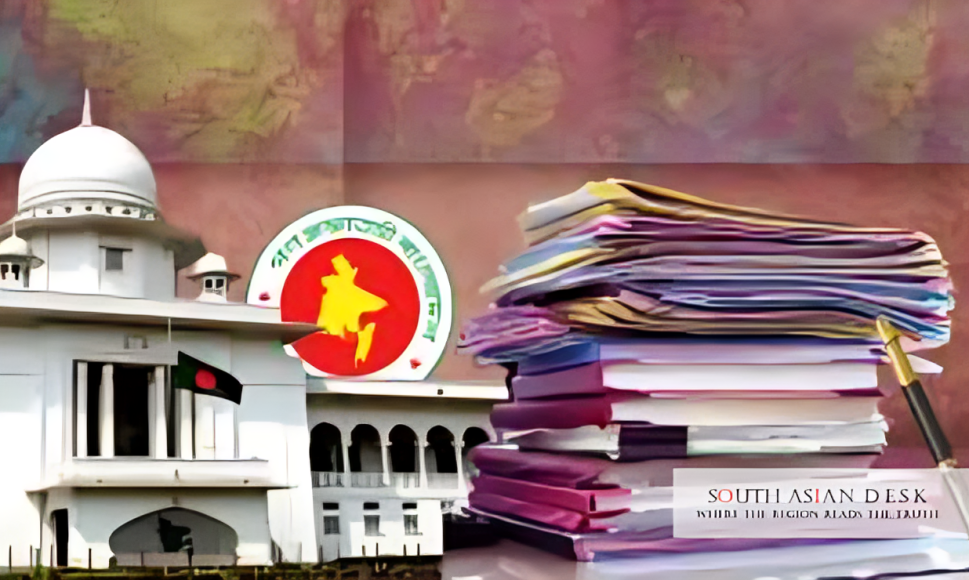
Bangladesh’s Supreme Court restored the caretaker government system on Thursday, overturning its 2011 ruling that abolished it. The Appellate Division bench delivered the verdict at 2:30 PM in Dhaka. Chief Justice Dr Syed Refaat Ahmed led the seven-member panel. The system activates from the 14th national parliamentary election. It excludes the 2026 polls under the current interim setup. This move addresses long-standing calls for neutral oversight in voting.
Supreme Court Revives Nonpartisan NPCG System
The Appellate Division declared the 13th Constitutional Amendment valid. That amendment introduced the nonpartisan caretaker government (NPCG) system in 1996. The court reversed the 15th Amendment’s effects from 2011. That earlier decision had integrated elections under partisan rule. Now, a neutral body will oversee future national polls. The ruling specifies phased rollout. It ensures no disruption to ongoing reforms.
The bench comprised Chief Justice Dr Syed Refaat Ahmed, Justice Md Ashfaqul Islam, Justice Zubayer Rahman Chowdhury, Justice Md Rezaul Haque, Justice SM Emdadul Haque, Justice AKM Asaduzzaman, and Justice Farah Mahbub. They heard appeals from the Bangladesh Nationalist Party (BNP) and others. Petitioners argued the 2011 verdict undermined fair play. The court agreed, terming the abolition unconstitutional in key aspects.
Attorney General Mahbubey Alam hailed the outcome. He called the NPCG a supportive mechanism for democracy in Bangladesh. “It strengthens electoral integrity,” he stated during post-verdict remarks. No immediate response came from the interim government’s Chief Adviser Muhammad Yunus. His office confirmed review of implications for the 2026 timeline.
This Bangladesh Supreme Court restores caretaker system decision revives the nonpartisan NPCG system. It mandates a three-month interim period post-dissolution of parliament for future terms. The chief adviser and council will hold office during that span. They must remain apolitical. Past elections in 1996, 2001, and 2008 ran under this model. The 1991 vote used a consensus interim body.
Historical Context of Caretaker Government System
Bangladesh adopted the caretaker system amid 1990s turmoil. Political violence marred polls. The 13th Amendment filled that gap. It created a neutral administration to conduct elections. Ruling parties dissolved their governments upon parliament’s end. This prevented state machinery abuse.
Tensions peaked in 2006-2008. A military-backed caretaker extended its rule. That led to arrests of top leaders. Sheikh Hasina’s Awami League government scrapped it in 2011. Critics said it enabled rigged votes in 2014 and 2018. BNP boycotted the 2014 election. Protests followed. The July 2024 uprising ousted Hasina. It installed Yunus’s interim administration. That body now steers toward 2026 polls.
The caretaker government Bangladesh 2026 elections debate intensified post-uprising. Reform commissions pushed restoration. BNP filed petitions in August 2025. The Appellate Division granted leave then. Hearings spanned October and November. Witnesses testified on past manipulations. Data showed voter turnout drops under partisan oversight. In 2018, turnout hit 80 per cent amid allegations. Independent monitors flagged irregularities.
This revival ties to broader reforms. The interim government amended laws on voter lists. It digitised rolls for 120 million eligible voters. Election Commission data projects 2026 registration at 98 per cent coverage. Yet, the Supreme Court revives nonpartisan NPCG system excludes the 13th parliament. That vote stays under Yunus’s watch. Polls eye February 2026. Delays could arise from floods or logistics.
Bangladesh Caretaker Restoration Impact Yunus Interim
The ruling reshapes Yunus’s interim term. Formed in August 2024, it replaced Hasina’s regime. Yunus, Nobel laureate, leads 17 advisers. They focus on justice, economy, and polls. Restoration signals trust in neutral mechanisms. But it spares 2026. This lets the current setup finalise preparations.
Impacts ripple across stakeholders. BNP Standing Committee member Amir Khosru Mahmud Chowdhury welcomed it. “The verdict opens a new horizon for the country,” he said. His party long demanded revival. It boycotted past elections over the issue. Now, BNP eyes participation in 2026. Jatiya Party echoed support. Smaller allies see it as a fairness boost.
Awami League, Hasina’s party, stayed silent initially. Exiles in India monitor closely. Hasina faces trials in absentia. Party leaders called past scrapping a “democratic theft. Restoration could fragment opposition further. Some factions back Yunus. Others align with BNP.
Economically, stability aids recovery. Bangladesh’s GDP growth hit 5.8 per cent in 2025 fiscal year, per World Bank data. Remittances topped USD 20 billion. Fair polls could attract USD 2 billion more in foreign direct investment. South Asian peers watch. India’s border tensions ease with Yunus’s outreach. Pakistan eyes trade pacts.
Yunus’s team reformed the Election Commission. It added five new commissioners in September 2025. Training covers 300,000 polling staff. The Bangladesh caretaker restoration impact Yunus interim includes timeline pressures. His government pledged polls within 18 months of takeover. February 2026 fits. But NPCG revival for later terms sets precedent.
Civil society groups applaud. Transparency International Bangladesh noted reduced corruption risks. “Neutral oversight cuts manipulation by 40 per cent,” a 2024 study showed. Women’s rights advocates push for quota tweaks under new rules. Youth, who led the uprising, demand digital voting pilots.
Challenges persist. Logistical hurdles include 42,000 polling stations. Security forces train for non-violent duties. The army, neutral in 2024 events, vows restraint. Yunus addressed the nation last week. He stressed unity for transition.
Background
The caretaker system emerged from 1990s consensus. It balanced power between Awami League and BNP. Hasina’s 2011 abolition followed a BNP boycott threat. That sparked 2013 violence, killing dozens. Post-2024, student leaders in the interim council pushed reviews. Constitutional drafts now incorporate NPCG.
What’s Next
Reforms continue. Parliament may ratify changes by December 2025. Voter education campaigns launch in January. International observers, including IRI, plan missions. The 14th election could fall in 2031. Monitoring ensures compliance.
The Bangladesh Supreme Court restores caretaker system cements a legacy of adaptive governance. It promises polls free from partisan shadows, fostering enduring stability.
Published in SouthAsianDesk, November 20th, 2025
Follow SouthAsianDesk on X, Instagram, and Facebook for insights on business and current affairs from across South Asia.