The SCO Summit in China unites South Asian leaders to counter U.S. tariffs and bolster regional trade.
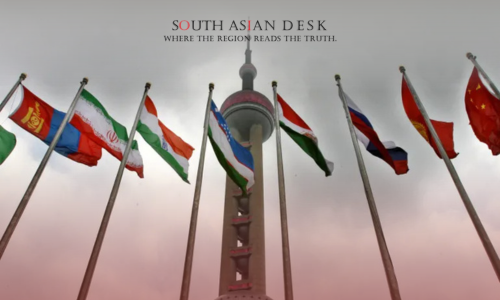
On Sunday, August 31, 2025, in Tianjin, China, Xi Jinping hosts the SCO Summit, where Narendra Modi and Shehbaz Sharif address U.S. tariffs to strengthen South Asia’s trade and stability.
Why It Matters
The SCO Summit in China is vital for South Asia, as India and Pakistan navigate U.S. trade pressures, forging closer ties with China to secure economic resilience and regional influence amid global tariff disruptions.
SCO Summit in China: South Asia’s Response to Trump Tariffs
The 25th Shanghai Cooperation Organisation (SCO) Summit, held in Tianjin from Sunday, August 31, to Monday, September 1, 2025, brings together leaders from 10 member states, including China, India, Pakistan, Russia, and Iran, representing 40% of the global population. According to China’s Foreign Ministry, “The summit promotes a multipolar world.” India’s Narendra Modi and Pakistan’s Shehbaz Sharif lead South Asian efforts to counter U.S. President Donald Trump’s 50% tariffs on Indian goods and 200% threats on Chinese exports, focusing on trade and regional stability. Observers like Turkey’s Recep Tayyip Erdogan and Nepal’s K P Sharma Oli amplify South Asia’s presence.
Modi-Xi Talks: South Asia’s Trade Focus
Modi’s first China visit since 2018 targets India’s USD 99.2 billion trade deficit with China and border peace post-2020 Galwan clashes, which killed 20 Indian and 4 Chinese soldiers. According to India’s Ministry of External Affairs, “Modi and Xi discussed trade growth and border stability.” The 40-minute talks explore resuming direct flights and easing visa rules to boost trade.
Pakistan’s Economic Strategy
Pakistan’s Shehbaz Sharif advances the China-Pakistan Economic Corridor (CPEC), with PKR 2.7 trillion in projects, while addressing India’s terrorism allegations after a 2024 Kashmir attack killed 26. According to Pakistan’s Foreign Office, “Sharif seeks SCO support for CPEC.”.
Trump Tariffs’ Impact on South Asia
Trump’s tariffs, effective August 7, 2025, hit India’s textiles, gems, and seafood, risking a drop in U.S. exports from USD 86.5 billion to USD 50 billion by 2026 and 7.1% urban unemployment. Pakistan faces 10–40% tariffs, increasing reliance on China’s USD 18 billion CPEC investments. The SCO, with 33% of global GDP, seeks trade diversification to counter U.S. policies.
Regional Stability Challenges
Ukraine’s push for SCO condemnation of Russia’s war faces resistance, with India and China staying neutral to prioritize trade. According to Russia’s Foreign Ministry, “Putin’s talks with Modi and Xi strengthen Eurasian coordination.” India-Pakistan tensions over Kashmir hinder SCO unity, affecting South Asia’s stability.
Background
Formed in 2001, the SCO evolved from a security alliance to a trade and energy platform, with India and Pakistan joining in 2017. Trump’s tariffs, escalating since April 2025, have driven India-China rapprochement, building on a 2024 BRICS summit deal to resume border trade. The SCO’s 16 observers, including ASEAN and Saudi Arabia, enhance its global reach.
What’s Next
As South Asia navigates the SCO Summit in China amid Trump tariffs, outcomes on trade agreements and regional cooperation will define India and Pakistan’s economic and geopolitical strategies.
Published in SouthAsianDesk, August 31st, 2025
Follow SouthAsianDesk on X, Instagram, and Facebook for insights on business and current affairs from across South Asia.