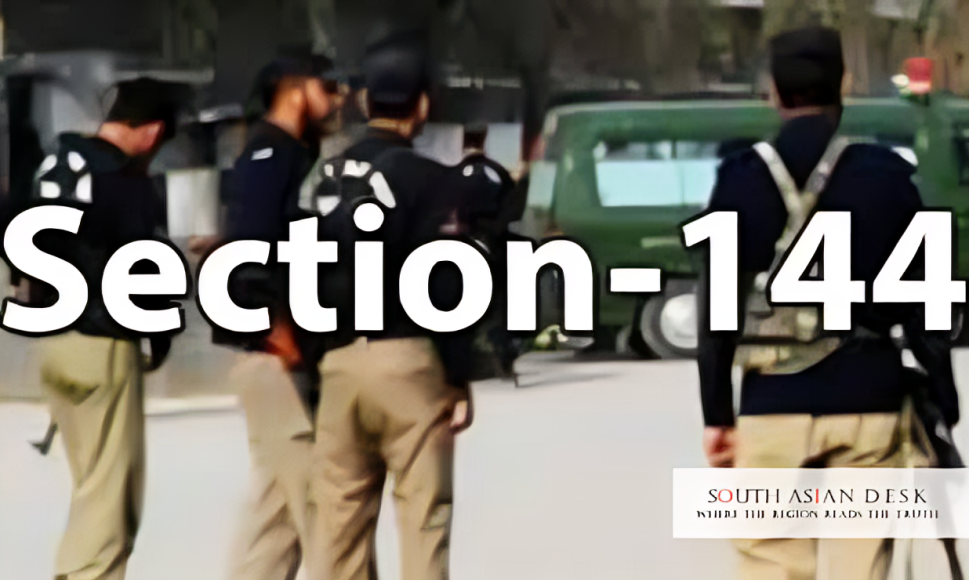
Quetta, Tuesday, January 6, 2026 – Authorities in Balochistan have extended Section 144 Quetta restrictions until January 31, banning public gatherings and other activities amid concerns over law and order. The move affects daily life in the provincial capital, with violations punishable under the Pakistan Penal Code.
The decision reflects ongoing security challenges in the region, where sporadic violence and protests have prompted repeated curbs. In South Asia, such measures highlight tensions in border areas, impacting local economies and civil liberties while aiming to prevent escalation into broader conflicts.
Details of Section 144 Extended in Quetta
The Balochistan Home Department issued a notification on Tuesday, January 6, 2026, extending the curbs for 25 days. Restrictions include a ban on gatherings of five or more people, processions, and the display of weapons. Tinted vehicle windows are prohibited, as are unregistered motorcycles and face coverings in public spaces.
Pillion riding remains forbidden, except for women and children. Officials aim to mitigate risks from militant activities and unrest. The notification states that these steps address the prevailing law and order situation in Quetta.
Similar measures have been applied in other parts of Balochistan, but this extension focuses on the Quetta district. Law enforcement agencies will monitor compliance, with legal action under Section 188 of the Pakistan Penal Code for breaches.
Balochistan Section 144: Reasons and Implications
The extension follows intelligence reports of potential threats. Balochistan has faced insurgent activities, with groups like the Baloch Liberation Army involved in past incidents. The government seeks to maintain stability in Quetta, a key hub for trade and administration.
Residents report disruptions to normal activities, including business and transport. Motorcycle users must adhere to the pillion riding ban, affecting commuters. Security checkpoints have increased, leading to delays.
A statement from the Balochistan Home Department emphasised that the restrictions are preventive. “Public cooperation is essential for maintaining peace and ensuring safety during these sensitive times,” it noted.
Quetta Public Gathering Ban: Enforcement and Exemptions
Under the Quetta public gathering ban, no assemblies of five or more are allowed without prior approval. This includes rallies, protests, and public meetings. Authorities have warned that violators face arrest.
Exemptions apply to official events and emergencies. Women and children are exempt from the pillion riding rule to avoid undue hardship. The ban on tinted windows aims to enhance visibility for security forces.
Police in Quetta have stepped up patrols. Deputy commissioners oversee implementation, coordinating with local forces. Past enforcement has led to arrests during protests violating Balochistan Section 144.
Background
Section 144 of the Criminal Procedure Code empowers authorities to impose temporary restrictions to prevent unrest. In Balochistan, it has been used frequently since 2021 amid insurgencies and political tensions.
Previous extensions include a 15-day ban in August 2025 following attacks, and a 30-day curb in November 2025 province-wide. The current Section 144 Quetta extension builds on a prior order from December 2025, which imposed similar rules in the district.
Balochistan’s strategic location near Afghanistan and Iran makes it vulnerable to cross-border issues. Economic grievances, including resource exploitation, fuel protests. The government has invested PKR 500 million in security enhancements over the past year, but critics argue curbs stifle dissent.
Data from the South Asia Terrorism Portal shows 120 incidents in Balochistan in 2025, down from 150 in 2024. However, civilian casualties remain a concern.
The Quetta public gathering ban aligns with national efforts to counter extremism. In Rawalpindi, similar extensions run until January 7, indicating coordinated responses.
What’s Next
Authorities will review the situation before January 31. If threats subside, restrictions may lift. Meanwhile, dialogue with stakeholders could address underlying issues. The extension of Section 144 Quetta underscores the need for long-term stability measures in the region.
Published in SouthAsianDesk, January 6th, 2026
Follow SouthAsianDesk on X, Instagram and Facebook for insights on business and current affairs from across South Asia.