The International Crimes Tribunal orders charges framed against former Prime Minister Sheikh Hasina and 13 others for enforced disappearances and torture. The December 14 hearing advances accountability for alleged crimes against humanity.
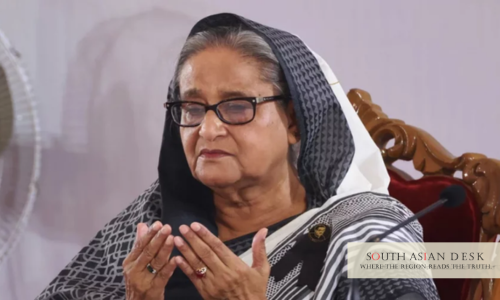
The International Crimes Tribunal-1 ordered Sheikh Hasina charges framed against Sheikh Hasina and 13 others on Tuesday. The case involves Sheikh Hasina crimes against humanity through enforced disappearances and torture at secret facilities. The tribunal set December 14 for formal framing. Hasina remains in India since fleeing in August 2024. Three accused army officers appeared in custody. The ruling follows a prosecution complaint filed on October 8, 2025.
This development in the Bangladesh tribunal Sheikh Hasina proceedings marks progress in addressing systemic abuses under the former Awami League regime. Enforced disappearances affected over 3,500 people from 2009 to 2024, per commission data. Trials like this could deter future violations across South Asia, where extrajudicial actions persist in conflict zones. Yet concerns over fair trials and death penalties linger, as noted by UN experts.
Sheikh Hasina Charges Framed Over Enforced Disappearances
Sheikh Hasina charges framed stem from allegations of orchestrating abductions and torture. The prosecution accuses Hasina of command responsibility for operations at the Joint Interrogation Cell (JIC) and Aynaghar detention centre. These sites held political opponents, including BNP and Jamaat-e-Islami members.
The tribunal took cognizance after the October 8 complaint. It issued arrest warrants for all 14 accused. Notices published for absconding individuals, including Hasina. Three former officers produced on October 22: Major General Sheikh Md Sarwar Hossain, ex-DGFI director; Brigadier General Md Mahbubur Rahman Siddiqui; and Brigadier General Ahmed Tanvir Mazahar Siddiqui. The court remanded them to jail.
Procedural steps accelerated. A November 23 hearing for framing charges proceeded despite delays. State counsel ZI Khan Panna withdrew on December 3 due to illness. Advocate Md Amir Hossain replaced him. The tribunal fixed December 14 for the order. “The prosecution has established prima facie evidence,” tribunal sources stated in the formal notice.
Hasina faces this case alongside others. A November 17 verdict convicted her in absentia for 2024 protest killings, sentencing her to death. That involved crimes against humanity claims of 1,400 deaths. UN rights chief Volker Türk welcomed accountability but urged fair process adherence.
Sheikh Hasina Crimes Against Humanity in Tribunal Focus
Sheikh Hasina crimes against humanity allegations centre on systematic repression. The JIC case details over 100 victims abducted between 2012 and 2019. Families reported vanishings after arrests by security forces. Bodies surfaced in rivers or morgues months later, often tortured.
Aynaghar, a Rapid Action Battalion facility, hosted secret cells. Amnesty International documented 50 cases there. Detainees endured electric shocks and beatings. The commission of inquiry, formed August 27, 2024, received 1,676 complaints. It confirmed 200 ongoing disappearances. “These acts constitute enforced disappearances under international law,” the commission reported in its preliminary findings.
The Bangladesh tribunal Sheikh Hasina employs the International Crimes (Tribunals) Act, amended November 2024. Changes align with ICC Rome Statute on command responsibility. Yet Human Rights Watch raised concerns. “Trials must meet international fair trial standards, especially in absentia cases,” Meenakshi Ganguly, HRW Asia deputy director, said in a November 17 statement.
Prosecution lists 20 witnesses, including ex-detainees and officers. Depositions begin post-framing. Defence may challenge evidence admissibility. The act strips accused of certain constitutional rights under Articles 47(3) and 47A.
Bangladesh Tribunal Sheikh Hasina: Procedural and Rights Issues
Bangladesh tribunal Sheikh Hasina hearings proceed amid scrutiny. The November death sentence for protest suppression drew UN criticism. Spokesperson Ravina Shamdasani called it “an important moment for victims” but stressed due process. “We regret the death penalty, opposed in all circumstances,” she added on November 17.
The JIC probe builds on October 9 charges against 28 for similar abuses. Hasina and ex-Home Minister Asaduzzaman Khan Kamal featured there. Kamal received a death sentence in the protest case. Tribunal-1 handles multiple dockets: two more on disappearances and one on 2013 killings.
HRW documented 600 enforced disappearances in 2023 alone. Post-Hasina, the interim government under Muhammad Yunus released 200 detainees. Yet arbitrary arrests of Awami League supporters rose to 8,600 in February 2025’s “Operation Devil Hunt.” Yunus pledged reforms, including security sector overhaul.
The tribunal, established 2010 under Hasina, shifted post-2024. Originally for 1971 war crimes, it now targets her era. Amendments ban supportive activities of accused parties. HRW warned against excessive restrictions mirroring past abuses.
Sheikh Hasina Enforced Disappearances: Victim Testimonies Emerge
Sheikh Hasina enforced disappearances involved elite forces like DGFI and RAB. Accused officers oversaw interrogations. Sarwar Hossain, charged as key planner, commanded during peak abductions. Siddiqui and Siddiqui executed raids.
Victim families testified in probes. One mother recounted her son’s 2015 vanishing after BNP protests. “He called from custody, then silence,” she told the commission. Autopsy showed blunt trauma. Over 70 per cent cases targeted opposition, per data.
International pressure mounts. The UN Working Group on Enforced Disappearances urged extradition. Bangladesh requested Hasina’s return from India under 2014 treaty. New Delhi cited dual criminality clauses. Talks stalled since October. The commission uncovered torture evidence: bloodied cells at Aynaghar. Photos released February 2025 showed chains and isolation rooms. Yunus visited sites, vowing prosecutions.
Background
Enforced disappearances surged under Hasina’s 2009-2024 rule. HRW reported 500 cases yearly by 2020. RAB, formed 2004, led 40 per cent. US sanctions in 2021 targeted units.
The 2024 uprising killed 1,400, per UN. Hasina fled August 5 amid protests. Yunus assumed power August 8. Tribunal verdicts followed: corruption conviction in September (21 years); protest deaths in November.
Precedents include 2013 convictions of opposition leaders, criticized as unfair. ICC complementarity allows domestic trials if standards met. These Sheikh Hasina charges framed highlight transitional justice challenges. They balance victim redress with rights protections.
What’s Next
The December 14 framing triggers witness summons. Trial starts January 2026, per schedule. Extradition bids intensify at bilateral meets. Yunus eyes act amendments for appeals. UN offers technical aid for reforms. Donors condition $1.5 billion aid on progress.
Failure risks cycles of retribution. Success could model accountability in South Asia. Sheikh Hasina charges framed propel the quest for truth. They test Bangladesh’s democratic resolve.
Published in SouthAsianDesk, December 9th, 2025
Follow SouthAsianDesk on X, Instagram, and Facebook for insights on business and current affairs from across South Asia.