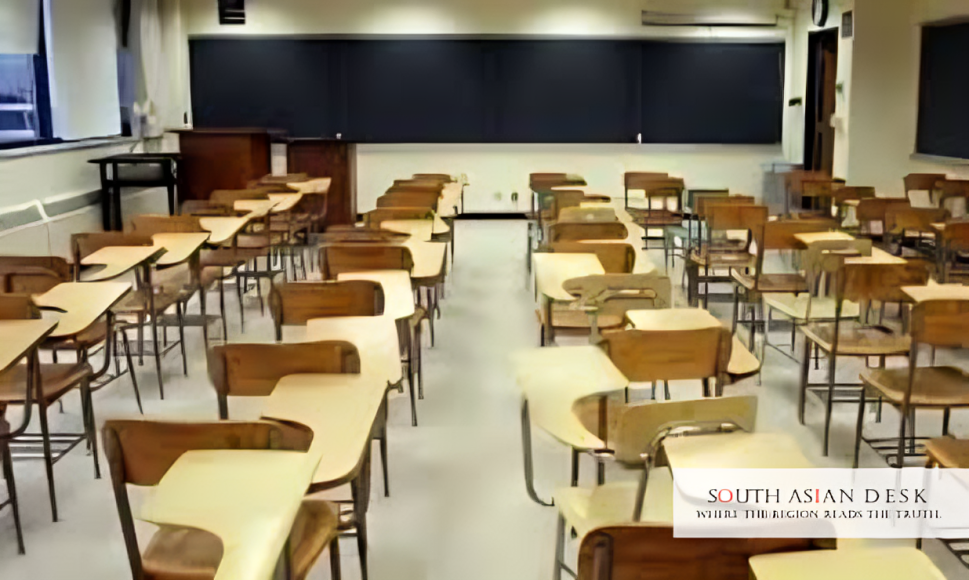
Karachi: Sindh private schools strike announced a complete shutdown of educational institutions on January 9, 2026, protesting direct inspections by the Anti-Corruption Establishment (ACE). The Grand Alliance of Private Schools Associations held a press conference at Karachi Press Club on January 6, 2026, to detail the action. Leaders cited violations of court orders and the Sindh Private Institutions Act 2013 as key triggers. Protests run from January 6 to 8, with January 8 marked as a black day.
The Sindh private schools strike affects over 6 million students, disrupting education in a province where private institutions fill gaps left by public systems. This action highlights tensions between regulatory oversight and institutional autonomy, potentially influencing similar disputes across South Asia where private education plays a vital role.
Reasons for the Private Schools Protest Sindh
The core issue stems from ACE inspections Sindh schools to verify freeship lists, which provide free education to underprivileged students. Associations argue that these inspections bypass the Directorate of Private Institutions, the authorised body under the Sindh Private Institutions Act 2013.
Syed Haider Ali, chairman of the All Sindh Private Schools and Colleges Association, stated during the press conference: “The Sindh High Court Sukkur Bench’s December 8, 2025 order tasked anti-corruption officials with verifying ‘free-ship’ lists submitted by regional directors. Instead of coordinating through the Directorate of Private Institutions, teams began direct inspections at schools, which violates the Sindh Private Institutions Act 2013.”
He added: “Armed personnel entering schools created fear and anxiety among students and staff, while parents were distressed by unnecessary questioning and demands for details.”
Other leaders, including Syed Tariq Shah, chairman of the All Private Schools Management Association Sindh, echoed these concerns. Shah said: “The anti-corruption authorities have disrespected the dignity of educational institutions. If such violations continue, school gates will be closed and teaching will be halted.”
The Grand Alliance demands that verification occur through the Directorate’s office, avoiding direct school visits. They plan to file a new petition in the Sindh High Court to halt the process.
Impact of ACE Inspections Sindh Schools
ACE inspections Sindh schools have led to widespread reports of harassment. Associations claim officials demand admission forms from children and even death certificates of parents or grandparents, causing mental stress. Female teachers and young students face particular anxiety from armed personnel’s presence.
Private schools in Sindh provide education to millions, often waiving fees for needy children as part of social responsibility. Leaders noted that despite limited resources and reasonable fees, institutions have served the public for decades. Any individual flaws should not tarnish the entire sector, they argued.
The Sindh private schools strike follows a Sindh High Court decision on December 8, 2025, assigning ACE to verify freeship lists. However, associations insist this does not authorise direct raids.
Background
The freeship programme mandates private schools to offer free seats to low-income students, with lists submitted to regional directors. The Sindh government ordered inspections in 2025 to ensure compliance, leading to the court involvement. The Anti-Corruption Establishment’s role emerged from allegations of irregularities in freeship allocations.
Private institutions argue the Directorate of Private Institutions holds sole regulatory authority. The Sindh Private Institutions Act 2013 prohibits external interference without due process. Associations have urged Chief Minister Syed Murad Ali Shah and Education Minister Syed Sardar Ali Shah to intervene.
In a statement, All Pakistan Private Schools Federation (APPSF) President Kashif Mirza and Sindh chapter President Akhtar Arain said: “This decision reflects our commitment to safeguard private schools, respect teachers, and address pressing institutional concerns.” They added: “Educational activities for six million students cannot be disrupted due to minor data discrepancies or subjective interpretations of court orders.”
The federation demands an immediate probe into alleged corruption within the Education Department and ACE. They call for a dignified verification mechanism, similar to systems in other divisions like Sukkur.
Government Stance
No official response from the Sindh government has surfaced yet. The Education and Literacy Department has not issued a statement on the Sindh private schools strike.
Associations have appealed directly to the chief minister and education minister for meetings to resolve the issue. Without intervention, the private schools protest Sindh could escalate.
What’s Next
The Grand Alliance intends to approach the Sindh High Court again for relief. If unresolved, further actions may follow, potentially extending Sindh schools closed beyond January 9. Parents and administrations will hold joint protests in all districts until January 8.
This Sindh private schools strike underscores the need for balanced regulation in education. Stakeholders hope for swift resolution to minimise disruption to students’ learning.
The Sindh private schools strike on January 9 risks halting classes for millions, as associations push back against ACE inspections Sindh schools deemed invasive.
Published in SouthAsianDesk, January 6th, 2026
Follow SouthAsianDesk on X, Instagram and Facebook for insights on business and current affairs from across South Asia.