Nepal’s government has reversed a controversial social media restriction amid deadly unrest, raising questions about digital freedoms in the region.
Nepal’s authorities lifted a social media ban on Tuesday, September 9, 2025, following violent social media ban Nepal protests that claimed 19 lives and injured over 100 people in Kathmandu and other cities on Monday, September 8, 2025. The ban, imposed last week to curb unrest over alleged corruption, blocked 26 platforms including WhatsApp, Facebook, Instagram, LinkedIn, and YouTube. Protesters, largely from Generation Z, demanded accountability and restoration of online access, clashing with police who used tear gas and rubber bullets. Cabinet spokesman Prithvi Subba Gurung confirmed the reversal, stating the platforms were operational again.
Why it Matters
The social media ban Nepal protests underscore growing youth discontent with governance in South Asia, where digital tools amplify calls for transparency. As Nepal grapples with corruption scandals, this incident highlights the fragility of internet access in the region, potentially influencing similar movements in neighbouring countries like India and Pakistan, where social media plays a pivotal role in activism.
Social Media Ban Nepal Protests: The Unfolding Events
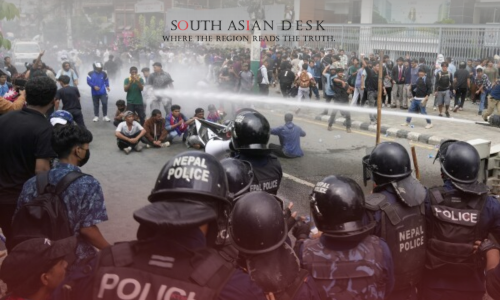
The social media ban Nepal protests erupted on Monday, September 8, 2025, in Kathmandu, the capital, and extended to other urban centres. Demonstrators, primarily young Nepalis aged 18 to 24, gathered outside government buildings to protest the government’s decision to restrict online platforms amid allegations of high-level corruption involving political figures. Authorities reported at least 19 fatalities, with more than 100 injuries treated in local hospitals. Police deployed non-lethal force to disperse crowds, but the escalation led to the deadliest unrest in Nepal in decades.
The ban affected 26 social media sites, disrupting communication for millions reliant on these tools for daily interactions and information. According to the Ministry of Communication and Information Technology, the restrictions were intended to maintain public order during heightened tensions. However, critics argued it stifled free expression, exacerbating the social media ban Nepal protests.
Eyewitness accounts described chaotic scenes in Kathmandu’s streets, where thousands marched chanting slogans against corruption. The protests gained momentum through initial offline organising, but the ban severed digital coordination, forcing reliance on word-of-mouth networks. By evening, the violence peaked, with reports of rubber bullets and tear gas canisters fired into crowds.
Gen Z Protests Nepal Social Media: Youth-Led Uprising
Gen Z protests Nepal social media have emerged as a flashpoint for broader frustrations. This demographic, tech-savvy and digitally native, views online platforms as essential for mobilising against systemic issues. The social media ban Nepal protests were not isolated; they built on simmering anger over corruption cases that have plagued Nepal’s coalition government since early 2025.
Participants in the gen Z protests Nepal social media wave highlighted how platforms like TikTok and Instagram had previously exposed graft scandals through viral content. With the ban in place, protesters adapted by using VPNs and alternative networks, though access remained limited. Data from telecom regulators indicated a sharp drop in internet traffic during the restriction period, affecting over 15 million users.
According to authorities, the death toll stood at 19 by late Monday, with injuries numbering 347 across cities. Hospitals in Kathmandu reported treating victims for gunshot wounds and fractures. The gen Z protests Nepal social media underscored a generational divide, as younger voices demanded reforms in a nation where youth unemployment hovers at 19 per cent.
Timeline of the Social Media Ban Nepal Protests
- Last week: Government imposes ban on 26 platforms citing security concerns amid rising corruption allegations.
- Monday, September 8, 2025, morning: Social media ban Nepal protests begin in Kathmandu, spreading to Pokhara and Biratnagar.
- Afternoon, September 8, 2025: Clashes intensify; police fire on crowds, resulting in initial reports of 14 deaths, later revised to 19.
- Early Tuesday, September 9, 2025, around 6:00 AM: Ban lifted, restoring access to affected sites.
This sequence reflects the rapid escalation from policy decision to national crisis.
Background
Nepal’s political landscape has been turbulent since the 2022 elections, with coalition governments facing accusations of nepotism and fund misappropriation. The social media ban was part of a broader crackdown, including temporary internet slowdowns in protest hotspots. Previous gen Z protests Nepal social media incidents, such as those in 2024 over education reforms, had relied heavily on online amplification, making the 2025 ban particularly contentious.
International observers noted parallels with regional trends, where governments in South Asia have intermittently restricted digital spaces during unrest. Nepal’s constitution guarantees freedom of expression, but enforcement remains inconsistent.
What’s Next for Social Media Ban Nepal Protests
As platforms resume operations, investigations into the deaths during the social media ban Nepal protests are underway, with calls for an independent probe from human rights groups. The government may introduce new regulations on online content, but youth activists vow to continue monitoring corruption via digital channels. Stability in Nepal hinges on addressing these grievances, potentially averting further gen Z protests Nepal social media flare-ups.
Published in SouthAsianDesk, September 9th, 2025
Follow SouthAsianDesk on X, Instagram, and Facebook for insights on business and current affairs from across South Asia.