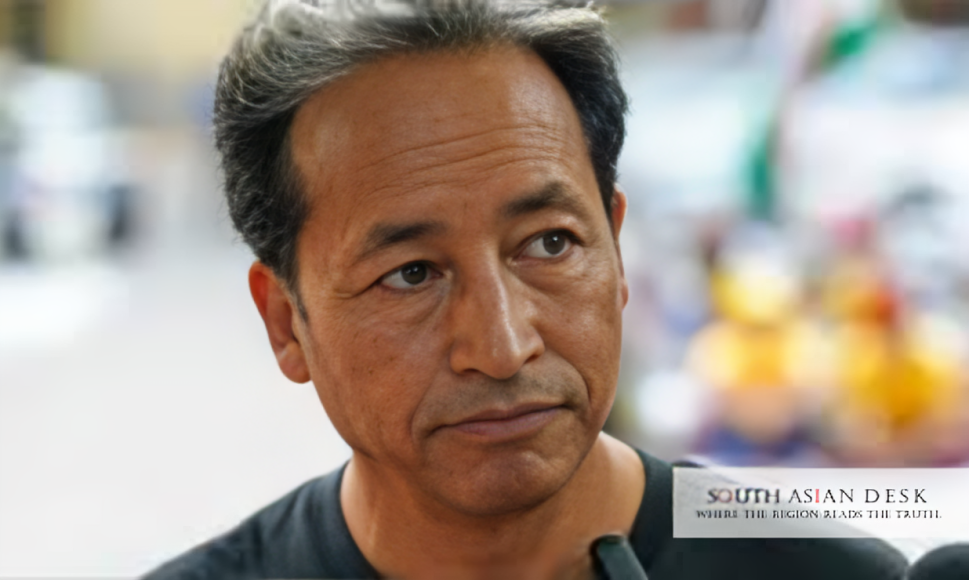
Leh, Ladakh, October 05, 2025: Climate activist Sonam Wangchuk demands judicial probe into the killing of four people during violent protests in Leh on September 24, 2025. Detained under the National Security Act, he seeks accountability for police actions amid demands for statehood and Sixth Schedule protections. The incident injured over 100, sparking calls for transparency.
This demand highlights Ladakh’s deepening rift with New Delhi, where local aspirations for autonomy clash with central control. As a strategic border region, the unrest risks broader instability in South Asia, potentially straining India-China ties and inspiring similar movements in neighbouring Himalayan states.
Ladakh Protests 2025 Updates: Escalation from Dialogue to Deadlock
Protests in Ladakh intensified in September 2025 over long-standing grievances. Activists, led by the Leh Apex Body and Kargil Democratic Alliance, pressed for restoration of statehood lost when the region became a Union Territory in 2019 and implementation of the Sixth Schedule for tribal safeguards.
Wangchuk began a hunger strike on September 10, 2025, to spotlight these issues. Government records show active engagement through the High-Powered Committee on Ladakh, yielding gains like raising Scheduled Tribe reservations from 45 per cent to 84 per cent, one-third women quotas in councils, and official status for Bhoti and Purgi languages. Recruitment for 1,800 government posts also started.
Yet progress stalled. The Ministry of Home Affairs noted politically motivated elements sabotaged talks. Scheduled meetings on September 25 and 26, plus a High-Powered Committee session on October 6, faced boycotts after the violence. Leh Apex Body and Kargil Democratic Alliance withdrew, citing unmet demands including Wangchuk’s release.
The unrest reflects broader South Asian tensions, where ethnic groups seek greater self-rule amid centralisation. In Ladakh, 3 lakh residents fear land and job losses to outsiders, echoing concerns in Nepal’s border districts and Pakistan-occupied Kashmir.
The September 24 Clashes: A Timeline of Turmoil
Tensions peaked on September 24 around 11:30 am. A crowd, reportedly instigated by provocative speeches at Wangchuk’s hunger strike site, marched on a political party office and the Chief Executive Councillor’s government building in Leh. Protesters torched vehicles, pelted stones, and attacked security personnel.
Official accounts detail over 30 police and Central Reserve Police Force members injured. The mob damaged public property, prompting self-defence firing. Four civilians died, including an ex-serviceman; over 100 suffered injuries. By 4 pm, authorities restored order, imposing curfew and prohibitory measures under Section 144.
Lieutenant Governor Kavinder Gupta condemned the violence on September 29, 2025. In an official handout, he expressed grief and condolences, directing strict action against perpetrators. “Violence in any form is unacceptable and will not be tolerated,” the statement read. Gupta appealed for unity: “Our strength lies in unity and dialogue, not in violence. I urge everyone to extend full cooperation to the administration in maintaining peace and stability in the region.”
The Ministry of Home Affairs echoed this in a September 24 press release, blaming Wangchuk’s references to Arab Spring and Nepal’s Gen Z protests for misleading youth. It affirmed commitment to constitutional safeguards while urging restraint from circulating old videos.
Wangchuk NSA Detention: A Voice Silenced, Yet Resonant
Sonam Wangchuk, 58, faces detention under the National Security Act since late September 2025 in Jodhpur Central Jail. Arrested post-hunger strike, authorities cite his role in inciting the mob. His wife, Gitanjali J Angmo, challenged the order in the Supreme Court as “illegal and unconstitutional.” A hearing seeks his immediate release.
From jail, Wangchuk conveyed support for the Apex Body via a letter relayed by his brother and lawyer on September 28. “Whatever actions Apex Body takes in the interest of Ladakh, I am with them, wholeheartedly,” he wrote. He offered condolences to victims’ families and urged Gandhian non-violence: “I am prepared to stay in jail unless an independent probe is ordered.”
Gitanjali slammed the Centre on X, likening police misuse to colonial oppression: “Is India really free? … a dozen administrators are misusing 2,400 Ladakhi police to oppress and torture 3 lakh Ladakhis under the orders of the MHA.”
This detention fuels Ladakh protests 2025 updates, with over 70 youths arrested initially. By October 4, 30 received release, per administration data. Chief Secretary Santosh Sukhadeve noted youth were “misled by leaders,” vowing protection for local land and jobs.
Wangchuk’s push for a Sonam Wangchuk judicial probe Ladakh killings underscores fears of cover-ups. He insists only an independent judicial inquiry can reveal truths behind the police response.
Leh Violence Inquiry: Magisterial Probe Amid Calls for More
The Ladakh administration responded on October 2, 2025, ordering a magisterial inquiry, not judicial, as Wangchuk seeks into the Leh violence. District Magistrate Leh appointed Sub-Divisional Magistrate Nubra, Mukul Beniwal, as inquiry officer. The probe examines law-and-order breakdown causes, police actions, and responsibility for casualties. A report due within four weeks.
A public notice invites evidence submission from October 4 to 18, including oral statements, writings, photos, or videos. Officials stress transparency to rebuild trust. Curfew eased, allowing markets open 10 am to 5 pm.
Leh Autonomous Hill Development Council condoled the deaths on September 26, expressing grief over the “tragic incident.” Yet activists dismiss the magisterial setup as insufficient, demanding a high court-led judicial probe for impartiality.
This Leh violence inquiry divides opinions. Government sources highlight dialogue progress, but protesters view it as deflection. The Supreme Court hearing on Wangchuk’s detention could pivot outcomes.
Background: Roots of Ladakh’s Autonomy Agitation
Ladakh’s push for rights traces to 2019 reorganisation, stripping statehood amid fears of demographic shifts. The Sixth Schedule, granting tribal autonomy in northeast India, remains unimplemented here. Wangchuk’s Students’ Educational and Cultural Movement of Ladakh has long advocated protections.
Post-violence, 26 more detainees freed by October 2, easing some pressure. Yet boycotted talks signal deadlock.
What’s Next: Sonam Wangchuk Demands Judicial Probe
A Supreme Court verdict on Wangchuk’s detention looms, potentially freeing him to amplify the Sonam Wangchuk judicial probe Ladakh killings call. If rejected, protests may surge. The High-Powered Committee meeting, if revived, tests government’s dialogue pledge.
Amid Wangchuk NSA detention and Leh violence inquiry, Ladakh eyes justice. Peace hinges on bridging trust gaps, lest autonomy cries echo across South Asia’s fragile frontiers.
Published in SouthAsianDesk, October 5th, 2025
Follow SouthAsianDesk on X, Instagram, and Facebook for insights on business and current affairs from across South Asia.