Sri Lanka unveils a comprehensive cyclone aid package amid persistent rains following Cyclone Ditwah’s devastation. The plan provides up to LKR 10 million per survivor for relocation and rebuilding. Over 607 deaths and 214 missing mark the toll as two million face displacement.
Cyclone Ditwah Aid Plan Targets Urgent Recovery
Sri Lanka’s government announced the cyclone aid plan on Friday, December 5, 2025. Finance ministry officials detailed compensation for victims of Cyclone Ditwah. The storm struck on November 28, 2025, triggering floods and landslides across the island.
Key elements include LKR 10 million per survivor. Funds support land purchase in safer areas and new home construction. Families of the deceased or permanently disabled receive LKR 1 million each. This Sri Lanka cyclone aid aims to relocate residents from high-risk zones in the central hills.
President Anura Kumara Dissanayake addressed parliament on December 5, 2025. He described the disaster as Sri Lanka’s most challenging natural event. “Recovery demands swift action,” Dissanayake stated. The plan addresses damage to over 71,000 homes. Nearly 5,000 structures face destruction.
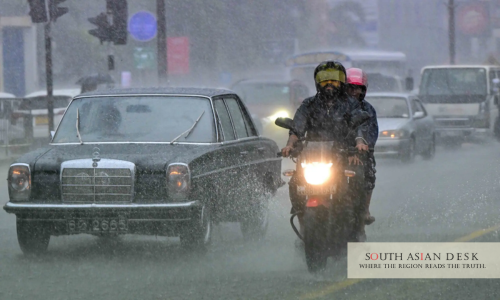
Persistent rains complicate efforts. Heavy downpours on December 5, 2025, flooded the streets of Colombo. A fresh landslide alert has been issued for previously unaffected central regions. Authorities advise against returns to homes. Around 150,000 people remain in state-run shelters. Numbers dropped from a peak of 225,000.
The cyclone aid plan integrates with broader relief. International partners mobilise support. UNICEF delivered portable water to 25 centres in the Badulla district on December 1, 2025. The agency supports 275,000 affected children among a total of 1.4 million impacted individuals.
Sri Lanka Cyclone Relief December 2025 Focuses on Vulnerable
Sri Lanka cyclone relief December 2025 prioritises food security and health. The United Nations activated emergency coordination on November 30, 2025. Sectors cover water, sanitation, education, and shelter. A multi-sector needs assessment identifies gaps with disaster authorities.
Global aid flows in. India launched Operation Sagar Bandhu. Supplies include 1,116 food packets for 10-day family sustenance. Relief bags contain water, tents, and sanitary items. Deliveries began on December 1, 2025.
The United States supplied 20,000 polysacks for embankments. Additional items include generators and cooking stoves provided by the World Food Programme. Japan sent tents, blankets, and an emergency medical team on November 30, 2025. The team assesses needs for further deployment.
The Central Bank of Sri Lanka issued Circular No. 04 of 2025 on 5 December 2025. Licensed banks offer relief to borrowers affected by the crisis. Measures ease loan repayments for individuals and businesses hit by the cyclone.
Economic strains amplify urgency. Sri Lanka emerges from its 2022 crisis. A $2.9 billion IMF bailout, agreed in 2023, aids stabilisation. Yet, the disaster overwhelms resources. President Dissanayake seeks an extra $200 million from the IMF. This supplements a $347 million tranche due this month.
The IMF responded on December 5, 2025. “The IMF remains closely engaged with the Sri Lankan authorities during this challenging period,” the statement read. “It is committed to supporting the country as it undertakes urgent efforts to recover, rebuild, and promote resilience for the future.”
Disaster Management Centre reports show escalation. As of December 6, 2025, at 12:00, impacts persist. Floods submerge the Gampaha district near Colombo. Chest-high waters hinder movement. Health systems strain under pressure.
Sri Lanka Flood Compensation Bolsters Long-Term Resilience
Sri Lanka flood compensation forms the core of the cyclone aid plan. Payments aim to facilitate permanent relocation from flood-prone areas. The finance ministry emphasises safer zoning. This addresses vulnerabilities exposed by Cyclone Ditwah.
Over two million people suffer impacts. This equals nearly 10 percent of the population. The central hills bear the brunt of landslides. Colombo faces urban flooding. Early warnings saved lives, but access blocks assessments.
UN flash updates detail the scale. Cyclone Ditwah ranks among the worst floods in two decades. It made landfall on November 28, 2025, then retreated over the Bay of Bengal. Torrents caused unprecedented inundation.
Children face acute risks. UNICEF notes that disrupted communications inflate figures. Emergency kits provide nutrition and psychosocial support. Mothers receive aid for displaced families.
The government channels donations through the Ditwah Relief Fund. Accounts accept US dollars, euros, and LKR. Duty exemptions apply to in-kind supplies. Priority items include food, water, medicine, and shelter essentials.
The cyclone aid plan ties to national disaster frameworks. The Disaster Management Centre coordinates mitigation and response efforts. It leads post-disaster activities with stakeholders. Programmes focus on risk reduction and early recovery.
Persistent rains forecast more threats. Meteorology officials predict downpours in central regions through December 7, 2025. Clean-up operations stall. Rescue teams navigate blocked routes.
Regional Implications for South Asia’s Climate Frontline
Cyclone Ditwah underscores South Asia’s shared perils. The region logged $150 billion in climate losses from 2010 to 2020, according to UN data. Sri Lanka’s crisis reflects vulnerabilities shared by India, Bangladesh, and the Maldives. Floods displace millions annually.
Aid inflows signal solidarity. India’s prompt response strengthens ties. It eases refugee pressures on borders. Enhanced resilience in Sri Lanka stabilises maritime trade routes. Remittances, vital at $7 billion annually, risk dips due to disruptions.
Economic ripple effects loom. Tourism, contributing 12 percent to GDP, suffers. Exports face delays. IMF support could avert debt spikes, now at 100 percent of GDP. Regional stability hinges on swift rebuilding.
Opposition leaders urge transparency in the allocation of funds. Parliament debates allocate LKR 50 billion for immediate relief. Audits ensure equitable distribution.
Data from the Disaster Management Centre tracks progress. Shelter occupancy falls as waters recede. Yet, disease outbreaks threaten. Cholera risks rise in camps without sanitation.
Background: Sri Lanka’s Recurring Disaster Cycle
Sri Lanka contends with cyclones yearly. Ditwah follows patterns from the Bay of Bengal. Past events, such as 2019’s Cyclone Roanu, displaced approximately 200,000 people. The 2004 tsunami killed 35,000, reshaping coastal policies.
Following the 2022 crisis, reforms prioritise fiscal buffers. The IMF programme enforces debt restructuring. Yet, climate shocks test gains. GDP growth hit 5 percent in 2025, but floods erased projections.
The Disaster Management Act of 2005 empowers the Centre. It shifts from response to prevention. International aid, like Japan’s JDR teams, builds capacity.
What’s Next for Sri Lanka Cyclone Aid
Implementation starts December 7, 2025. Verification teams assess claims. Funds are disbursed within weeks. Provincial councils tailor plans to meet local needs. IMF discussions accelerate. A decision on the tranche could be made by December 15, 2025. Resilience investments target infrastructure upgrades.
Rains may ease by mid-December. Early recovery focuses on agriculture, employing approximately 25 percent of the workforce. Seed distributions aid farmers. The Sri Lanka cyclone aid package marks a turning point. It blends immediate succour with enduring safeguards against nature’s fury.
Published in SouthAsianDesk, December 6th, 2025
Follow SouthAsianDesk on X, Instagram, and Facebook for insights on business and current affairs from across South Asia.