The Sri Lanka floods death toll reached 31 on Thursday as heavy rains triggered landslides and inundations that swept through 17 districts, burying homes and displacing over 4,000 people since last week.
The Disaster Management Centre (DMC) confirmed the fatalities in its latest situation report, with 14 others still missing and 10 injured amid the chaos. Most deaths occurred in the central highlands, where torrential downpours from a low-pressure depression east of the island intensified the northeast monsoon. Landslides claimed the majority of lives, particularly in tea-growing areas vulnerable to soil erosion.
Authorities halted passenger trains and closed roads in affected zones to prevent further tragedies. The DMC issued urgent warnings for rising river levels, urging residents in low-lying areas to seek higher ground. This week’s toll marks the highest weather-related losses in Sri Lanka since June 2024, when 26 perished in similar downpours.
Why This Crisis Echoes Across South Asia
In a region prone to erratic monsoons, Sri Lanka’s floods underscore the growing perils of climate variability for South Asian nations. The island’s central highlands, vital for tea production that sustains millions, now face disrupted harvests and livelihoods. Neighbouring India and Bangladesh, with their own flood histories, watch closely as rising sea levels and intensified cyclones amplify risks. Economically, the damage could strain Sri Lanka’s fragile recovery from past crises, highlighting the need for regional resilience investments. Simple fixes like better early-warning systems could save lives, yet funding lags amid competing priorities.
Sri Lanka Landslides Casualties 2025 Escalate in Badulla and Beyond
The Sri Lanka landslides casualties 2025 tally climbed rapidly, with Badulla district recording 18 deaths, the hardest hit. Overnight on Wednesday, mountain slopes collapsed onto homes in remote tea estates, burying 16 residents alive in mud and debris. Rescue teams worked through the night, but four bodies remained unrecovered by midday Thursday.
Adjoining Nuwara Eliya saw four fatalities from similar slides, while Kegalle reported seven. Single deaths occurred in Hambantota and Kurunegala, linked to flooding rather than slides. The National Building Research Organisation (NBRO) had issued red alerts for these districts days earlier, citing saturated soils from over 200mm of rain in 24 hours.
DMC data shows landslides affected 79 divisional secretariat divisions across the 17 impacted districts. Over 1,158 families, totaling 4,008 individuals fled their homes. Three residences suffered complete destruction, and 381 endured partial damage from debris flows. In Mullaitivu, Kilinochchi, Mannar, Vavuniya, and Jaffna in the north, floods submerged lowlands without claiming lives yet, but evacuation orders stand firm.
The crisis began on November 17, escalating over the weekend as the depression stalled offshore. Meteorology officials recorded peaks of 150mm daily in Uva and Central provinces, far exceeding seasonal norms. Strong winds felled trees and power lines, complicating access for aid workers.
Heavy Rains Sri Lanka Floods November Submerge Roads and Farms
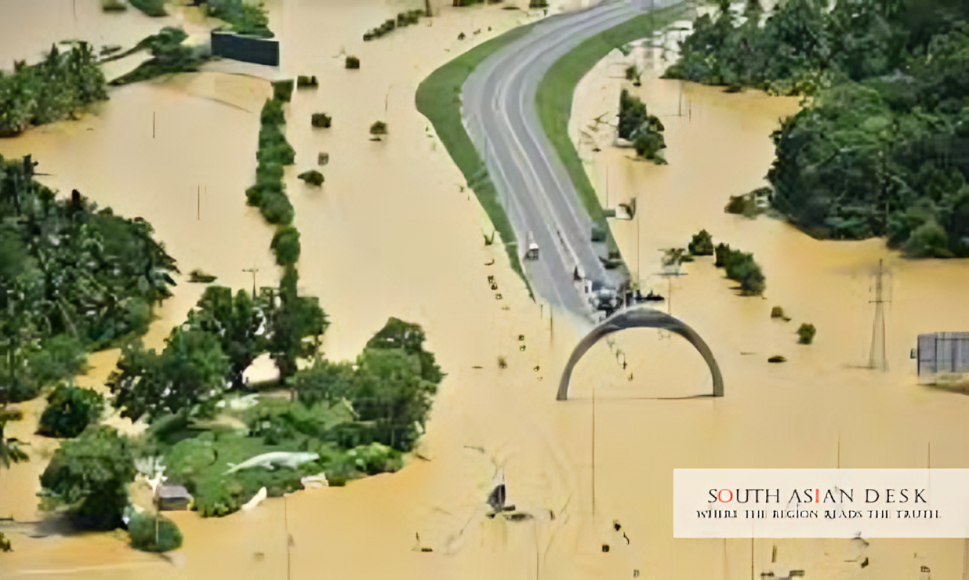
Heavy rains Sri Lanka floods November have transformed rivers into raging torrents, flooding fields and highways. The Kelani and Mahaweli rivers swelled beyond banks, stranding vehicles and halting traffic on key routes like the Colombo-Badulla highway. In Polonnaruwa, rice paddies lay underwater, threatening yields that feed local communities.
The DMC reported 131 people relocated to temporary shelters by early Thursday, up from 50 the previous day. Schools suspended final-year examinations nationwide for two days to prioritise safety. Power outages hit rural pockets, where generators now power relief hubs.
In Kegalle, a bus carrying 23 passengers stalled in floodwaters near Kumbukkana, but all escaped unharmed after swift intervention by police. Similar incidents dotted the southern province, where Galle and Matara districts braced for overflow from the Gin Ganga.
The floods’ reach extended to 12 districts by November 25, affecting 2,617 people initially. By Thursday, the figure tripled as rains persisted. Authorities deployed the tri-forces, army, navy, and air force for round-the-clock patrols, using boats to ferry supplies through submerged villages.
Flood Relief Efforts Sri Lanka Mobilise Amid Warnings
Flood relief efforts Sri Lanka ramped up as the government coordinated with international partners. The DMC hotline (117) fielded hundreds of calls, dispatching teams to high-risk zones. Dry rations, medical kits, and tarpaulins reached 1,100 families in shelters, with the World Food Programme pledging additional aid.
Rescue operations focused on Badulla’s slopes, where sniffer dogs aided in sifting rubble. The army airlifted essentials to isolated estates, while navy divers probed submerged vehicles for trapped motorists. No major disease outbreaks emerged, but health officials distributed chlorine tablets to prevent waterborne illnesses.
President Anura Kumara Dissanayake directed cabinet ministers to oversee district-level responses, emphasising swift reconstruction. “We stand ready to rebuild stronger,” a DMC spokesperson stated in the situation report, without attributing direct quotes to individuals.
International observers, including the European Commission’s ECHO, monitored the situation via daily flashes, noting parallels to 2024’s events. Local NGOs like the Sarvodaya Relief Centre joined hands, providing psychosocial support to grieving families.
Background: Monsoon Patterns Fuel Recurring Disasters
Sri Lanka’s northeast monsoon typically peaks in November, bringing vital rains but also havoc when intensified by climate shifts. Last year, similar weather killed 17 in December floods. The 2016 deluge claimed over 100 lives, exposing infrastructure gaps. Tea estates, employing 1.3 million, suffer disproportionately, with landslides eroding terraced hillsides. Government investments in retaining walls and drainage have progressed, yet experts call for more.
What’s Next: Vigilance as Rains Linger
Forecasters predict showers until November 30, with flash flood risks in Sabaragamuwa and Southern provinces. The DMC plans daily updates, urging communities to heed NBRO alerts. Reconstruction bids target damaged homes by mid-December, but the Sri Lanka floods death toll 31 serves as a stark reminder of monsoon fury’s toll.
Published in SouthAsianDesk, November 27th, 2025
Follow SouthAsianDesk on X, Instagram, and Facebook for insights on business and current affairs from across South Asia.