Sri Lanka trade deficit widened to USD 910 million in September 2025, up from USD 634 million a year earlier, as imports rose sharply while exports posted moderate growth.
The Central Bank of Sri Lanka released data on Friday showing import expenditure topped USD 2 billion for the month. This marked a 24.5 per cent year-on-year increase in Sri Lanka imports rise 24.5% 2025 trend. Officials attributed the jump mainly to higher vehicle purchases.
Exports climbed 12.5 per cent to USD 1,138 million. Yet Sri Lanka exports growth but deficit expands pattern persisted, with the gap ballooning due to faster import expansion.
Why This Matters in South Asia
Sri Lanka’s trade imbalance signals broader regional pressures. As a key Indian Ocean hub, the island’s import reliance affects supply chains across South Asia. Neighbours like India and Pakistan face similar post-pandemic hurdles. A widening deficit could slow Colombo’s IMF-backed reforms, influencing cross-border investments and remittance flows. Stable reserves offer a buffer, but sustained Sri Lanka trade deficit widens risks testing investor confidence in the subcontinent.
Surge in Imports Drives Deficit Expansion
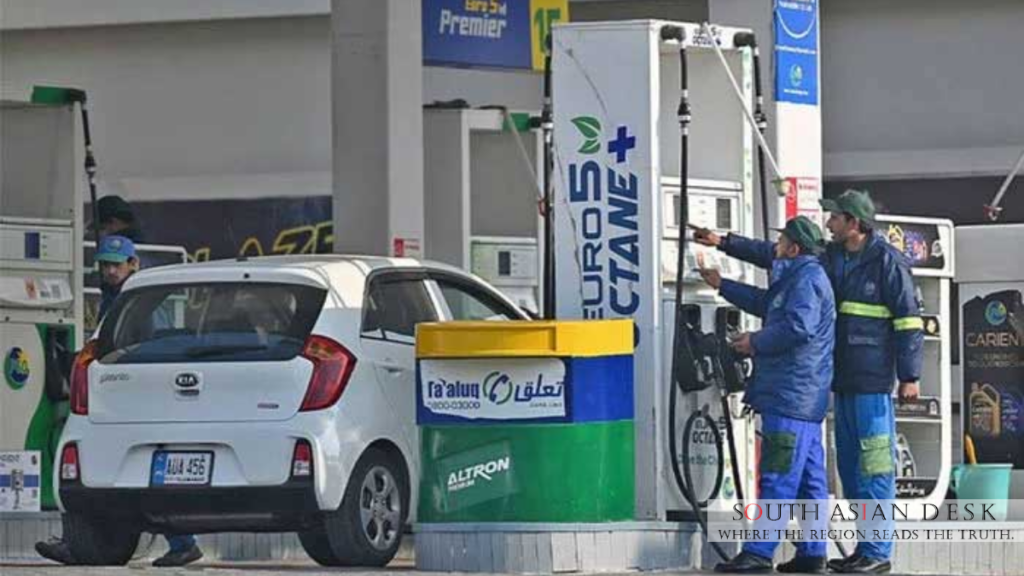
Merchandise imports hit USD 2,049 million in September. This reflects a 24.5 per cent rise from the prior year. Vehicle imports led the charge at USD 286 million. Personal and commercial vehicles accounted for much of the demand.
Central Bank figures detail the breakdown. Consumer goods imports grew 86.2 per cent. Non-consumer goods surged 174.7 per cent, with medical and pharmaceutical products up 19.9 per cent. Intermediate goods increased 13.4 per cent. Capital goods rose 6.8 per cent.
The data underscores how Sri Lanka imports rise 24.5% 2025 fuels economic activity. Post-crisis easing of restrictions boosted consumer spending. Yet this velocity widened the trade chasm.
Year-to-date through September, imports totalled USD 15.4 billion. That marks a 12.2 per cent gain over 2024’s USD 13.7 billion. Cumulative vehicle imports reached USD 1,204 million.
Exports Show Resilience Amid Challenges
Merchandise exports reached USD 1,138 million last month. The 12.5 per cent growth beat expectations slightly. Mineral and other goods doubled, up 100.3 per cent. Agricultural shipments climbed 26.3 per cent. Industrial exports edged 8 per cent higher.
Total goods and services exports for January-September grew 5.9 per cent year-on-year to USD 15.5 billion. This provides some offset to import pressures.
Still, Sri Lanka exports growth but deficit expands reality bites. The monthly deficit hit USD 910 million, versus USD 634 million in September 2024. Cumulative merchandise trade deficit stands at USD 5.2 billion for the nine months, up from USD 4.2 billion last year.
Terms of trade improved slightly. Export prices outpaced import costs, per Central Bank metrics. This eases some strain on the rupee.
Vehicle Imports: A Double-Edged Sword
The USD 286 million in vehicle imports highlights pent-up demand. Personal vehicles alone drove much of the spike. Commercial imports supported logistics recovery. Central Bank notes this surge as the primary deficit driver. Eased import duties post-2022 crisis encouraged inflows. Yet it exposes reliance on foreign exchange.
Broader External Sector Snapshot
Sri Lanka’s current account flipped to a USD 183 million deficit in September. This ended a run of surpluses from January to August. Cumulative surplus for the period holds at USD 1.9 billion. Services inflows netted USD 2.8 billion year-to-date, up marginally. Tourism earnings grew 5.3 per cent to support the figure. September arrivals rose sharply year-on-year.
Workers’ remittances hit USD 696 million in September, a 25.2 per cent jump. Cumulative remittances expanded 20 per cent. Foreign investment in government securities brought USD 38 million net inflows. Stock market saw USD 16 million outflows.
Gross official reserves stayed at USD 6.2 billion, including a swap with China’s People’s Bank. This covers external debt needs. The Sri Lanka rupee depreciated 3.9 per cent against the US dollar in the ten months to October.
Background: Post-Crisis Trade Dynamics
Sri Lanka’s economy grappled with a 2022 default. IMF bailout terms demanded fiscal discipline. Trade balances improved initially through import curbs.
Exports rebounded on apparel and tea strengths. Yet global slowdowns and fuel costs pressured imports. September’s data fits a pattern. Earlier months showed narrower deficits. August’s gap was slimmer at around USD 500 million, per prior releases. Sri Lanka trade deficit widens in late 2025 revives concerns. Policymakers balance growth with stability.
What’s Next for Sri Lanka’s Trade Path
Central Bank monitors reserves closely. Upcoming IMF reviews in December could unlock further funding.
Officials eye export diversification. Agricultural boosts and mineral deals aim to counter import reliance. Analysts predict targeted duties on non-essentials. This could temper Sri Lanka imports rise 24.5% 2025 momentum. Sri Lanka exports growth but deficit expands may ease if tourism peaks in Q4. Remittances offer steady support.
Forward measures will shape if Sri Lanka trade deficit widens persists into 2026. Stable reserves buy time for reforms. The Central Bank data paints a mixed picture. Growth returns, but imbalances linger. Regional partners watch as Colombo navigates recovery.
Published in SouthAsianDesk, November 1st, 2025
Follow SouthAsianDesk on X, Instagram, and Facebook for insights on business and current affairs from across South Asia.