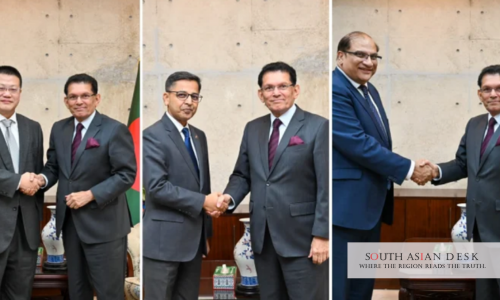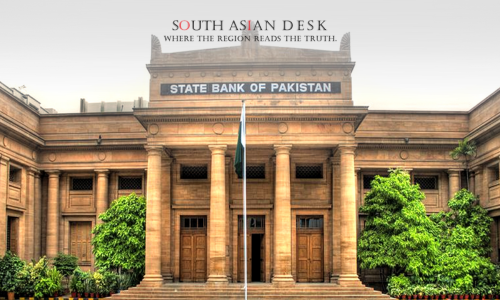
The State Bank of Pakistan and UN Women Pakistan have signed a pact to boost financial inclusion and promote gender equality. The State Bank of Pakistan Banking Services Corporation (SBP BSC) and UN Women Pakistan signed a memorandum of understanding (MOU) on Wednesday, August 27, 2025, in Karachi to advance women empowerment by enhancing financial inclusion, literacy, and access to finance through joint initiatives and research.
State Bank of Pakistan’s Role in Financial Inclusion
The agreement between SBP BSC, a wholly-owned subsidiary of the State Bank of Pakistan, and UN Women Pakistan focuses on creating an enabling environment for women’s economic participation. It emphasises identifying and addressing barriers that limit women’s involvement in the financial sector, particularly in underserved regions.
Key areas of cooperation include organising joint seminars and conferences, delivering capacity-building and awareness programmes, and conducting collaborative research. The initiative also aims to promote the adoption of digital financial services to expand access in remote areas, thereby supporting sustainable opportunities for women empowerment.
The signing ceremony was attended by Maraj Mahmood, managing director of SBP BSC, and Jamshed Kazi, country representative of UN Women Pakistan. The MoU, while not creating legally binding obligations, establishes a framework for both organisations to leverage their expertise, networks, and resources for long-term impact.
Quotes from Key Stakeholders on Women Empowerment
At the event, Jamshed Kazi underscored the significance of inclusive financial systems in promoting gender equality. He stated that financial inclusion is essential to unlocking the potential of women in Pakistan, adding that the partnership aims to create pathways for women to access financial services, build resilience, and contribute to sustainable economic growth.
Maraj Mahmood highlighted the State Bank of Pakistan’s commitment to enhancing women’s participation in the financial sector. He noted that the collaboration reflects the central bank’s vision to expand financial literacy and access to finance for underserved groups, particularly women, while addressing structural barriers and promoting innovative solutions for inclusive economic development.
Broader Implications for Gender Equality
The partnership aligns with UN Women’s ongoing efforts to advance women’s empowerment, including in the context of the Beijing+30 review process and Pakistan’s national commitments to gender equality. By focusing on digital financial services and research into barriers, the initiative seeks to foster greater economic resilience among women, who often face limited access to formal banking and credit facilities.
In Pakistan, women constitute a significant portion of the population yet remain underrepresented in financial services. Government data from the State Bank of Pakistan indicates that female account ownership lags behind male counterparts, with initiatives like this MoU aiming to bridge that gap through targeted programmes. The collaboration could lead to increased adoption of mobile banking and microfinance options tailored for women in rural and low-income areas.
This move comes amid broader efforts by the State Bank of Pakistan to promote financial inclusion. For instance, the central bank has previously introduced policies such as the Banking on Equality initiative, which encourages gender-responsive banking practices. The new partnership builds on these foundations, potentially amplifying impact through international expertise from UN Women.
Background
The State Bank of Pakistan has long prioritised financial inclusion as part of its mandate, with subsidiaries like SBP BSC handling operational aspects such as currency management and development finance. UN Women Pakistan, part of the United Nations entity dedicated to gender equality, has engaged in various projects to support women’s empowerment, including collaborations with the private sector for policy advocacy and skills development. This MoU represents a convergence of national and international efforts to tackle gender-based economic disparities, following similar pacts in areas like sports and corporate policies.
What’s Next
Future activities under the MoU may include pilot programmes for digital literacy training and research publications on financial barriers, with stakeholders monitoring progress to ensure tangible outcomes for women empowerment.
As this collaboration unfolds, the State Bank of Pakistan remains central to driving inclusive growth, potentially inspiring similar regional partnerships.
Published in SouthAsianDesk, August 28th, 2025
Follow SouthAsianDesk on X, Instagram, and Facebook for insights on business and current affairs from across South Asia.