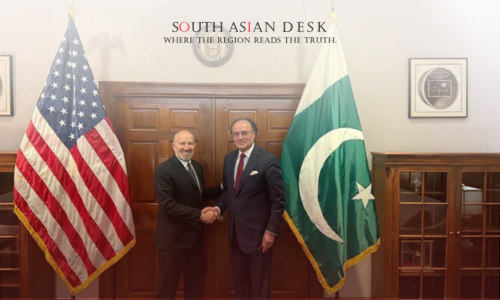
Pakistan’s Finance Minister, Muhammad Aurangzeb, met with top US officials in Washington, D.C., on July 18, 2025, to push forward efforts for a bilateral trade agreement between the two countries. Key meetings included discussions with US Commerce Secretary Howard Lutnick and Deputy US Trade Representative Jamieson Greer, focusing on tariff reductions, export incentives, and improved economic cooperation.
A major point of concern was the 29% tariff currently imposed by the US on certain Pakistani exports, largely influenced by Pakistan’s reported $3 billion trade surplus. In response, Islamabad proposed easing duties on US cotton and soybean imports, while requesting favorable textile tariff adjustments that could boost Pakistani exports by $2–3 billion annually.
Both sides also considered World Trade Organization (WTO)-compliant incentives to encourage balanced trade. These talks follow a virtual meeting held last month and signal progress toward either a Preferential Trade Agreement (PTA) or a more comprehensive Bilateral Trade Treaty (BTT) in the near future.
Public sentiment on social platforms like X (formerly Twitter) shows growing hope for tariff relief, especially among textile industry stakeholders. Many also highlighted the potential for increased US investment in Pakistan’s mining and energy sectors.
Minister Aurangzeb reiterated that the US remains Pakistan’s largest trading partner, underscoring opportunities in information technology, agriculture, and mineral resources. These trade negotiations align with Pakistan’s broader strategy to stabilize its economy following the challenges of 2023, including inflation and foreign exchange pressures.
With sustained diplomatic engagement and aligned economic interests, both nations appear poised to deepen trade ties and pursue mutually beneficial outcomes in the months ahead.
Published in SouthAsianDesk, July 19th, 2025
Follow SouthAsianDesk on X, Instagram and Facebook for insights on business and current affairs from across South Asia.