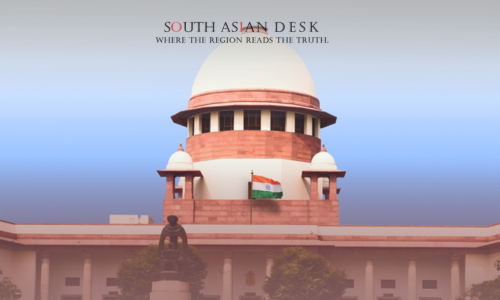
In a heart-wrenching move, India’s Supreme Court has taken suo moto cognisance of the struggles faced by cadets who suffered life-altering disabilities during military training at premier institutes like the National Defence Academy (NDA). The plight of these young men and women, once brimming with dreams of serving the nation, has struck a chord with millions, as they grapple with mounting medical bills and a lack of institutional support. This landmark action, set for a hearing on August 18, 2025, offers hope to those left in the shadows of a system that has yet to fully acknowledge their sacrifices.
The court’s decision follows reports of approximately 500 officer cadets discharged from military institutes since 1985, their careers cut short due to injuries sustained during rigorous training. These individuals, selected through intense competition to train at the NDA and Indian Military Academy (IMA), now face a future marked by financial strain and physical hardship. For many, the dream of donning a uniform has been replaced by the stark reality of medical debt, with monthly ex-gratia payments of up to Rs 40,000 falling short of their needs. The emotional toll is palpable, as families rally around their loved ones, seeking justice and support.
Supreme Court Addresses Cadet Struggles
The Supreme Court’s intervention, led by Justices B.V. Nagarathna and R. Mahadevan, was prompted by a media report highlighting the cadets’ struggles. Unlike soldiers injured during service, these cadets are denied ex-servicemen (ESM) status because their disabilities occurred before commissioning. This technicality excludes them from the Ex-Servicemen Contributory Health Scheme (ECHS), which provides free treatment at military hospitals. The disparity is stark: soldiers in similar circumstances receive comprehensive benefits, while cadets are left with inadequate compensation, often unable to cover medical expenses averaging Rs 50,000 monthly.
At the NDA alone, around 20 cadets were medically discharged between 2021 and July 2025, each case a story of ambition thwarted by unforeseen tragedy. From spinal injuries to limb impairments, the disabilities vary, but the outcome is the same: a life altered, with limited recourse. The court’s suo moto action, registered as “In Re: Cadets Disabled in Military Training Struggle,” aims to address this systemic gap, raising questions about fairness and accountability in military training protocols.
The human cost of this issue resonates deeply. Imagine a young cadet, barely in their twenties, enduring gruelling drills to serve their country, only to be sidelined by an injury that changes everything. Families, once proud of their child’s selection to elite academies, now face uncertainty, their savings drained by ongoing treatments. The lack of ESM status not only denies them medical support but also diminishes their sense of belonging to the military community they aspired to join. This injustice has sparked a collective call for change, with citizens urging authorities to recognise these cadets’ sacrifices.
Efforts to address the issue have faced delays. A proposal approved by the Defence Minister to increase ex-gratia payments by 50% remains stuck in bureaucratic limbo, caught between ministries. This delay, costing an estimated Rs 11.43 crore annually, underscores the challenges of reforming a system slow to adapt. The Supreme Court’s involvement now places pressure on policymakers to act swiftly, ensuring these cadets receive the support they deserve.
As the hearing approaches, the nation watches with bated breath. The court’s decision could set a precedent, not only for cadets but for all who suffer in service to their country before formal recognition. It is a moment of reckoning, a chance to right a wrong that has persisted for decades. For the affected cadets, this is more than a legal battle; it is a fight for dignity, for acknowledgment of their courage, and for a future where their sacrifices are not forgotten.
The Supreme Court, suo moto, National Defence Academy case is a beacon of hope, illuminating the path toward justice for those who gave their all, only to be left behind. It is a reminder that even in the face of adversity, the pursuit of fairness endures, offering solace to those who bear the scars of their service.
Published in SouthAsianDesk, August 17th, 2025
Follow SouthAsianDesk on X, Instagram and Facebook for insights on business and current affairs from across South Asia.