Sweden aid to Afghanistan continues with a timely contribution announced on 11 January 2026. Sweden donates to Afghanistan through the Special Trust Fund for Afghanistan (STFA), providing $6.4 million aid Afghanistan to expand essential services. The funding aims to strengthen economic and climate resilience for communities affected by displacement. This Sweden aid to Afghanistan arrives as the United Nations appeals for $1.71 billion to meet humanitarian needs in 2026, with nearly 22 million people requiring assistance.
The STFA expressed gratitude for the support in a post on X on 11 January 2026. The contribution will help expand essential services aimed at strengthening economic and climate resilience for communities affected by displacement. United Nations agencies have repeatedly warned of severe funding shortfalls that hinder aid projects aligned with the needs of people in Afghanistan.
Why This Matters in South Asia
The ongoing humanitarian crisis in Afghanistan directly impacts neighbouring countries in South Asia, particularly Pakistan and India. Large-scale displacement, returnee inflows from Pakistan and Iran, and climate-related challenges such as droughts and floods increase regional pressures. Millions of Afghan returnees strain resources in host countries. International support like this $6.4 million aid Afghanistan helps stabilise communities, reducing migration flows and supporting long-term regional security and economic stability. In Pakistan, where millions of Afghan refugees reside, sustained aid prevents further border tensions and humanitarian spillover.
Details of the Contribution
The donation of 60 million Swedish kronor, equivalent to $6.4 million, targets vulnerable groups through the STFA. Established by the United Nations in October 2021, the fund addresses basic human needs in essential services, basic infrastructure, livelihoods, disaster mitigation, and advocacy for human rights and women’s empowerment. This latest Sweden aid to Afghanistan complements broader efforts to prevent socio-economic collapse.
The STFA operates under the United Nations Strategic Framework for Afghanistan, focusing on sustained essential services, economic opportunities, resilient livelihoods, and social cohesion. Sweden’s contribution supports programming that builds resilience against recurring shocks, including climate-driven disasters and economic fragility.
Humanitarian Context in Afghanistan
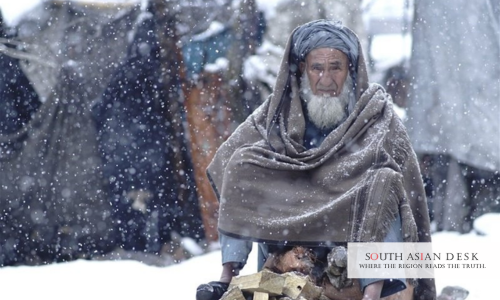
Afghanistan faces one of the world’s largest humanitarian crises. An estimated 21.9 million people—around 45 per cent of the population—require assistance in 2026. The United Nations launched a $1.71 billion humanitarian needs and response plan for the year, targeting 17.5 million of the most vulnerable. Priorities include food, shelter, healthcare, nutrition, safe water, hygiene, and multipurpose cash support.
Key drivers include deep structural vulnerability, worsening food insecurity, recurrent shocks such as drought, large-scale returnee inflows, earthquakes, floods, disease outbreaks, and severe protection risks, particularly for women and girls. More than one-third of the population faces crisis-level or worse food insecurity during the lean season. Funding shortfalls threaten basic services and livelihoods.
Sweden donates to Afghanistan as part of its ongoing commitment to development cooperation. Previous contributions from Sweden to similar mechanisms have supported essential services and resilience-building. This $6.4 million aid Afghanistan demonstrates continued donor engagement despite challenges.
Forward-Looking Impact
The contribution is expected to bolster programmes that help vulnerable communities recover and build long-term resilience. By focusing on economic and climate resilience, Sweden aid to Afghanistan addresses root causes of displacement and poverty. As humanitarian needs persist, sustained international support remains critical to preventing further deterioration. Many countries like Oman, Saudi Arabia, and Turkiye sent an aid to Afghanistan.
What’s Next
Humanitarian partners will monitor implementation through the STFA and coordinate with UN agencies. Additional donor contributions are needed to close the $1.71 billion gap. Progress will depend on effective delivery amid access constraints and economic pressures.
Published in SouthAsianDesk, January 12th, 2026
Follow SouthAsianDesk on X, Instagram and Facebook for insights on business and current affairs from across South Asia.