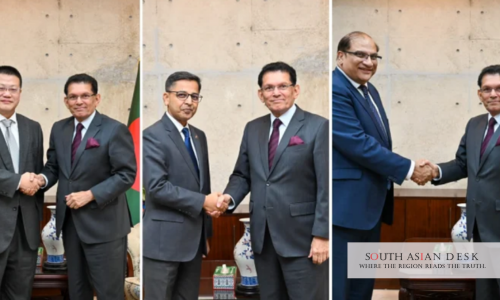
A high-level Tajik delegation arrived in Kabul on Saturday, November 15, 2025, to hold discussions with Taliban officials on security and economic cooperation. The visit, the first of its kind since 2021, involves officials from Tajikistan’s foreign ministry and security agencies. It aims to address border threats and boost trade ties. Sources confirm meetings occurred at the Taliban foreign ministry.
This Tajik delegation Kabul visit holds significance for South Asia. Stable Afghanistan-Tajikistan relations can curb militancy spillover into Central Asia and India. Enhanced economic links may foster regional connectivity projects like CASA-1000, easing energy shortages in Pakistan and beyond. Amid global isolation of the Taliban, Dushanbe’s engagement offers Kabul a rare diplomatic lifeline, potentially reducing humanitarian crises that strain neighbouring economies.
Tajikistan Taliban Security Talks Dominate Agenda
The Tajik delegation Kabul visit prioritised Tajikistan Taliban security talks. Delegates met Taliban acting foreign minister Amir Khan Muttaqi and security chief Sirajuddin Haqqani. Discussions focused on cross-border threats, including the Islamist group Jamaat Ansarullah, which operates from Afghan soil and targets Tajik stability. Tajik officials expressed concerns over militant safe havens. Taliban counterparts pledged joint patrols along the 1,344-kilometre border.
A well-placed source told Pajhwok Afghan News the talks marked progress after months of tension. In October 2025, clashes erupted between Tajik border guards and Taliban fighters in Badakhshan province. No official casualty figures emerged, but the incident heightened Dushanbe’s vigilance. This visit builds on earlier engagements, such as the September 2024 trip by Tajik security chief Rustam Emomali to Kabul for similar dialogues.
Tajik representatives reaffirmed non-support for Taliban opponents during the talks. This stance aligns with Dushanbe’s policy to avoid fuelling instability. Taliban media outlets, including Bakhtar News, described the meetings as “constructive” for mutual trust.
Security cooperation extends to intelligence sharing. The delegation discussed mechanisms to counter drug trafficking routes that fund extremism. Afghanistan remains a major opium producer, with 2025 UN data estimating 6,200 tonnes harvested, much transiting Tajikistan. Joint operations could disrupt these networks, benefiting both nations’ counter-terrorism efforts.
Afghanistan Tajikistan Economic Cooperation Delegation Eyes Trade Boost
Beyond security, the Afghanistan Tajikistan economic cooperation delegation segment promised tangible gains. Talks covered reopening the Afghan embassy in Dushanbe, closed since the Taliban’s 2021 takeover. Restoring diplomatic presence would facilitate visa processes and business visas.
Economic discussions highlighted infrastructure projects. The CASA-1000 initiative, linking Kyrgyzstan, Tajikistan, Afghanistan and Pakistan via a 1,300-kilometre transmission line, stalled under previous Afghan governments. Delegates explored resuming construction, which could export 3,000 megawatts of surplus hydropower from Central Asia to South Asia at USD 0.047 per kilowatt-hour. Pakistan faces chronic power shortages, with 2025 demand exceeding supply by 7,000 megawatts during peaks.
Trade volumes between Afghanistan and Tajikistan reached USD 150 million in 2024, per World Bank figures, mainly in electricity imports to northern Afghan provinces. The delegation proposed easing tariffs on agricultural goods like Tajik cotton and Afghan fruits. A free trade agreement framework emerged as a key outcome.
Investment pledges included Tajik funding for Afghan road networks connecting to the Wakhan Corridor. This route offers China alternative access to the Arabian Sea, bypassing volatile Pakistan routes. Enhanced connectivity could increase bilateral trade by 20 per cent annually, analysts estimate.
High-Level Tajik Officials Bolster Afghanistan Ties
The high-level Tajik officials Afghanistan ties push featured prominent figures. Led by a deputy foreign minister, the group included State Committee on National Security representatives. Taliban side comprised acting ministers from interior, defence and economy portfolios.
This composition underscores the visit’s gravity. Tajikistan, a key SCO member, views stable Afghan ties as vital for its 9 million population’s security. Dushanbe hosts over 100,000 Afghan refugees, straining resources amid USD 4.5 billion annual remittances from migrant workers.
Bilateral history reflects ups and downs. Post-2001, Tajikistan supported US-led efforts in Afghanistan with airbase access. Taliban victory reversed gains, prompting border fortifications costing TJS 500 million (Tajik somoni). Recent thaws, like the October 2025 visit by Balkh governor Yousuf Wafa to Dushanbe, set the stage. Wafa urged diplomatic recognition, which Tajik president Emomali Rahmon has not granted, citing human rights concerns.
Background: Evolving Neighbours’ Relations
Relations soured after 2021, with Tajikistan sheltering anti-Taliban figures and refusing recognition. Incidents like the 2022 Panjshir clashes displaced thousands across the border. Yet, pragmatic needs prevailed. Afghanistan imports 70 per cent of its northern electricity from Tajikistan, valued at USD 50 million yearly.
International actors watch closely. Russia, via CSTO, backs Tajik defences, while China invests in Belt and Road projects linking both. India’s USD 3 billion aid to Afghanistan includes Tajik corridor enhancements.
What’s Next for the Tajik Delegation Kabul Visit
Future steps include follow-up committees on security and a joint economic commission by early 2026. Embassy reopening talks may conclude within months. Success hinges on Taliban implementing anti-militant pledges.
The Tajik delegation Kabul visit ends on a note of cautious optimism, potentially paving the way for sustained dialogue.
Published in SouthAsianDesk, November 16th, 2025
Follow SouthAsianDesk on X, Instagram, and Facebook for insights on business and current affairs from across South Asia.