Taliban FM Muttaqi India Visit will start on October 9 for talks with External Affairs Minister S Jaishankar, marking the first senior-level visit since 2021. The trip, enabled by a UN exemption, focuses on humanitarian aid and security amid the Taliban’s recognition push India. Who gains from this diplomatic outreach? How will it reshape South Asian ties?
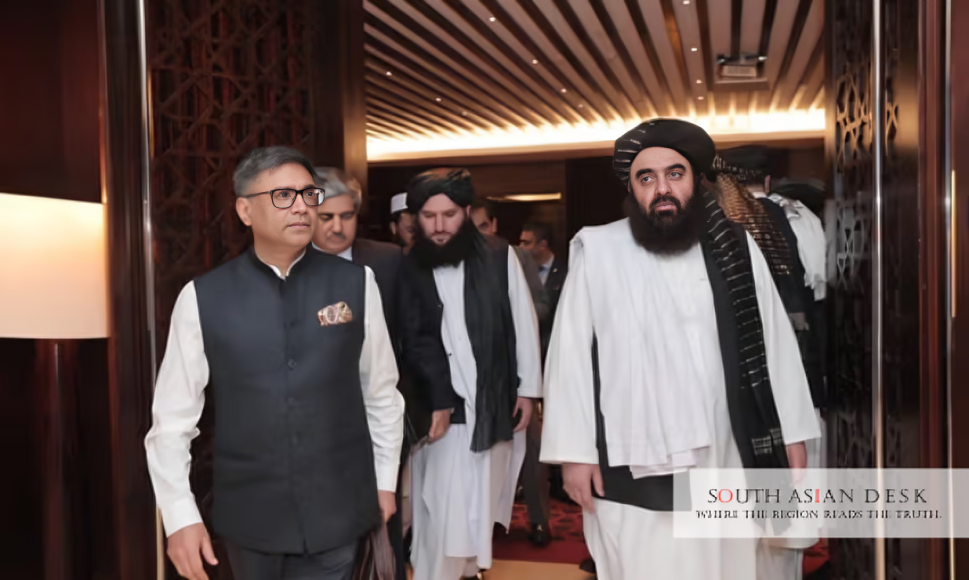
India hosts Taliban Foreign Minister Amir Khan Muttaqi next week in a move that underscores New Delhi’s pragmatic approach to Afghanistan. The visit addresses key issues like aid and counter-terrorism. It occurs four years after the Taliban’s takeover. The UN Security Council granted a travel waiver on September 30. This allows Muttaqi to stay until October 16.
Taliban Recognition Push India Takes Centre Stage
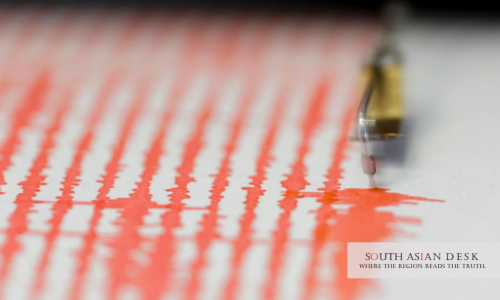
The Taliban recognition push India forms the core of Muttaqi’s agenda. Afghan officials view the trip as a step toward legitimacy. No country except Russia has formally recognised the regime since August 2021. India maintains it aligns with global stances on recognition. Yet New Delhi has ramped up humanitarian support. This includes aid after an August earthquake that killed over 1,000 people.
Suhail Shaheen, head of the Taliban’s political office in Qatar, stressed the value of such visits. He said high-level engagements explore trade cooperation. Shaheen noted the Taliban’s appreciation for India’s historical friendship with Afghans. This reflects Kabul’s broader drive for acceptance.
India’s humanitarian aid totals over $3 billion since 2001. Projects span roads, dams, hospitals, and power lines. Recent efforts focus on health and refugee rehabilitation. In January 2025, Foreign Secretary Vikram Misri met Muttaqi in Dubai. They discussed development needs. India approved entry for 160 Afghan trucks carrying dry fruits in May as a gesture.
The UN Security Council’s 1988 Committee approved the exemption under Resolution 1988 (2011). This regime targets Taliban leaders with travel bans. The waiver permits official duties. A UN statement confirmed the decision on September 30. It allows the visit from October 9 to 16.
Jaishankar Muttaqi Meeting to Tackle Security and Trade
The Jaishankar Muttaqi meeting on October 10 will cover multiple fronts. Counter-terrorism tops the list. India seeks Taliban commitments against groups like Lashkar-e-Taiba. The Taliban condemned the April 22 Pahalgam attack that killed 26 civilians. That strike, blamed on Pakistan-based proxies, led to India’s Operation Sindoor.
External Affairs Minister S Jaishankar spoke with Muttaqi on May 15, 2025. It was their first ministerial contact since 2021. Jaishankar thanked him for rejecting “attempts to create distrust” via false reports. Pakistani media had claimed Indian missiles hit Afghan soil during Operation Sindoor. Kabul dismissed those as baseless.
Jaishankar reiterated India’s friendship with Afghan people. He pledged support for development. Muttaqi sought eased visas for traders and patients. He also requested release of Afghan prisoners in India. Jaishankar assured prompt attention to these.
Trade features prominently in the Jaishankar Muttaqi meeting. Afghanistan exports dry fruits and nuts to India. The Attari border handles much of this. Talks may address embassy upgrades. India handed consulates in Mumbai and Hyderabad to Taliban diplomats. Sources hint at possibilities for the New Delhi embassy.
Infrastructure like Iran’s Chabahar port could arise. India uses it for Afghan access despite US sanctions. The US ended a 2018 carve-out. Yet New Delhi pushes for continued operations. This aids landlocked Afghanistan.
Analysts see the Taliban recognition push India as timely. Relations with Pakistan soured after Islamabad repatriated 80,000 Afghan refugees. Cross-border strikes followed. India leverages this to deepen ties. Sayed Akbar Sial Wardak, a political analyst, noted the visit’s brevity limits big outcomes. He said India will monitor issues closely before decisions.
Wahid Faqiri, another analyst, highlighted improving relations. He linked it to Kabul-Islamabad tensions. India aims to advantage from this shift.
Background: Evolution of India-Taliban Ties Post-2021
India evacuated its Kabul embassy after the 2021 takeover. It reopened a technical mission in 2022 for aid oversight. Engagement stayed low-key. Focus remained on humanitarian channels.
Quiet diplomacy built momentum. In June 2022, diplomat J.P. Singh visited Kabul. He met Taliban leaders. November 2024 saw Singh return for defence talks. January 2025’s Dubai meeting marked an upgrade.
May’s phone call followed the Pahalgam fallout. It eased truck border halts. Trade resumed swiftly.
Recent Taliban visits to India include Deputy Minister Hamdullah Zahid in September for a pharma expo. A security official came in September too.
India avoids formal ties amid concerns over women’s rights and minorities. Yet it engages pragmatically. This balances global norms with regional needs.
The Taliban recognition push India fits this pattern. Kabul seeks economic lifelines. New Delhi eyes stability to curb terror spillovers.
Impact on South Asia: Stability Amid Shifts
This story matters in South Asia for its ripple effects. Afghanistan’s instability fuels migration and extremism. India-Afghan ties counter Pakistan’s influence. Stronger links via Chabahar bypass rivals. The Jaishankar Muttaqi meeting could yield aid pledges. Post-earthquake relief hit $25 million. More may follow.
Broader recognition eases sanctions. It aids trade corridors like the International North-South Transport Corridor. This connects India to Central Asia.Pakistan’s UNSC chair role in the waiver adds irony. Tensions with Kabul eased the approval. Regional powers like China and Iran watch closely. Beijing invited Muttaqi in May.
South Asia gains from de-escalation. Terror groups exploit divides. Taliban-India cooperation starves them of space. Critics worry recognition legitimises hardline policies. India ties aid to inclusive governance. No quick nod expected.
What’s Next for Taliban FM Muttaqi India Visit
The Taliban FM Muttaqi India visit sets precedents. Outcomes may include visa streamlining and prisoner releases. Trade volumes could rise 20% next year. Kabul eyes more platforms like Moscow Format. Muttaqi attends there on October 6 as a full member.
India may host more Taliban officials. Embassy handover looms. Global eyes stay on human rights. UN reports note restrictions on women. India raises these privately.
The Taliban recognition push India continues. Patience defines New Delhi’s stance. Incremental steps build trust. In conclusion, the Taliban FM Muttaqi India visit marks a pivotal moment. It advances dialogue without hasty commitments. South Asia watches for sustained peace.
Published in SouthAsianDesk, October 5th, 2025
Follow SouthAsianDesk on X, Instagram, and Facebook for insights on business and current affairs from across South Asia.