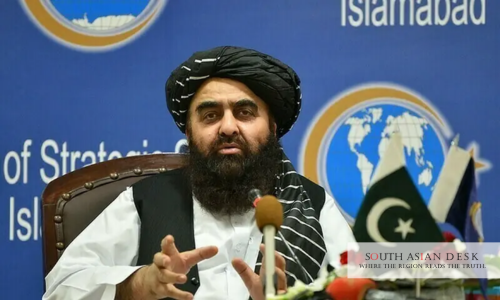
India will receive acting Afghan Foreign Minister Amir Khan Muttaqi for an official visit from 9 to 16 October 2025, following a temporary lift of his UN Security Council travel ban. This Taliban minister India visit represents the highest-level engagement between New Delhi and Kabul’s interim administration since the Taliban seized power four years ago.
The trip, enabled by UNSC exemptions under Resolution 1988 (2011), aims to boost bilateral talks on trade and humanitarian aid. Indian officials confirm ongoing contacts, while Afghan counterparts highlight cooperation opportunities. How might this reshape South Asian dynamics?
Significance of Taliban Minister India Visit
This development underscores a pragmatic shift in India’s Afghanistan policy. New Delhi has maintained humanitarian channels with the Taliban-led government despite withholding formal recognition, a stance shared by most nations except Russia. The visit follows a telephonic conversation between Indian External Affairs Minister S Jaishankar and Muttaqi earlier this year, alongside joint secretary-level dialogues. It also builds on India’s rapid response to an 31 August 2025 earthquake in Kunar province, delivering relief via airlift and Iran’s Chabahar port.
In South Asia, the story matters for trade corridors and security. Afghanistan serves as a gateway for India’s access to Central Asia via the International North-South Transport Corridor. Enhanced ties could stabilise cross-border commerce, vital amid Pakistan’s volatile relations with Kabul. Yet, concerns linger over human rights, particularly women’s education bans and minority protections, which Indian diplomats may address privately.
UNSC Lifts Ban Enabling Taliban FM India Trip
The UN Security Council Committee granted the exemption to allow Muttaqi’s travel for official duties, a provision in sanctions targeting Taliban-linked individuals. Muttaqi faces asset freezes and travel restrictions, but such waivers support diplomatic engagement. This UNSC lifts ban Taliban FM India trip paves the way for substantive discussions, marking a rare concession since the Taliban’s 2021 takeover.
Official Spokesperson Randhir Jaiswal noted the exemption’s public availability during a 3 October 2025 briefing, emphasising India’s continued dialogue with Kabul’s interim setup. “We have been having conversations with the interim government in Afghanistan,” Jaiswal stated. He referenced the Jaishankar-Muttaqi call and aid shipments post-earthquake, signalling a functional rapport.
From the Afghan side, deputy spokesperson Zia Ahmad Takal outlined priorities. “Discussions during the trip would centre around bilateral cooperation, trade exchanges, exports of dry fruit, facilities in the health sector, consular services and various ports,” Takal said. Dry fruits, a key Afghan export, could see boosted volumes to India, where bilateral trade hit USD 1.5 billion in 2024, per government data.
Historical Context of India-Afghan Ties
India and Afghanistan shared robust partnerships pre-2021, with New Delhi investing over USD 3 billion in infrastructure like the Salma Dam and Parliament building. The Taliban takeover prompted India’s Kabul embassy closure, replaced by a technical team in 2022 for aid coordination.
Post-seizure, India prioritised humanitarianism. It supplied 500,000 doses of COVID-19 vaccines and wheat shipments worth 50,000 tonnes. Recent engagements include Chabahar port usage for Afghan cargo, bypassing Pakistan. This Taliban minister India visit extends that trajectory, potentially unlocking frozen assets or visa facilitations.
Analysts view it as regional realpolitik. “Afghanistan is in dire need of establishing relations with regional countries, especially its neighbours,” said Hekmatullah Hekmat, an Afghan political expert. For India, it counters China’s inroads via the China-Pakistan Economic Corridor.
Challenges in UNSC Lifts Ban Taliban FM India Trip
Sanctions persist, limiting full normalisation. The UNSC’s waiver is temporary, tied to diplomacy, not recognition. Indian reporters pressed Jaiswal on issues like Bagram airbase access and internet blackouts in Afghanistan. He deferred specifics, promising updates.
Human rights loom large. The Taliban enforces edicts barring girls from secondary education, drawing global condemnation. New Delhi, hosting 10 million Afghan refugees regionally, balances aid with advocacy. Jaiswal avoided direct comment on protocol for Muttaqi, such as red-carpet treatment, amid non-recognition.
.
Trade data shows potential. Afghan exports to India rose 20% year-on-year in 2024, led by fruits and nuts (INR 800 crore). Ports like Chabahar handled 2.5 million tonnes of Afghan goods last year, per Indian ministry figures.
Broader Implications for South Asia
This engagement ripples across the subcontinent. Pakistan views Kabul ties warily, fearing Indian influence in its backyard. Yet, trilateral talks on transit could ease tensions. Iran’s Chabahar role gains prominence, offering India a sanctions-proof route.
Economically, the visit aligns with India’s Act East policy extension westward. Consul services may expedite visas for 2,000 Afghan students in India. Health collaborations could expand, building on post-earthquake medical aid.
In Kabul, the Taliban seeks legitimacy. Muttaqi’s itinerary includes New Delhi meetings, possibly with Jaishankar.
Background
India-Afghanistan relations date to 1950, with New Delhi as Kabul’s top aid donor pre-Taliban. The 2021 shift tested ties, but pragmatism prevailed. India’s USD 1 billion line of credit remains untapped due to governance hurdles. Recent UNSC lifts ban Taliban FM India trip revives hopes for activation.
What’s Next
Post-visit, expect joint statements on trade pacts. India may push for inclusive governance in Afghanistan. The Taliban minister India visit could herald more waivers, fostering connectivity. Regional forums like SAARC might indirectly benefit, though dormant. This step forward, amid UNSC constraints, highlights diplomacy’s role in South Asian peace.
Published in SouthAsianDesk, October 4th, 2025
Follow SouthAsianDesk on X, Instagram, and Facebook for insights on business and current affairs from across South Asia.