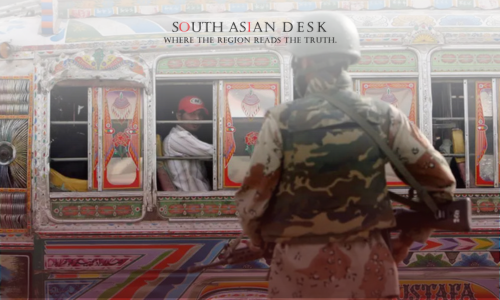
On July 11, 2025, nine Punjabi passengers were abducted and killed in a brutal ambush on two buses traveling from Quetta to Punjab through Balochistan’s Zhob and Loralai districts. According to officials, armed assailants intercepted the vehicles near the Sur-Dakai area along the N-70 highway, checked passengers’ identity cards, and forcibly removed individuals with Punjab addresses before executing them in a nearby mountainous area. The bodies, bearing multiple bullet wounds, were later recovered by authorities.
This attack echoes a disturbing pattern of targeted ethnic violence in Balochistan, where separatist groups have long accused the Punjabi community of political and military dominance. Although no group has formally claimed responsibility, President Asif Ali Zardari publicly blamed the Baloch Liberation Army (BLA) — a banned insurgent group that has conducted similar attacks in the past, including the killing of seven Punjabi passengers in February 2025.
The incident sparked widespread outrage online, with users on X (formerly Twitter) mourning the victims and demanding accountability. Some posts also referenced simultaneous insurgent activity — including attacks on security checkpoints and infrastructure in Quetta, Loralai, and Mastung — although these were reportedly thwarted by Pakistani forces without further casualties.
Balochistan, Pakistan’s largest but least developed province, remains a hotspot of insurgency due to long-standing grievances over political marginalization and resource exploitation. The region’s strategic importance has grown under the China-Pakistan Economic Corridor (CPEC), further intensifying tensions between local groups and the central government.
As security operations intensify in response to the attack, authorities have pledged to pursue those responsible. However, the persistent threat of ethnic violence and separatist unrest continues to challenge stability and governance in the province.
Published in SouthAsianDesk, July 11th, 2025
Follow SouthAsianDesk on X, Instagram and Facebook for insights on business and current affairs from across South Asia.