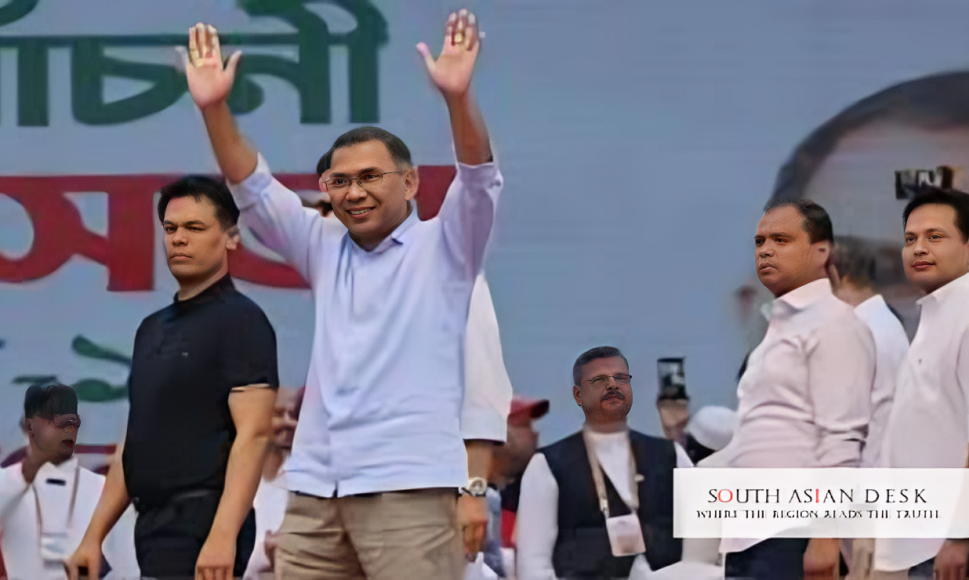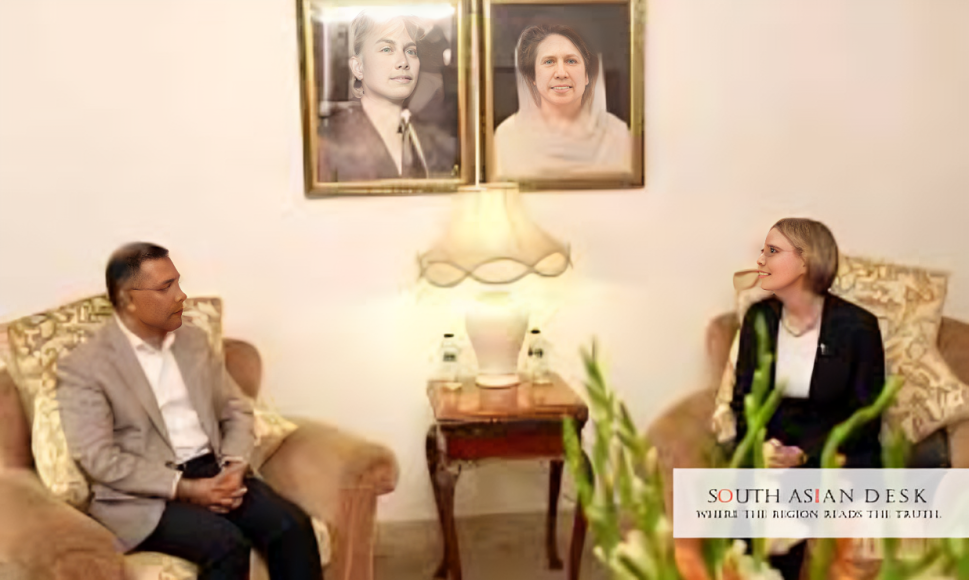
Tarique Rahman, acting chairman of the Bangladesh Nationalist Party (BNP), met British High Commissioner Sarah Cooke on Saturday, 17 January 2026, at the BNP office in Gulshan, Dhaka. The discussion focused on Bangladesh’s electoral process, with Cooke reiterating the UK’s commitment to free, fair, credible and peaceful elections. She also extended condolences for the recent death of former Prime Minister Begum Khaleda Zia.
The meeting underscores the UK’s role in promoting democratic stability in Bangladesh as the country approaches its next national elections. Such diplomatic engagements highlight international interest in ensuring transparent polls, which could influence regional dynamics in South Asia where political transitions often affect cross-border relations and economic ties.
British High Commissioner Meeting Highlights
During the British High Commissioner meeting, Sarah Cooke conveyed the UK’s position on elections. According to the British High Commission, the envoy stressed the need for processes that allow Bangladeshis to exercise their democratic rights without interference. Participants included BNP Secretary General Mirza Fakhrul Islam Alamgir, Standing Committee Member Amir Khasru Mahmud Chowdhury, Joint Secretary General Humayun Kabir and Mahdi Amin.
The session lasted approximately 45 minutes. No specific agreements were announced, but the dialogue aligns with prior UK interactions with Bangladeshi political entities. This British High Commissioner meeting comes at a time when opposition parties like BNP seek global backing to address domestic challenges.
Tarique Rahman, who has led BNP since his mother’s incarceration and subsequent health decline, used the opportunity to discuss party priorities. BNP sources indicate the conversation touched on electoral reforms, though details remain limited. The UK’s involvement reflects broader Western efforts to support inclusive governance in South Asia, where Bangladesh’s stability impacts neighbours like India and Myanmar.
Bangladesh Election Update
In the context of this British High Commissioner meeting, attention turns to the Bangladesh election update. The next polls are scheduled for 2028, following the controversial 2024 vote that saw Sheikh Hasina’s Awami League retain power amid opposition boycotts. BNP has called for interim government oversight to ensure neutrality, a demand echoed in international forums.
Recent data from the Election Commission shows voter registration at 120 million, up 5% from 2024. Turnout in the last election was 40%, marred by allegations of irregularities. The UK has provided GBP 10 million in aid for electoral training since 2023, aiming to bolster transparency. This Bangladesh election update gains urgency as parties mobilise, with BNP pushing for reforms to prevent repeats of past disputes.
Tarique Rahman’s engagement signals BNP diplomacy to garner support. The party, founded in 1978, holds 30% of parliamentary seats but boycotted recent sessions. Analysts note that international pressure could lead to concessions from the ruling government, potentially averting unrest.
BNP Diplomacy in Focus
BNP diplomacy has intensified under Tarique Rahman, with meetings involving envoys from the US, EU and now the UK. This British High Commissioner meeting fits a pattern of outreach to counter perceived biases in domestic politics. BNP aims to highlight human rights concerns, including over 500 arrests of activists in 2025, per official records.
Tarique Rahman, exiled in London since 2008, coordinates from abroad but maintains influence through virtual addresses. His leadership has revitalised BNP’s youth wing, boosting membership to 2 million. This BNP diplomacy seeks to align with global standards on democracy, pressuring Dhaka for fair play.
The meeting also addressed economic ties. UK-Bangladesh trade reached GBP 4 billion in 2025, with textiles dominating. Diplomatic talks often link aid to governance improvements, as seen in the UK’s 2024 suspension of certain funds over rights issues.
Background on Tarique Rahman and BNP
Tarique Rahman assumed BNP leadership after Begum Khaleda Zia’s 2018 conviction on corruption charges, which the party deems politically motivated. Khaleda Zia, who served as prime minister from 1991-1996 and 2001-2006, died on 10 January 2026, at age 80. Her death has unified opposition ranks, with funerals drawing 1 million attendees in Dhaka.
BNP, a centre-right party, advocates free markets and nationalism. It governed Bangladesh for 15 years post-independence, implementing key reforms like the caretaker government system abolished in 2011. Tarique Rahman’s strategy emphasises digital campaigning, reaching 5 million followers online.
The British High Commissioner meeting occurs amid heightened scrutiny. In 2025, the UN Human Rights Council urged Bangladesh to protect opposition voices, citing 200 cases of enforced disappearances. BNP diplomacy leverages such reports to build coalitions.
Bangladesh’s geopolitical position amplifies the stakes. Bordering India and near China, its elections affect regional security. The UK’s interest stems from its diaspora community of 500000 Bangladeshis, influencing remittances worth GBP 2 billion annually.
What’s Next for Elections and Diplomacy
Looking ahead, Tarique Rahman may engage more envoys as the Bangladesh election update progresses. The Election Commission plans stakeholder consultations in February 2026, potentially including BNP input. If reforms falter, boycotts could recur, risking instability.
The UK has signalled continued monitoring, with possible observer missions for 2028. BNP diplomacy might extend to multilateral bodies like the Commonwealth, where Bangladesh holds membership.
Tarique Rahman remains central to opposition efforts, guiding BNP towards reclaiming influence in upcoming polls.
Published in SouthAsianDesk, January 18th, 2026
Follow SouthAsianDesk on X, Instagram and Facebook for insights on business and current affairs from across South Asia.