Heavy rains and upstream flows push Teesta waters to alarming levels, prompting full gate openings and flood alerts in northern Bangladesh.
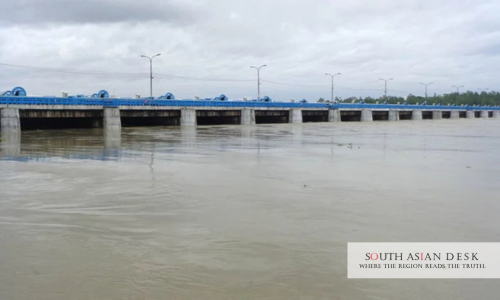
On Monday, September 15, 2025, in Lalmonirhat district, Bangladesh, the Teesta river at Dalia point near Teesta Barrage flowed 3 centimetres above the danger mark at 52.18 metres due to persistent rainfall and onrush from upstream, leading authorities to open all 44 sluice gates to manage the swell.
Why It Matters
The recurrent flooding at Teesta Barrage highlights vulnerabilities in South Asia’s shared river systems, where climate-driven rains exacerbate risks to agriculture and livelihoods, potentially straining cross-border water relations between Bangladesh and India.
Teesta Barrage Crisis: River Above Danger Mark Triggers Alerts
The Teesta river’s water level at Dalia point, the key monitoring station for Teesta Barrage, rose rapidly overnight, crossing the danger threshold of 52.15 metres by 3 centimetres as recorded at 6:00 AM. This marks the latest episode in a series of flood events plaguing northern Bangladesh this monsoon season. Officials from the Bangladesh Water Development Board (BWDB) attributed the surge to heavy local rainfall and increased flows from upstream regions in India, where the river originates.
In response, all 44 sluice gates at Teesta Barrage—the country’s largest irrigation structure located in Nilphamari district—were fully opened to release excess water and prevent structural damage. Nurul Islam, in charge of the Teesta Barrage control room, stated: “People living along the riverbank have been asked to remain alert.” This measure aims to mitigate immediate threats, but residents in low-lying areas remain on edge as the river continues to flow above the danger mark.
Shunil Kumar, executive engineer of the Water Development Board in Lalmonirhat, added: “The water is rising rapidly due to rain and upstream flow, and we are closely monitoring the situation and advising residents to stay cautious.” The BWDB’s actions underscore the ongoing challenges in managing the Teesta, a transboundary river that supports irrigation for vast agricultural lands but frequently exceeds danger marks during monsoons.
Impacts of Teesta Above Danger Mark on Local Communities
Low-lying and char areas across Lalmonirhat, Rangpur, Kurigram, Nilphamari, and Gaibandha districts face imminent inundation as the Teesta flows above the danger mark. Specific unions at risk include Goddimari, Dowani, Chhoyani, Sanyajan, Singimari, Sindurna, Holdibari, and Dawabari in Patgram upazila; Votmari, Shailmari, and Nohali in Kaliganj upazila; Mohishkhocha, Gobardhan, Kalmati, Bahadurpara, and Palashi in Aditmari upazila; and Falimari, Khuniyagachh, Kulaghat, Moghalhat, Rajpur, Barobari, and Gokunda in Sadar upazila.
Farmers, already reeling from three rounds of flooding in August 2025 that devastated early paddy crops, now fear further losses. Many had recently transplanted Aman rice seedlings, only to see them threatened by the current swell above the danger mark at Teesta Barrage. The agricultural sector, crucial to the region’s economy, could suffer damages estimated in the millions of BDT, though exact figures await assessment.
Residents in char areas, often isolated riverine islands, are particularly vulnerable. Previous floods this year displaced thousands and eroded land, compounding poverty in these communities. The Teesta’s propensity to flow above danger mark has led to calls for improved early warning systems and infrastructure reinforcements.
Background
Teesta Barrage, completed in 1990, spans 615 metres and irrigates over 111,000 hectares in northern Bangladesh. The river, originating in the Himalayas, flows 315 kilometres through India and Bangladesh, making it a focal point for bilateral water-sharing disputes. In recent years, climate change has intensified monsoon patterns, causing the Teesta to breach danger marks more frequently—evident in August 2025 floods that affected over 100,000 people and submerged vast farmlands.
Historical data from the Flood Forecasting and Warning Centre (FFWC) shows the river at Dalia point exceeding danger levels multiple times annually, with peaks during July to September. This year’s events, including surges on August 3, August 13, and August 14, 2025, where levels reached up to 52.30 metres (15 centimetres above danger mark), have strained resources. International aid has been mobilised in past instances, but local authorities emphasise the need for sustainable river management.
The shared nature of the Teesta has sparked diplomatic talks, with Bangladesh seeking equitable water allocation from India to prevent downstream crises. However, unresolved treaties continue to hinder progress, leaving communities exposed when the river flows above danger mark.
What’s Next
As monitoring continues, the FFWC forecasts potential further rises in Teesta water levels over the next 24 hours, which may keep the river above danger mark and inundate more areas. Authorities urge vigilance, with relief preparations underway should flooding worsen at Teesta Barrage.
Published in SouthAsianDesk, September 15th, 2025
Follow SouthAsianDesk on X, Instagram, and Facebook for insights on business and current affairs from across South Asia.