Iran hosts a key regional gathering on Afghanistan tomorrow, but the Taliban will skip the event despite an invitation. The move highlights deepening Afghanistan Pakistan tensions as neighbours seek dialogue.
Iran’s Foreign Ministry confirmed preparations for the Tehran Afghanistan meeting, set for 15 December in Tehran. Special representatives from Pakistan, Tajikistan, Uzbekistan, Turkmenistan, China and Russia will attend. The agenda centres on Afghanistan’s stability and easing cross-border frictions.
This fourth Iran-led initiative underscores Tehran’s push for regional cooperation. Past rounds, held twice in Tehran and once in Kabul, yielded limited progress on core issues. The absence of Taliban delegates risks sidelining direct Afghan input, yet Iran presses ahead to foster understanding.
Taliban Rejects Tehran Invitation
The Islamic Emirate of Afghanistan received the formal Taliban Tehran invitation last week. Zia Ahmad Takal, deputy spokesperson for the Taliban’s Ministry of Foreign Affairs, announced the decision to decline. “The Islamic Emirate maintains active and ongoing relations with all regional countries through organisations, formats and bilateral mechanisms,” Takal stated. “It has made significant practical progress in expanding mutual understanding and regional cooperation.”
Takal added that the ministry views existing channels as sufficient for dialogue. The choice reflects frustration with prior gatherings, according to analysts. Political expert Samiullah Ahmadzai noted, “The Islamic Emirate’s decision not to participate may suggest that previous meetings yielded no positive outcomes.”
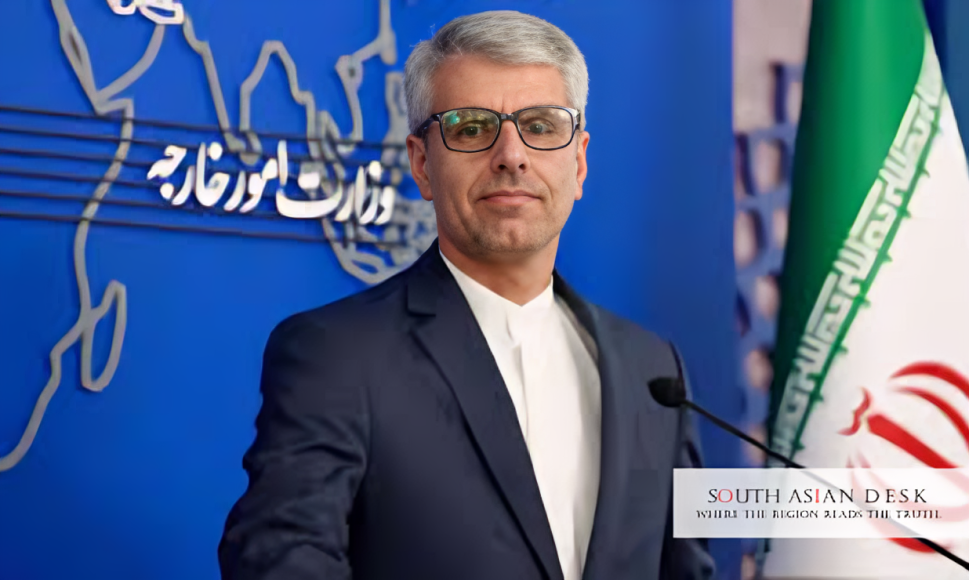
Iran extended the Taliban Tehran invitation amid its broader diplomatic outreach. Esmaeil Baqaei, spokesperson for Iran’s Foreign Ministry, detailed the effort in a recent briefing. “The Islamic Republic of Iran attaches fundamental importance to security and stability in its neighbourhood,” Baqaei said. “In this regard, it spares no effort to reduce tensions among regional countries and to strengthen understanding between them.”
Baqaei confirmed consultations with Pakistan and Afghanistan preceded the Tehran Afghanistan meeting. The event stems from talks at various levels with neighbours and regional actors. Iran hopes it will curb escalating risks, including terrorist activities along borders.
Afghanistan Pakistan Tensions Fuel Urgency
Afghanistan Pakistan tensions dominate the backdrop for the Iran Afghanistan summit. Relations hit a nadir in October 2025 after a week-long border clash. Pakistan launched airstrikes on alleged militant hideouts in Afghanistan, killing at least 45 people, including civilians. The Taliban condemned the action as a violation of sovereignty.
A fragile ceasefire followed in Doha, brokered by Qatar. Yet, core disputes persist. Pakistan accuses the Taliban of harbouring Tehreek-e-Taliban Pakistan (TTP) fighters, who launch attacks from Afghan soil. Islamabad demands written guarantees to prevent such use. The Taliban denies sheltering the group and counters with claims of Pakistani incursions.
Two rounds of direct talks in Istanbul and one in Saudi Arabia failed to yield a lasting pact. Iran’s Foreign Minister Abbas Araghchi highlighted this stalemate. “Tehran is working to convene the meeting after two rounds of unsuccessful talks between the Taliban and Pakistan in Istanbul,” Araghchi said. Iran positions itself as a mediator, promoting stability and reconciliation.
The Tehran Afghanistan meeting agenda explicitly targets these frictions. Baqaei emphasised Iran’s concerns over terrorist groups in Afghanistan. He called for an inclusive national government to avert wider conflict. Participants will exchange views on developments, with a focus on de-escalation.
Regional powers see the Iran Afghanistan summit as a test of multilateral resolve. China and Russia, key Taliban backers, send envoys. Pakistan’s attendance signals willingness to engage, despite bilateral strains. Uzbekistan and Turkmenistan, sharing borders, prioritise trade routes disrupted by unrest.
Background on Regional Efforts
Iran launched these forums in 2023 to fill a vacuum left by stalled UN-led processes. The first Tehran Afghanistan meeting drew pledges on counter-terrorism but faltered on enforcement. Kabul’s 2024 edition included Taliban observers, yet implementation lagged.
Afghanistan Pakistan tensions trace to the Taliban’s 2021 takeover. Cross-border incidents surged, with TTP attacks in Pakistan killing over 200 in 2025 alone. Data from Pakistan’s Interior Ministry reports 1,200 TTP-linked deaths this year. The Taliban claims similar losses from Pakistani shelling.
Iran’s stake grows from water disputes and refugee flows. Over 5 million Afghans live in Iran, straining resources. Tehran views stability as essential for its eastern flank. The current Tehran Afghanistan meeting builds on November consultations, where Baqaei flagged rising militancy.
Analyst Wais Naseri stressed the stakes. “Discussions on Afghanistan’s issues and cooperation with the Afghan people are of particular importance, as influential regional countries will gather in this meeting,” he said.
What’s Next for the Iran Afghanistan Summit
The Tehran Afghanistan meeting concludes with a joint communique, expected to outline confidence-building steps. Iran anticipates follow-up bilateral talks, possibly in early 2026. Pakistan’s special envoy may push for Taliban commitments on TTP.
If successful, the Iran Afghanistan summit could revive stalled trilateral formats with China. Failure risks further isolation for the Taliban, amplifying Afghanistan Pakistan tensions. Regional actors watch closely, as spillover threats economic corridors like the China-Pakistan Economic Corridor.
In the end, the Tehran Afghanistan meeting tests whether dialogue can outpace discord in South Asia’s volatile heart.
Published in SouthAsianDesk, December 14th, 2025
Follow SouthAsianDesk on X, Instagram, and Facebook for insights on business and current affairs from across South Asia.